正在加载视频...

视频加载失败

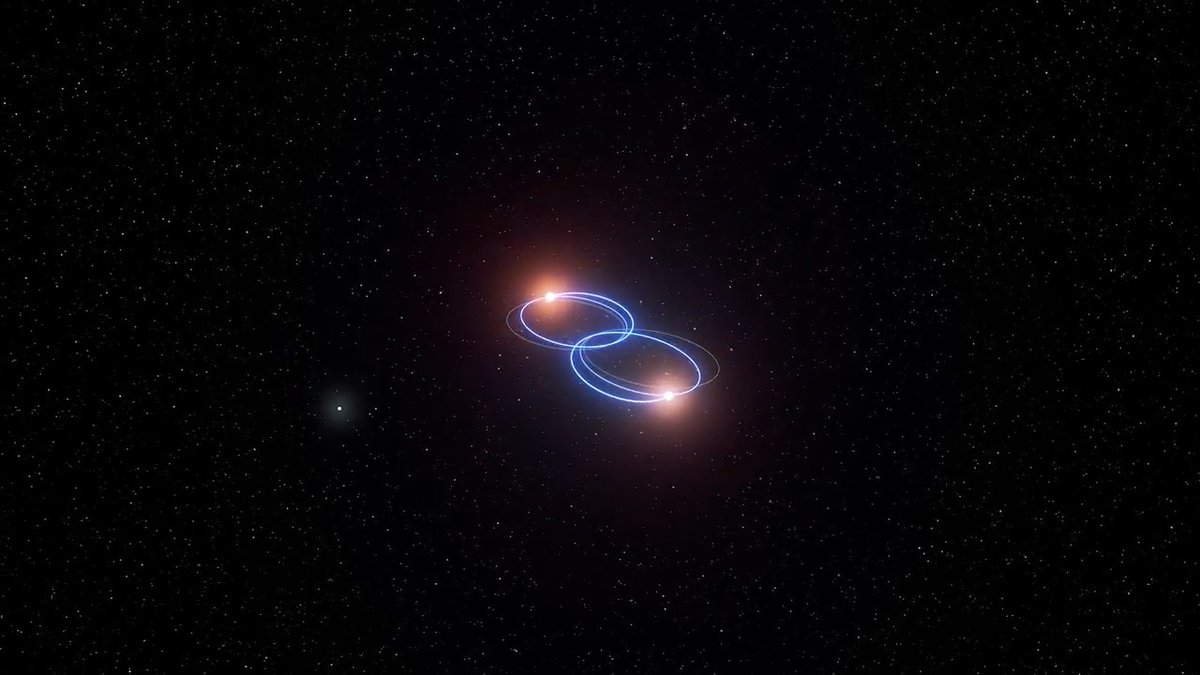
Orbiting Three Suns Imagine a planet orbiting not one, but three stars at once. This isn't science fiction, but a reality for exoplanets in triple-star systems. The motion of such a planet would be incredibly complex, with constantly changing gravitational fields. Its "year" could be unpredictable, and its landscape...

16,761 次观看 • 3 个月前 •via X (Twitter)

0 条评论

暂无评论

原始帖子的评论将显示在这里

相关视频
In the world of engraved (or relief) art, the closest visual analogue to a “triple entendre” is what you might call a threefold allegory (sometimes glossed as “triple allegory” or “triadic iconography”). Allegory in art is the vehicle by which an image carries a second, symbolic meaning beyond its literal subject. A threefold allegory deliberately layers three distinct readings—perhaps a literal narrative, a moral lesson and a spiritual (anagogical) message—all carved into a single composition. When rendered in relief (or engraving), each “layer” of meaning can even be hinted at through physical depth: a deeply cut foreground for the “surface” story, a shallower middle plane for the moral, and the most subtle incisions at the back for the transcendent or spiritual sense. So, just as a triple entendre toys with three levels of verbal meaning, a threefold allegorical relief toys with three levels of visual–symbolic meaning. You’ll often see art historians refer to such works under headings like: Triadic iconography (three interconnected symbols each pointing to a separate interpretive layer) Triple allegory (a piece that consciously embeds three tiers of meaning) Threefold allegory in relief (emphasizing both the medium—relief/engraving—and the triadic structure) Any of those phrases will alert a viewer that they’re not just looking at a “pretty picture,” but at a carved text that needs to be “read” on three different levels—precisely the visual equivalent of a triple entendre.

Billy Carson II

26,411 次观看 • 1 年前