正在加载视频...
视频加载失败
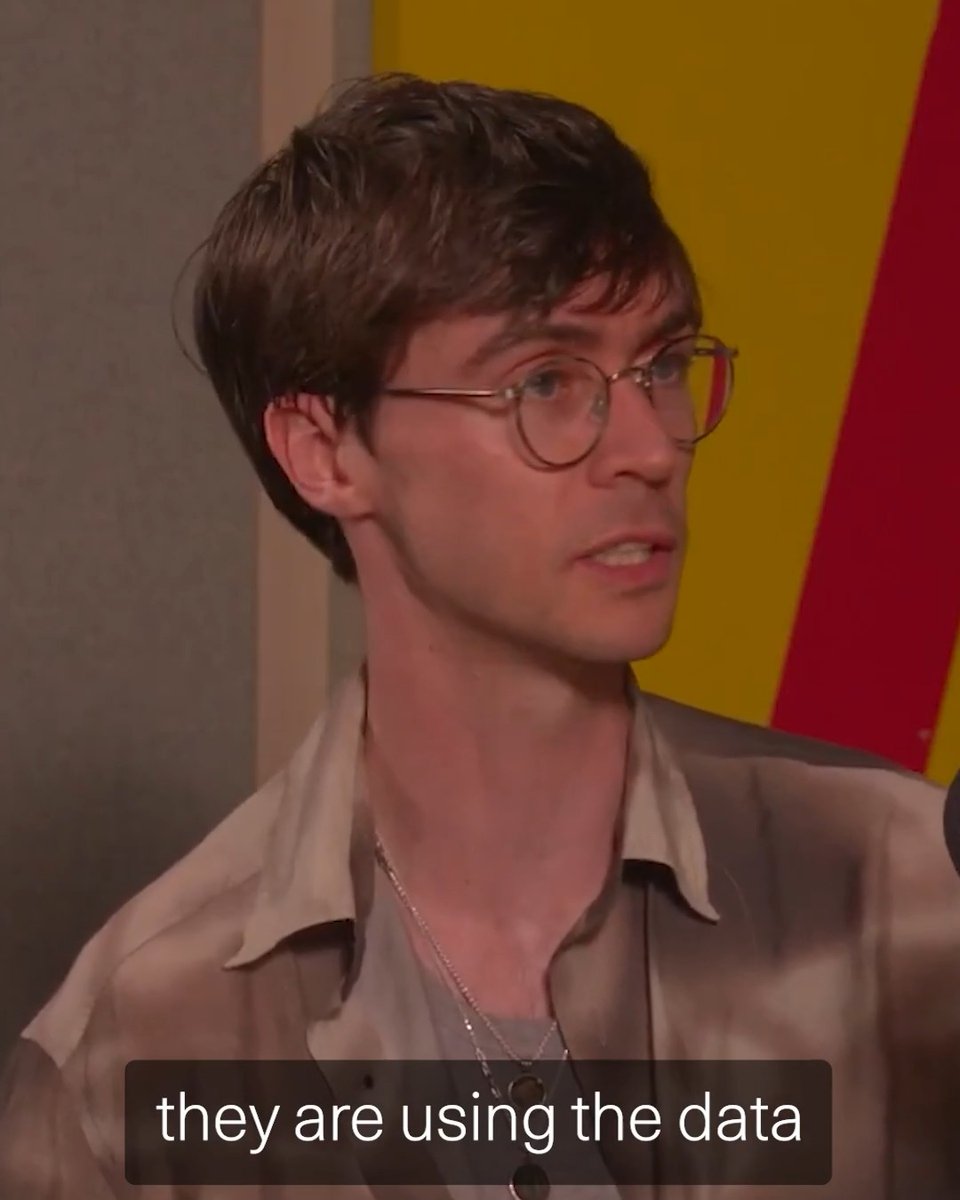
Our infra lets us steer trillion-parameter frontier models in real time: - live, mid-CoT edits to internal activations - directly altering how the model reasons (not just outputs) - stackable edits - no added latency We can make models more Gen Z, more concise, etc.

29,647 次观看 • 9 个月前 •via X (Twitter)
7 条评论

Goodfire9 个月前
Thanks for having us @gopalkraman @spc!

Keate Pulse8 个月前
Exciting developments at @GoodfireAI! Real-time steering of AI models opens up new possibilities, especially in improving responsiveness and control. These innovations could redefine user interaction with AI systems! 🤖

Himanshu Kumar9 个月前
The system allows for live modification of internal activations with zero added latency.

Min Chon Chi9 个月前
Directly altering how the model reasons seems very powerful.

justin curl9 个月前
So cool!! how do these steering features interact with jailbreak resilience? I.e., if you steer it towards a feature that's inconsistent with safeguards, does it make it easier to jailbreak?

Veeraraju Elluru9 个月前
This is so good!

BuBxPrivacy 🌊 RIVER|.edge🦭9 个月前
这是真的在改脑子啊
相关视频





1:09
Sensitive content
We are opening up the beta of our new AI writing tool to Exclusive Models. If you're exclusive to JFF, try it out and let us know your thoughts. At our Anniversary Conference, lots of models said they needed help making their posts more creative. This is a tool to help models take what they write and help them make better posts. Does this replace a human? No! In fact, if you are an erotic writer, apply to be in our Business Directory so models can hire you to help them out!
JustForFans
15,642 次观看 • 3 年前
