Загрузка видео...
Не удалось загрузить видео
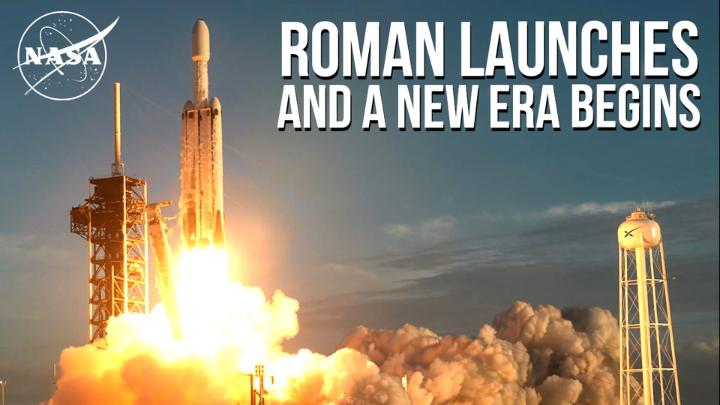
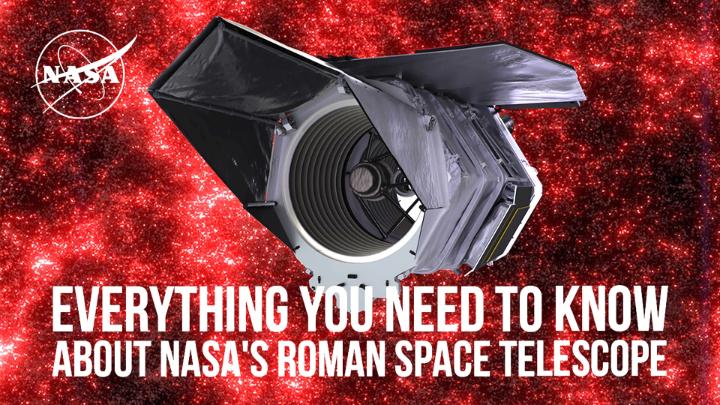
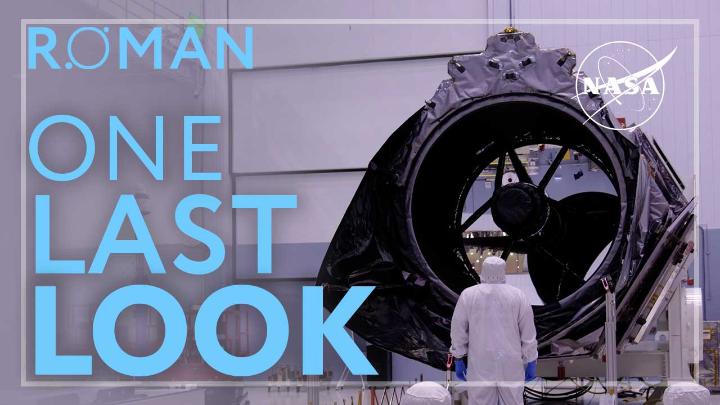
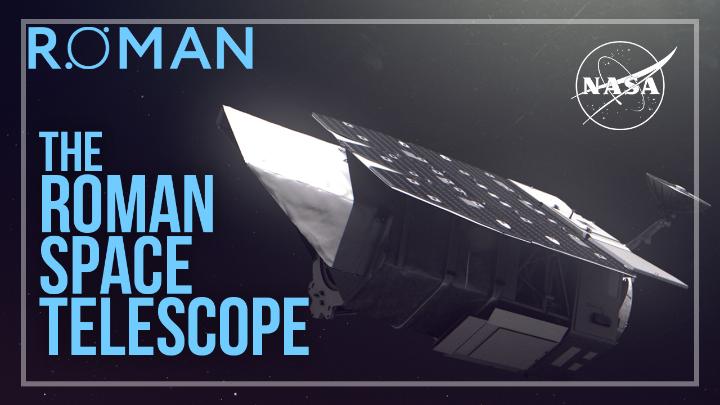
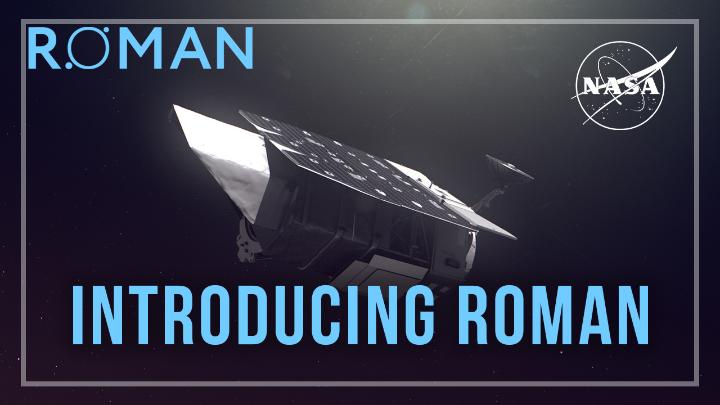
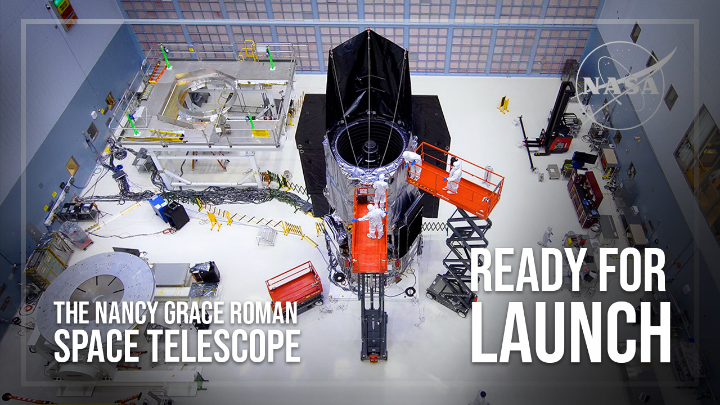
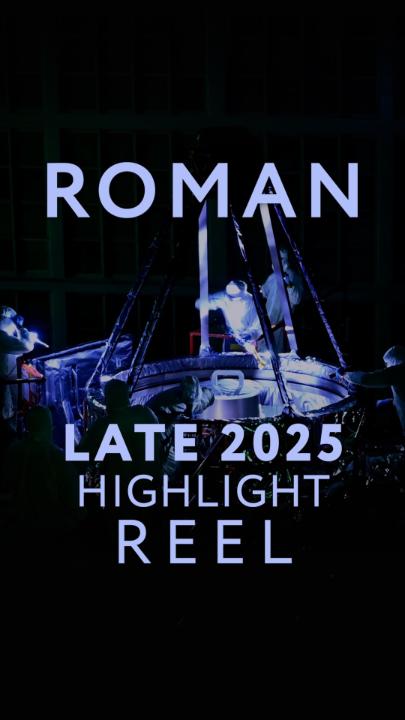
Our next space telescope is launching in just under two weeks! In the first episode of our NASA's Curious Universe podcast series on Nancy Grace Roman Space Telescope, we get to know the telescope's namesake and what cosmic mysteries it will help us to unravel.

1,222,967 просмотров • 1 месяц назад •via X (Twitter)
Комментарии: 36

@NASARoman Name it Jimothy

@NASARoman 🤣

@NASARoman the sketch on that thumbnail already looks more organized than my entire week

@NASARoman I think it's wonderful. The universe is a fantastic place.

@NASARoman What’s up with James Webb? Seems as though it’s forgotten about …

@NASARoman Why is there no hype like there is for other telescopes such as James Webb?

@NASARoman More science missions and less unnecessary geopolitic human exploration

We are living in an era where raw space data dictates the next century of physics. The billionaires get the media flash, but NASA is building the actual map of the galaxy. Privatized space flights are a circus, government-funded deep space mapping is the only reality that matters.

@NASARoman nancy grace roman deserves way more flowers than she gets honestly the woman basically fought for hubble to exist and now shes got a telescope hunting dark energy named after her thats the kind of legacy that actually means something

@NASARoman roman is a gorgeous name for a space telescope and i am here for the podcast with the namesake. what mysteries are you most excited to find?

@NASARoman .

@NASARoman The Nancy-Grey Roman space telescope launching soon reminds me that my planet I discover can hopefully be in view. Dark matters gravitational pull can hopefully be in view by the evaporation remnants of supermassive black holes from a previous universe

@NASARoman Two weeks. This telescope could redefine how we map dark energy and exoplanets. Namesake stories aside, the data will be the real conversation starter.

@NASARoman All fraud story ;) Nasa Classic

@NASARoman NASA. Our next space telescope is launching in just under two weeks.

@NASARoman An aerospace tech expo and air show at Kennedy sounds like a must-attend. Looking forward to seeing the latest hardware and capabilities on display in November.

@NASARoman The next great chapter in space exploration is almost here. NASA’s Roman Space Telescope will help us uncover cosmic mysteries we’ve never seen before. 🚀🔭

@NASARoman Can't wait to see the launch! 🚀✨" "Counting down the days! So excited for the Roman Space Telescope!"

@NASARoman Space is fake. There's nowhere to go

@NASARoman What spectrum of light does it see in? How does it compare to Hubble and James Webb?

@NASARoman Roman’s vision spans from near-infrared to some visible light, whereas Hubble sees near-infrared to ultraviolet and Webb sees near-infrared to mid-infrared. Each telescope has its own unique perspective and strengths in helping us better understand our universe!

@NASARoman Our next space telescope is launching in just under two weeks! In the first episode of our NASA's Curious Universe podcast series on @NASARoman, we get to know the telescope's namesake and what cosmic mysteries it will help us to unravel.

@NASARoman Flying in what you call Space but absolutely no ONE knows what it is. I find this hilarious.

@meiklhlChance @NASARoman 🖤

@NASARoman Let's go, NASA! 🚀 Can't wait for the launch.

@NASARoman I can’t wait

@NASARoman Hsjshhs

@NASARoman 🤔 Interesting to watch

@meiklhlChance @NASARoman 🖤

@NASARoman Hello ? Moonbase ? Any news ?

One of the coolest things about the Roman Space Telescope is that progress in astronomy is not always about simply seeing farther. Sometimes it is about seeing more. Roman’s wide-field view will allow astronomers to survey huge regions of the sky and build datasets that can reveal patterns individual observations might never expose. That opens another window into some enormous questions: How is the universe expanding? How is matter distributed across it? What role does dark matter play? And how common are planetary systems beyond our own? There is also something beautifully human about building an instrument whose purpose is essentially to investigate things we already know we do not fully understand. We built telescopes because looking up wasn't enough. Then we built better telescopes because the answers created better questions. That may be one of science’s greatest strengths: every time humanity sees farther, the universe gives us another reason to keep looking. Godspeed, Roman. 🚀 From one Houston-built mission of curiosity to another, we’ll be watching closely. We’re building USAI Media in Houston, in public. If you believe this kind of intelligent analysis deserves to grow, support us.

@NASARoman Thanks
@NASARoman Gksjshv

@NASARoman Dark ENERGY doesn’t exist.. So spending billions to find it is a fool’s errand!!! Dark energy was a lazy placeholder name given to the opposing side of Dark MATTER!! 😂😂😂😂😂😂😂😂😂😂😂

@NASARoman Sounds pretty cool

@NASARoman thank you NASA! Stay warm! or cool, whichever.