Загрузка видео...

Не удалось загрузить видео

На главную

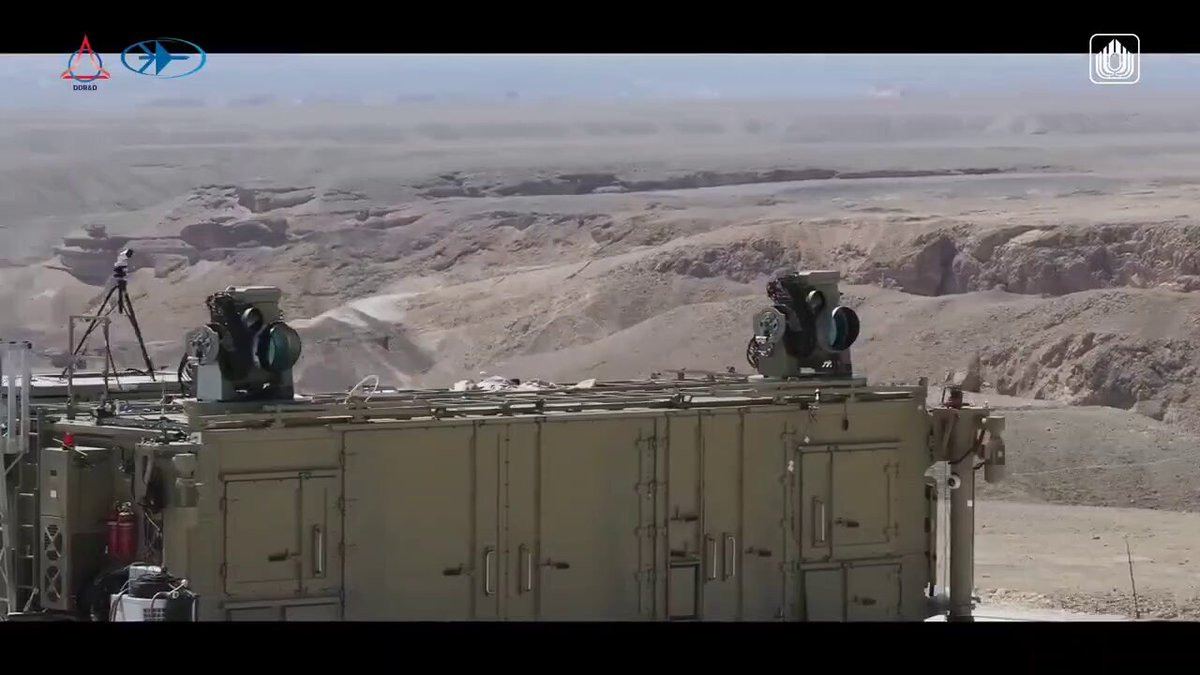
🇵🇰Pakistan Air Force's stellar defense! ✅Robust air defense system shielded borders from Indian missile attacks ✅Swift response neutralized threats, saving lives. ✅Air Vice Marshal Aurangzeb Ahmed's briefing showcased PAF's readiness Kudos to PAF's precision & strength!

32,473 просмотров • 1 год назад •via X (Twitter)

Комментарии: 10

Фото профиля Mitesh
Mitesh1 год назад

Tunara Army Chutiya bana Raha he without proof ke 😭😂

Фото профиля Harshit Singh
Harshit Singh1 год назад

Bruhhhhh 😭😭😭😭😭😭🤣🤣🤣🤣🤣🤣🤣🤣🤣🤣🤣🤣🤣 visuals aur proof de gaandu 😭😭😭😭😭😭 himmat dikha puri duniya k saamne visual n pictures laa k rkh humari tarah ye kya namardon jese bakwas krra bs 🤣🤣🤣🤣

Фото профиля ABHISHEK YADAV
ABHISHEK YADAV1 год назад

Jaise Pakistan ke log pagal hain waise uski force🤣🤣🤣

Фото профиля SecBriefs | Making Cybersecurity Simple
SecBriefs | Making Cybersecurity Simple1 год назад

😱The cybersecurity skills gap is a national security risk. Many public & private orgs struggle to defend against cyberattacks due to understaffed security teams.🚨 🧠Learn cybersecurity - get a well paid, in demand job! Start your journey here:

Фото профиля Perfect Flawedd
Perfect Flawedd1 год назад

😂😂😂😂😂😂😂

Фото профиля Tahir
Tahir1 год назад

Looking st the comments from bindians It clearly shows their head are full for cow gobar and mutar. When they dont even understand how radar works

Фото профиля EaglEEyE
EaglEEyE1 год назад

What buffoonery is this? Animation and graphics presentation 🤣🤣🤣🤣

Фото профиля Skill Zag
Skill Zag1 год назад

Where is evidence? It’s a Graphical Video!!!! Anyone can plot it… what a cap!!!! Come out of such comedy in front of the world!!!! It’s full of comedy with some imagery plots to fool its own country and citizens!!!! Chutiya ho tumlog…

Фото профиля jhasunil99
jhasunil991 год назад

Ary yaar iske army kaise chutiya bana rha hai or ye log v chutiye ban rhe hai

Фото профиля ABHISHEK YADAV
ABHISHEK YADAV1 год назад

Janaje kiske hain fir Pakistan toh khud videos hain
Похожие видео

President of the Islamic Republic of Pakistan, Asif Ali Zardari, called on Air Chief Marshal Zaheer Ahmed Baber Sidhu, Chief of the Air Staff, #Pakistan Air Force during a visit to Air Headquarters Islamabad #IranIsraelConflict #Iran #ISPR President Asif Ali Zardari has acknowledged the pivotal and decisive role played by PAF in safeguarding the sovereignty and territorial integrity of Pakistan during the recent conflict with India, which culminated in a historic and resolute victory. He expressed these views during a visit to the Air Headquarters in Islamabad on Tuesday, where he held a meeting with Chief of the Air Staff, Air Chief Marshal Zaheer Ahmed Baber Sidhu. During the meeting, the President expressed profound appreciation for the exemplary professionalism, unwavering commitment and indomitable spirit demonstrated by the personnel of Pakistan Air Force. He also lauded the leadership of Air Chief Marshal Zaheer Ahmed Baber Sidhu, recognizing his role in modernizing PAF and swiftly integrating advanced technologies that have significantly enhanced operational readiness of Pakistan Air Force and have recalibrated the region's deterrence landscape. The President highlighted that the bold and visionary leadership of Pakistan Armed Forces enabled Pakistan to deliver a firm and timely response to Indian aggression, ensuring the Air Force remains at the forefront of technological and strategic advancement. Asif Ali Zardari also expressed his satisfaction over PAF's combat readiness and reiterated an all-out support from the Government of Pakistan-to-Pakistan Air Force in its pursuit of excellence. On his part, the Chief of the Air Staff shared insight into various ongoing modernization projects of Pakistan Air Force's operational construct, force goals and plans for the force structure with a keen focus on future warfare. In the recent standoff against India, he attributed PAF's success to the matchless training, smart inductions, seamless operational readiness and a homegrown kill chain sharpened by the mastery of modern warfare. The Air Chief highlighted that for the first time in its history, Pakistan Air Force conducted Full Spectrum Operations during the recent conflict, employing multi-domain warfare capabilities. This included the integration of Space, Cyber and Electronic Warfare, alongside the strategic application of niche and disruptive technologies, which collectively generated decisive effects that significantly contributed to Pakistan's victory over India. The visit of President Asif Ali Zardari to Air Headquarters Islamabad was aimed at boosting the morale of PAF following its resounding success in defending the aerial frontiers of Pakistan and delivering a decisive response to recent aggression from India. Upon his arrival, a smartly turned out contingent of Pakistan Air Force presented Guard of Honour to the President.

Pakistan Armed Forces News 🇵🇰

59,381 просмотров • 1 год назад

🚨#ISPR Surface to Air Missile Rawalpindi, 10 January, 2026 #Pakistan Navy demonstrated its operational readiness and combat preparedness through a comprehensive exercise in the North Arabian Sea, showcasing both conventional and unmanned capabilities, as per dictates of evolving naval warfare. The exercise included the successful live firing of LY-80(N) Surface to Air Missile (SAM) from Vertical Launching System at extended range, validating the long-range capabilities of Pakistan Navy's modern air defence systems. LY-80(N) SAM successfully engaged and neutralized an aerial target, demonstrating Pakistan Navy's robust air defence capabilities. The exercise also featured the successful engagement of surface targets using Loitering Munition (LM), demonstrating Pakistan Navy's precision strike capabilities. Loitering Munition (LM) successfully engaged and destroyed surface targets, showcasing its effectiveness in modern naval warfare. Successful open-sea trials of Unmanned Surface Vessel (USV) were also conducted, marking a significant leap in autonomous naval technology. The trials validated the platform’s ability to combine high-speed performance with mission-critical durability. Key capabilities demonstrated include extreme maneuverability, precision navigation and weather resilience. USV offers a low-risk, high-impact solution with the stealth of a tactical interceptor. Commander Pakistan Fleet witnessed the exercise, which showcased Pakistan Navy's ability to employ advanced systems. Admiral Naveed Ashraf, NI, NI (M), T Bt, Chief of the Naval Staff, commended officers and men of Pakistan Navy for their professionalism and operational competence. He reaffirmed Pakistan Navy's resolve to ensure seaward defence of Pakistan and safeguard national maritime interests under all circumstances.

Pakistan Armed Forces News 🇵🇰

13,150 просмотров • 6 месяцев назад

Pakistan military continued with its provocations, carrying out aggressive actions employing multiple threat vectors all along the western border. Pakistan employed UCAVs (Unmanned Combat Aerial Vehicles) drones, long-range weapons, loitering munitions, and fighter aircraft to target civilian areas and military infrastructure. Pakistan military also resorted to air intrusions using drones and firing of heavy-caliber weapons along the Line of Control. Along the international border and the Line of Control, air intrusions and several harassment attacks were also attempted from Srinagar to Naliya at more than 26 locations. Indian Armed Forces successfully neutralized these threats and the majority of the vectors. However, limited damage was sustained to equipment and personnel at Indian air stations at Udhampur, Pathankot, Adampur, and Bhuj. There were also several high-speed missile attacks noticed subsequently after 01:40 hours in the night at several air bases in Punjab in a deplorable, cowardly act. Targeting of civilian infrastructure had also taken place, where Pakistan attacked the Medicare center and school premises at the airbases of Srinagar, Avantipur, and Udhampur, yet again displaying irresponsible targeting of our civil infrastructure. In a swift and calibrated response, the Indian Armed Forces carried out precision attacks only on identified military targets. These included technical infrastructure, command and control centres, radar sites, and weapon storage areas. Pakistan military targets at Rafiqui, Murid, Chaklala, Rahim Yar Khan, Sukkur, and Chunian were engaged using air-launched precision weapons from our fighter aircraft. Radar sites at Pasrur and Sialkot aviation base were also targeted using precision measures. While carrying out these responses, India ensured minimum collateral damage. Pakistan has also attempted to execute a continued malicious misinformation campaign which claims the destruction of India's S-400 system at Adampur, destruction of airfields at Suratgarh and Sirsa, BrahMos space at Nagrota, artillery positions, and Chandigarh Forward Ammunition Depot, with heavy damages to other military stations being propagated on social media. India unequivocally rejects these false narratives being spread by Pakistan. Along the Line of Control also, Pakistan has attempted multiple air intrusions using drones and conducted shelling using heavy-caliber artillery guns, targeting civilian infrastructure and killing some civilians. Heavy exchange of artillery mortars and small arms fire in Poonch, Kupwara, Baramulla, Rajouri, and Akhnoor sectors continued. Indian Army has responded effectively and proportionately, causing extensive damage to the Pakistan Army. Pak military has been observed to be moving their troops into forward areas, indicating offensive intent to further escalate the situation. Indian Armed Forces remain in a high state of operational readiness. All hostile actions have been effectively countered and responded to appropriately. Indian Armed Forces reiterate their commitment to non-escalation, provided it is reciprocated by the Pakistani military. : Wing Commander Vyomika Singh

Congress

58,927 просмотров • 1 год назад

On the intervening night of 8th and 9th May 2025, the Pakistan military carried out multiple violations of Indian airspace along the entire Western Border with an intent to target military infrastructure. The Pakistan military also resorted to firing heavy-calibre weapons along the LoC. Along the International Border and LoC, drone intrusions were attempted from Leh to Sir Creek at 36 locations with approximately 300-400 drones. The Indian Armed Forces brought down these drones using kinetic and non-kinetic means. The possible purpose of these large-scale aerial intrusions was to test AD systems and gather intelligence. Forensic examination of the drone debris is being undertaken. Preliminary reports suggest them to be of the Asisguard Songar drone of Turkey. Later in the night, an armed UAV of Pakistan attempted to target Bhatinda military station, which was detected and neutralized. In response to the Pakistani attack, armed drones were launched at four air defense sites in Pakistan. One of the drones was able to destroy an AD radar. Pakistan also carried out artillery shelling across the LoC using heavy-calibre artillery guns and armed drones at Sandhar, Uri, Poonch, Mendhar, Rajouri, Akhnoor and Udhampur in the Jammu and Kashmir area, which resulted in some losses and injuries to Indian Army personnel. The Pakistan Army also suffered major losses in Indian retaliatory fire. Additionally, Pakistan's irresponsible behaviour again came to the fore. Pakistan did not close its civil airspace, despite launching a failed unprovoked drone and missile attack on 7th May at 08:30 hrs in the evening. Pakistan is using civil airliners as a shield, knowing fully well that its attack on India would elicit a swift air defence response. This is not safe for the unsuspecting civil airliners, including the international flights which were flying near IB between India and Pakistan. The screenshot we just showed shows the data of the application FlightRadar24 during a high air defence alert situation in the Punjab sector. As you have seen, the airspace on the Indian side is absolutely devoid of civil air traffic due to our declared closure. However, there are civil airlines flying the air route between Karachi and Lahore. Amongst the other civil aircraft that you can see, we have highlighted an aircraft which is an Airbus A320 of Flynas Aviation, which originated from Dammam at 17:50 hrs and landed later at Lahore at 21:10 hrs in the night. The Indian Air Force demonstrated considerable restraint in its response, thus ensuring the safety of international civil carriers. : Wing Commander Vyomika Singh

Congress

37,602 просмотров • 1 год назад

#ISPR Rawalpindi, 15 May 2025 The Honourable Prime Minister of Pakistan, Mr. Muhammad Shehbaz Sharif, General Syed Asim Munir, NI (M), Chief of Army Staff (#COAS) and Chief of the Naval Staff, PM was accompanied by the Deputy Prime Minister and Foreign Minister, Minister of Defence, Minister of Planning & Development, Minister of Information, visited the Pakistan Air Force’s operational base at Kamra today. During the visit, the Prime Minister received a comprehensive briefing on the operational preparedness and combat capabilities of the Pakistan Air Force. He engaged with frontline personnel—including pilots, engineers, and technical staff and conveyed profound appreciation for their professionalism, precision, and steadfast dedication to national defence. Addressing the occasion, the Prime Minister stated: “In the wake of unprovoked aggression, Pakistan’s Armed Forces exhibited exemplary restraint, strategic foresight, and operational precision. Their swift and calibrated response not only neutralized the threat but also delivered a decisive blow to hostile military infrastructure—unequivocally reaffirming Pakistan’s unwavering resolve to safeguard its sovereignty and territorial integrity.” He further remarked: “The entire nation takes immense pride in the valour and vigilance of its Armed Forces. Under the capable stewardship of the Chief of Army Staff, our defenders have once again underscored that Pakistan’s security is inviolable, and any act of belligerence will be met with a forceful, resolute, and unforgiving response.” Highlighting the Pakistan Air Force’s operational success, the Prime Minister added: “Confirmation of successful downing of a sixth Indian aircraft on the night of 6/ 7 May, a Mirage-2000 near Pampore east of Srinagar, is further a testament to the PAF’s combat excellence and the unflinching resolve of our Armed Forces to protect the motherland at all costs.” He lauded the visionary leadership of Air Chief Marshal Zaheer Ahmed Baber Sidhu, acknowledging his pivotal role in modernizing the PAF and spearheading the seamless integration of advanced technologies that have significantly enhanced the Force’s operational capabilities. In a tribute to the airmen, the Prime Minister observed: “To our fearless pilots and dedicated air personnel—your courage and precision embody the indomitable spirit of Pakistan’s Armed Forces. You have stood resolute, upholding the sanctity of our skies and defending the sovereignty of our country with unwavering resolve.” Reaffirming the government’s and nation’s collective determination, the Prime Minister concluded: “Pakistan’s Armed Forces remain fully prepared and resolutely committed to defending every inch of our territory. Any aggression will be countered with a timely, proportionate, and decisive response. We stand united, vigilant, and unshakable for the m defence of our homeland.” Upon arrival, the Prime Minister was received by Air Chief Marshal Zaheer Ahmed Baber Sidhu, NI (M), Chief of the Air Staff,

Pakistan Armed Forces News 🇵🇰

15,821 просмотров • 1 год назад

The Superiority of Russia’s S-400 Missile Systems & Su-30MKI Fighter Jets Russia’s defense industry's pinnacle of technological prowess, with the S-400 Triumf missile system & Su-30MKI fighter jet exemplifying engineering & combat effectiveness. These systems, rooted in decades of innovation, demonstrate Russia’s ability to produce cutting-edge military hardware that rivals & surpasses, Western counterparts in performance, reliability & strategic versatility. S-400 Triumf, developed by Almaz-Antey, is regarded as the world’s most advanced air defense system. Its ability to neutralize a broad spectrum of aerial threats—ranging from stealth aircraft, cruise missiles to ballistic missiles—sets it apart. The system’s 48N6E3 missiles can engage targets at ranges up to 250 kms, while the 40N6E extends this reach to 400 kilometers, offering unparalleled coverage A radar suite capable of tracking up to 300 targets simultaneously, including low-observable stealth platforms, the S-400’s situational awareness is unmatched. Its integration of multiple missile types allows it to counter diverse threats, from low-flying drones to hypersonic weapons, ensuring layered defense The system’s mobility, with rapid deployment & redeployment capabilities, enhances its survivability in dynamic battlefields. Unlike Western systems like the Patriot PAC-3, which struggle with limited engagement ranges & higher costs, the S-400 offers superior cost-effectiveness & adaptability, making it a cornerstone of Russian & allied air defense strategies. Equally formidable is the Su-30MKI, a multirole fighter jet developed by Sukhoi & tailored for the Indian Air Force, showcasing Russia’s ability to deliver customized, high-performance platforms. Powered by twin AL-31FP turbofan engines with thrust-vectoring nozzles, the Su-30MKI achieves supermaneuverability, enabling it to execute complex aerobatic maneuvers like the Pugachev’s Cobra, which Western fighters like the F-35 cannot replicate Top speed of Mach 2 & operational range of 3,000 kms without refueling provide strategic flexibility. The jet’s avionics suite, integrating the Bars phased-array radar, allows detection of targets at 200 kilometers, giving it a decisive edge in beyond-visual-range combat The Su-30MKI’s arsenal, including R-77 air-to-air missiles & BrahMos supersonic cruise missiles, ensures dominance in both air superiority & ground-attack roles. The S-400 and Su-30MKI create a formidable defense-offense ecosystem S-400’s ability to protect airbases & strategic assets allows Su-30MKIs to operate with reduced risk, projecting power deep into contested airspace. This combination has been a game-changer for nations like India, which leverages these systems to counter regional threats effectively S-400’s export to countries like China & Turkey underscores its global demand, driven by its proven reliability & resistance to electronic countermeasures, unlike Western systems that often rely on untested stealth countermeasures Critics of Western systems often highlight their high costs & limited adaptability. For instance, the F-35’s exorbitant price tag & maintenance issues pale in comparison to the Su-30MKI’s cost-efficiency & combat-proven track record. Similarly, the S-400’s ability to integrate with legacy systems gives it an edge over the Patriot’s restrictive architecture. Russia’s focus on rugged, versatile designs ensures these systems perform in diverse environments, from Arctic cold to desert heat, without the logistical burdens plaguing Western alternatives In conclusion, the S-400 & Su-30MKI represent the zenith of military technology, blending innovation, firepower & affordability Global adoption & battlefield success cement Russia’s position as a leader in defense systems, outclassing Western competitors in both strategic depth & operational effectiveness. These platforms not only secure national sovereignty but also redefine modern warfare with unmatched precision & power

𝐃𝐚𝐯𝐢𝐝 𝐙 🇷🇺 🇮🇪

46,473 просмотров • 1 год назад

🇺🇸🇮🇷 After two weeks of intense military operations, the United States has halted its strikes against Iran for a second consecutive day, while Tehran has also announced a suspension of retaliatory attacks on U.S. forces across the region. According to the White House, President Donald Trump has postponed plans for a broader military campaign against Iran, opting instead to give diplomacy another opportunity through mediation efforts led by Oman and Pakistan. However, influential U.S. media outlets present a different picture. Reports indicate that the two-week air campaign failed to achieve its intended strategic objectives while forcing the U.S. military to expend large quantities of expensive precision-guided munitions, particularly missile defense interceptors. As stockpiles tightened, American commanders reportedly had to become increasingly selective in choosing which threats to engage. The reports further claim that Vice President J.D. Vance and Chairman of the Joint Chiefs of Staff Gen. Dan Caine warned President Trump that any major escalation could place severe strain on U.S. missile defense capabilities. Faced with growing concerns over munitions availability and long-term readiness, the administration is said to have scaled back plans for a wider offensive while shifting its focus back toward diplomacy. If these assessments accurately reflect Washington's internal calculations, the operational pause appears to be driven not only by diplomatic considerations but also by the realities of sustaining a prolonged high-intensity campaign. The episode underscores how ammunition availability and force readiness can become decisive strategic factors, influencing military decision-making even for the world's most capable armed forces. See the latest updates with us: Visioner

Visioner

42,313 просмотров • 9 дней назад

🚨12 HOUR NEWS RECAP 1.⁠ Trump has not yet decided whether the U.S will participate in attacks on Iran's nuclear and military programs. The option was discussed during a national security team meeting, though he reportedly hopes the threat alone will force Iran to accept U.S demands in nuclear negotiations. 2.⁠ ⁠Iran’s Supreme leader, Ali Khamenei, is due to address the nation as it enters the 6th day of its war with Israel. His last public address was during Friday prayers last week shortly after Israel attacked. 3.⁠ The UN nuclear watchdog confirmed Israeli airstrikes hit 2 key sites: the Tehran Research Center and TESA Karaj workshop. One building producing advanced centrifuge rotors was hit in Tehran; 2 buildings making other components were destroyed in Karaj. 4.⁠ Iran launched multiple missile volleys overnight, targeting central and northern Israel. 94 people were treated for injuries, and fires broke out from impacts and interceptor debris, according to Israel’s Health Ministry. 5.⁠ The IDF confirmed that Iran downed one of their Hermes 900 drones. It marks the first time Iran has successfully downed one of the high-value drones - each worth up to $20 million. 6.⁠ Netanyahu’s office revealed that Iran has launched over 400 missiles and hundreds of drones since the war began last Friday. Around 40 impacts have hit across Israel, killing 24 people, wounding 800+, and forcing over 3,800 to evacuate. 7.⁠ Iranian Foreign Ministry spokesman Esmaeil Baghaei said Tehran is confident Arab neighbors won’t allow U.S forces on their soil to strike Iran. 8.⁠ Israel’s supply of "Arrow" missile interceptors is reportedly dwindling. The advanced, high-altitude defense systems are critical to countering long-range ballistic missile threats, like those launched from Iran. 9.⁠ A key radar system in Hamedan province, in western Iran, near the borders with Iraq and Turkey, has been replaced after being taken out. The Soubashi radar provided vital air defense coverage for western, northwestern, and southwestern Iran. 10.⁠ El Al resumed operations into Israel with a flight from Larnaca, Cyprus, landing at Ben Gurion Airport for the first time since the war with Iran erupted last Friday. The mission is part of Operation Safe Return, launched by Israel’s Transport Ministry to bring back the estimated 100,000 citizens currently stranded overseas.

Mario Nawfal

188,541 просмотров • 1 год назад

By and large, the Israel Air Force (IAF) possesses the range and capabilities necessary to neutralize the IRGC-AF’s heavily fortified offensive missile infrastructure. This needn’t rely on GB 57 MOPs or similarly massive deep penetration munitions, but can primarily be achieved through precision strikes targeting tunnel entrances and launch openings, effectively rendering these sites temporarily unusable, provided pinpoint intelligence of the target sites is both accurate and sufficiently comprehensive. Logistically, sustaining 24-hour long-range sortie operations against IRGC-AF’s missile infrastructure depends on highly-coordinated logistics and a carefully executed refueling chain. Two Boeing 707 tankers in a single wave can supply over 180,000 kilograms of fuel (with 90,000 kilograms transferable fuel capacity each). An F-35 requires approximately 8,300 kilograms for a full tank. The combat radius of the IAF’s F-35I “Adir” which shares the performance characteristics of the F-35A Lightning II, is approximately 1,075 kilometers for an operational range exceeding 2,000 kilometers. The distance from the Negev, through the Golan, Syria, and southern Iraq is roughly half this distance (about 1,200-1,400 kilometers) depending on the operation’s design). So a single refuel at the push point near the border of western Iran furnishes the F-35I with a fresh combat radius of 1,075 kilometers enabling it to strike deep into Iranian territory. Each strike package, potentially comprising 10-12 F-35Is, equipped with internal dual-weapon bays with payload capacities of 1,850 kg (4,000 lbs), and can therefore engage 10-12 targets per wave, assuming both weapons are deployed per target and depending on the complexity of the strike sites and the tactical requirements of the mission. Advanced standoff weapons like the Popeye, Rampage, or Delilah, with ranges of 400-600 kilometers, permit the IAF to strike targets up to 1,300-1,500 kilometers inside Iran without overextending its aerial refueling chain. Although air defense systems such as the Russian-made S-300, the enhanced Chinese HQ-9, and potentially domestic systems like the Bavar-373 possess ranges of 200 kilometers or more, 300 kilometers or more safe-distance for critical high-value strategic assets like the IAF’s Desert Giants refueling platforms will affect the F-35I’s strike range, as always depending on operational design. The IAF possesses heavily modified F-15 Ra’am and F-16 Sufa for combat air patrol (CAP or “Yis’ar”) and suppression of air defense (SEAD or “Chihan”) missions to protect strategic assets like its refueling chain, and to disrupt and destroy air and ground defense systems. SEAD platforms and wild weasels may comprise 10-20 fighters of each sortie package depending on targeting and operational design. Israel’s approach would require a multi-layered defense penetration strategy leveraging both kinetic and non-kinetic SEAD tactics, such as electronic warfare and cyber operations, pivotal for disrupting IRGC-AF missile guidance systems and command and control networks before and during initial air strikes. Electronic attack platforms like the AGM-88 High-Speed Anti-Radiation Missiles (HARM) that can jam or spoof Iranian radars and communication system can shape the theater, providing a safer corridor for kinetic strike packages. Advanced standoff weapons, such as the AGM-142 Have Nap “Popeye” enhanced with an imaging infrared seeker to enhance its accuracy against high-value targets, the Delilah cruise missile designed for suppression of enemy air defenses (SEAD) and precision strike missions, and the Rampage, a supersonic, long-range, air-to-ground assault missile suited to overcome air defense systems with its speed and low radar cross-section and designed to strike high-value, well-protected targets with precision—all of which can be launched from significant stand-off distances. The IAF also employs state-of-the-art intelligence, surveillance and reconnaissance (ISR) and electronic warfare (EW) platforms like the Gulfstream 550 Shavit and Nachshon aircraft, as well as locally produced Israel Aerospace Industries (IAI) ISR UAVs called the Eitans. These UAVs, which can operate continuously for 36 hours and are equipped with advanced signals intelligence (SIGINT) systems, provide critical real-time intelligence during operations. Each of these strategic assets require CAPs, so each sortie package may assign elements of 2 or more F-16s or F-15s for each aerial asset: EW, ISR, UAV and refueling aircraft, for a total of 10-20 fighter jets in air patrol missions depending on design. The CAPs elements’ size and weaponeering will depend on how heavily contested the airspace, that the IAF anticipates operating in, will be. Robust protection for these strategic assets is an integral component in the design and planning of such a mission, including the IAF’s logistics chain. Operationally, with a publicly disclosed total of 7 refueling 707s in the IAF’s Desert Giants Sqn 120, it can deploy 6 tanker packages of 2 707s in order to execute three waves of airstrikes four times per day, with an estimated average of six-hour intervals between each takeoff. Roughly speaking this breaks down to 90 minutes from base to near-border push point (ferry leg), 90 minutes of combat operations time including return to egress point (on-stage leg), 90 minutes RTB (return to base) including refueling assets en route, and 90 minutes refuel, maintain and rearm for the entire sortie package (reconstitution phase) at base. This equates to twelve strike packages delivered approximately every 2 hours around the clock for a virtually continuous presence at the push point, covering Imam Ali, Arak, Kermanshah, Isfahan and many other critical sites within Iranian territory. The F-15I Ra’am is highly modular in its fuel design possessing a combat radius of approximately 1,600 kilometers, and a much greater ferry range which can be extended through a menu of external and detachable fuel tanks, making it one of the most versatile long-range platforms in the IAF’s aviation fleet. Given its primary assignments in CAP and SEAD operations it can theoretically conduct the entire mission without any refueling or only partial refueling. Likewise the IAF’s heavily modified F-16I Sufa is equipped with conformal fuel tanks that can extend its range, increasing its fuel capacity compared to the baseline F-16 model by up to 7,700 kilos (17,000 lbs) of external fuel, contributing to an operational range of about 3,220 km (2,000 miles). Therefore, it too adds limited burden to the IAF’s refueling logistics. Assuming 7 minute refueling time for each IAF F-35I, two tankers can refuel 10-12 F-35I strike packages in 35-40 minutes en route to push point and again en route to base from rendezvous point post-on-stage. No additional time is required for these refueling operations as they may be seamlessly integrated into the ferry and RTB legs of the mission. Altogether, the IAF can hit somewhere in the ball park of 120-130 sites a day, severely damaging the IRGC-AF’s defensive and offensive capabilities within 72 hours. After three days, the IAF could theoretically strike about 450 sites. For heavily fortified targets with deep burial depths, requiring deeper penetration, the GB 31 (A2K) with BLU 137/B deep penetration warheads are suitable for the F-35Is and the GBU 72 (A5K) with BLU 138 deep penetration warheads can be deployed by the F-15I Ra’ams once sufficient SEAD ops are completed and closer to the borders of western Iran. Weaponeering, shuffling assets to suit allocation needs, and the overall designing of sortie package inventories, including formulating the necessary logistics, is an immensely complex challenge managed by highly trained personnel and assisted by advanced systems in what can only be likened to a dark opera of destructive power. Whatever the challenges, one thing remains certain. Israel always finds a way to defy gravity, alter realities on the ground (and in the air) and take the region by storm. As long as the IRGC-AF maintains its offensive missile capabilities it is liable to heavily target Israel’s airbases, critical military installations and civilian centers. Therefore, before Israel considers oil, nuclear, or any other strategic assets, it will need to knock the front teeth out this snake when it strikes. Israel might front-load its first strike to meet these objectives, coordinating all 3 waves in rapid succession shaped by Jericho II and III strikes tightly preceded by cyber, electronic warfare and internal sabotage operations. The IAF’s first strike will likely be designed to leave the IRGC-AF reeling and off-balance long enough for its fleet to reconstitute and launch the next set of waves. These are likely to then settle into a steady pace for at least 72 hours given the volume, geographic and strategic depth of their missile program. Below: "No one must sleep, for the stars will tremble. No one shall know my name as I vanish into the night."

dan linnaeus

138,950 просмотров • 1 год назад