Video yükleniyor...
Video Yüklenemedi
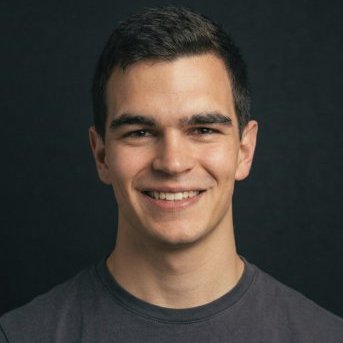
Paul Graham on why AI might never replace startup founders: "AIs don't have needs. Airbnb existed because its founders couldn't pay rent. Facebook existed because Zuck wanted to know what other Harvard kids were up to" AI can build the thing. Wanting the thing badly enough to start is... show more
169,522 görüntüleme • 1 ay önce •via X (Twitter)
17 Yorum

Ai is the neocortex, humans are the limbic system

Thanks for sharing this

my pleasure! I hope you find it helpful

you’re always up to something cool 🐾 sending good vibes!

Great advice here. AI can't solve problems founders know firsthand.

So well said !

The story is what is so compelling to both investors and customers. IMO that might be difficult for AI to replicate that.

Sci-fi spent decades worried about AI being too capable. Turns out the real limitation is it doesn't want anything. Capability without motivation is just a very fast calculator.

just a simple thought and yet so powerful

I disagree. AI will replace founders and start businesses autonomously. That's what we are building.

The 'AI safety' crowd isn't protecting humanity. They're protecting their relevance.

Why does he always only talk about Airbnb ffs

Graham's right that need drives the best startups, but AI can now simulate need convincingly enough to test PMF before a human obsesses over the problem. The question is whether the initial insight still has to come from a person or whether a model can generate authentic pain.

True. Building great things with AI still requires total dedication by a human. The bar will just continue to rise on what greatness looks like. And people will always determine what greatness looks like. Therefore, people need to tell AI on how you continue to create greater.

I think AI still cant understand human motivation. that insight comes from humans

So ambition, grit, resilience and a landlord who does not take SAFE notes

AI needs water, electricity and GPUs huge space to build around it 😁


![Mark Zuckerberg’s advice to 19 year olds that want to have an impact Even though Zuckerberg was 19 when he started Facebook, he advises not turning your idea into a company until it’s working: “I always think the most important thing entrepreneurs should do is pick something they care about and work on it, but don’t actually commit to turning it into a company until it’s working. If you look at the data of the very best companies, I think a tremendous percentage of them have been built that way and not from people who decided upfront that they wanted to start a company because you just get locked into a local maxima a lot of the time.” Sam Altman agrees. Facebook didn’t become a formal company until 6 months in when Peter Thiel invested. In fact, Mark and Dustin Moskovitz even told Peter that they were still planning on going back to school for their Fall semester. Paul Graham gives similar advice in his essay “Want to start a startup?”: “So if you want to start a startup one day, what should you do in college? There are only two things you need initially: an idea and cofounders… [and] the way to get startup ideas is not to try to think of startup ideas… if you make a conscious effort to think of startup ideas, the ideas you come up with will not merely be bad, but bad and plausible-sounding, meaning you'll waste a lot of time on them before realizing they're bad. The way to come up with good startup ideas is to take a step back. Instead of making a conscious effort to think of startup ideas, turn your mind into the type that startup ideas form in without any conscious effort. In fact, so unconsciously that you don't even realize at first that they're startup ideas. This is not only possible, it's how Apple, Yahoo, Google, and Facebook all got started. None of these companies were even meant to be companies at first. They were all just side projects. The best startups almost have to start as side projects, because great ideas tend to be such outliers that your conscious mind would reject them as ideas for companies.”](https://image.24vids.com/tw-1731300000263463224/ext_tw_video_thumb/1731299671857876993/pu/img/F7BVkskYPp6ECVS1.jpg)

![Q: I’m 19 today and want to have a big impact on the world. Should I start a company? Even though Mark Zuckerberg was 19 when he started Facebook, he advises not turning your idea into a company until it’s working: “I always think the most important thing entrepreneurs should do is pick something they care about and work on it, but don’t actually commit to turning it into a company until it’s working. If you look at the data of the very best companies, I think a tremendous percentage of them have been built that way and not from people who decided upfront that they wanted to start a company because you just get locked into a local maxima a lot of the time.” Sam Altman agrees. Facebook didn’t become a formal company until 6 months in when Peter Thiel invested. In fact, Mark and Dustin Moskovitz even told Peter that they were still planning on going back to school for their Fall semester. Paul Graham gives similar advice in his essay “Want to start a startup?”: “So if you want to start a startup one day, what should you do in college? There are only two things you need initially: an idea and cofounders… [and] the way to get startup ideas is not to try to think of startup ideas… if you make a conscious effort to think of startup ideas, the ideas you come up with will not merely be bad, but bad and plausible-sounding, meaning you'll waste a lot of time on them before realizing they're bad. The way to come up with good startup ideas is to take a step back. Instead of making a conscious effort to think of startup ideas, turn your mind into the type that startup ideas form in without any conscious effort. In fact, so unconsciously that you don't even realize at first that they're startup ideas. This is not only possible, it's how Apple, Yahoo, Google, and Facebook all got started. None of these companies were even meant to be companies at first. They were all just side projects. The best startups almost have to start as side projects, because great ideas tend to be such outliers that your conscious mind would reject them as ideas for companies.”](https://image.24vids.com/tw-1714620463958118887/ext_tw_video_thumb/1714620241265778688/pu/img/1rPlD4rVqE-UTQSd.jpg)


