Loading video...

Video Failed to Load

Go Home

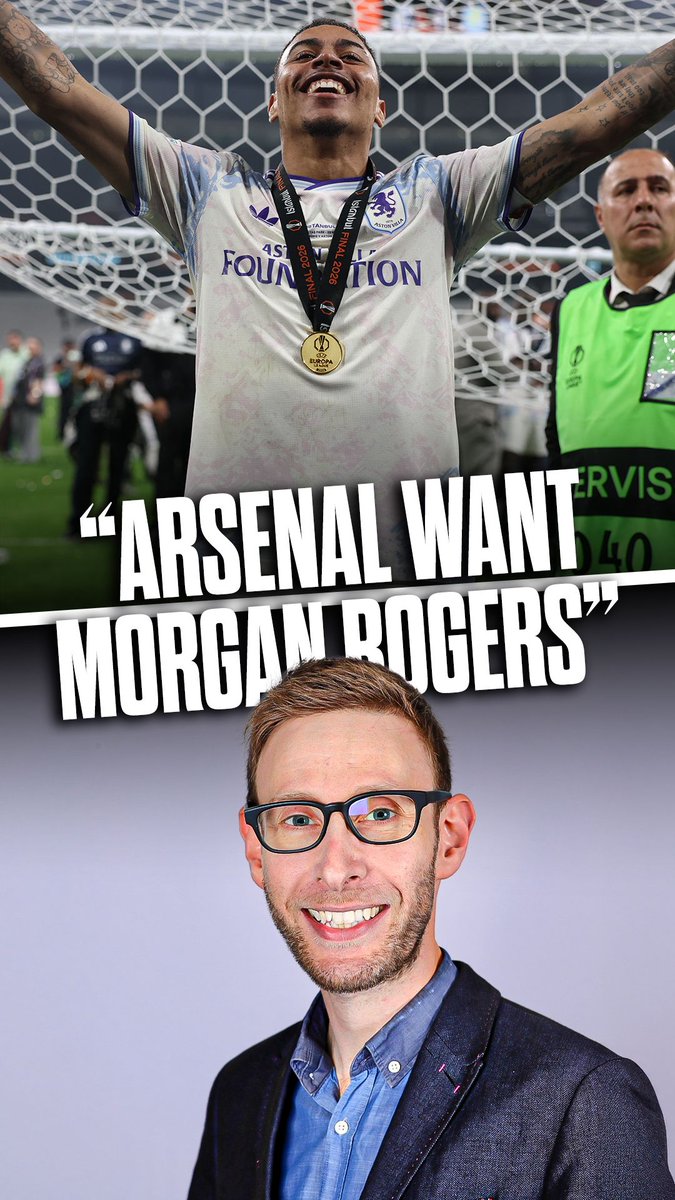
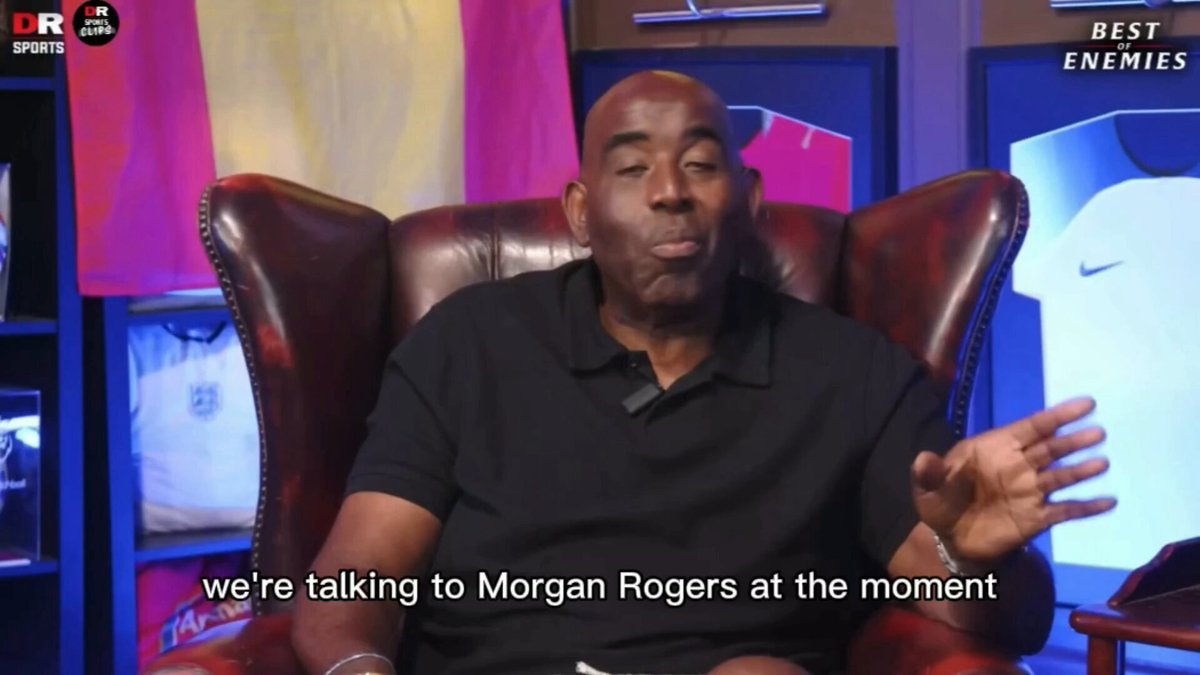
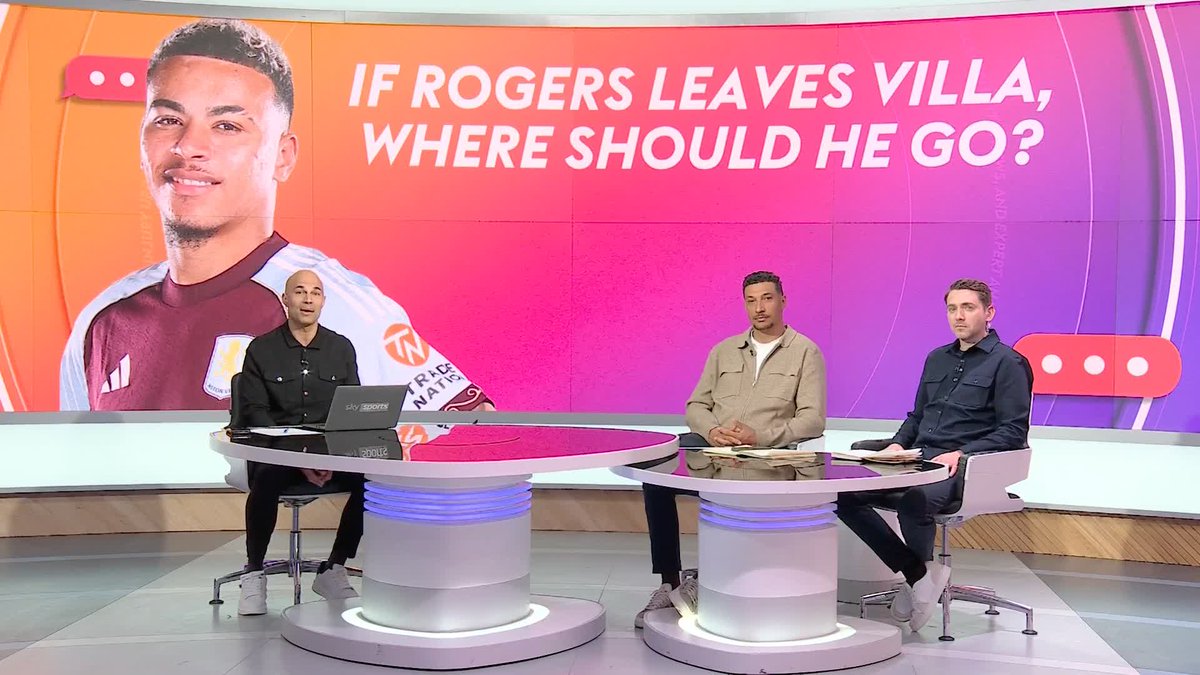
“PAY £100M for Morgan Rogers, he’s WORTH IT!” 💰🔥 Reports are circulating that Villa could sell due to financial difficulties… Would you drop £100m on Rogers… or is that crazy money? 👇🔴

96,753 views • 5 months ago •via X (Twitter)

0 Comments

No comments available

Comments from the original post will appear here

Related Videos

Why Manchester City Could Still Hold a Buy-Back Clause on Morgan Rogers Reports suggesting Manchester City hold a buy-back clause on Morgan Rogers have sparked debate among Aston Villa supporters, largely because Rogers did not join Villa directly from City. The immediate reaction is understandable. Rogers moved from Manchester City to Middlesbrough in 2023 before joining Aston Villa in January 2024. If City sold the player before his move to Villa, how could they possibly retain a future right to bring him back? The answer is that football contracts can be more complex than many supporters realise. Buy-back clauses do not always disappear after a second transfer Most supporters are familiar with sell-on clauses. A club develops a young player, sells him, and retains a percentage of any future transfer fee. Buy-back clauses operate differently. In some cases, the selling club negotiates a contractual right to re-sign the player at a predetermined price during a specified period. While these arrangements are most commonly associated with direct transfers, there is nothing in football regulations preventing the right from surviving future moves if all parties agree. In theory, Manchester City could have sold Rogers to Middlesbrough while retaining a long-term repurchase right. When Villa negotiated Rogers' transfer, that obligation could have been disclosed and accepted as part of the transfer structure. If such an agreement exists, Villa would have purchased the player fully aware of the clause. There is precedent across European football Spanish clubs have used similar mechanisms for years. Real Madrid have repeatedly sold talented young players while retaining future control through buy-back agreements. Players such as Álvaro Morata, Casemiro and Dani Carvajal all left Madrid before later returning through contractual rights negotiated in earlier deals. The principle is simple: the selling club sacrifices immediate ownership but maintains a pathway to regain the player if his development exceeds expectations. Why the Rogers story feels different The scepticism among Villa supporters is not because the arrangement would be illegal. It is because such a clause would be unusually significant. Morgan Rogers has emerged as one of the Premier League's most exciting attacking players. Were City holding an £80 million buy-back option, it would represent one of the most valuable contractual clauses attached to a player outside the traditional elite clubs. Normally, details of arrangements of that magnitude surface quickly. The absence of widespread reporting about a buy-back clause during Rogers' move to Villa is what makes many observers cautious. The most likely explanation At present, the more plausible scenario remains that Manchester City hold a substantial sell-on clause rather than an active buy-back option. A sell-on clause would allow City to benefit financially from any future transfer without giving them the power to dictate Rogers' future. A buy-back clause, by contrast, would potentially allow City to re-acquire one of Villa's most valuable assets at a predetermined fee, regardless of his market value at the time. Without access to the contracts, certainty is impossible. The question is not whether such a clause is legally possible. The question is whether Aston Villa would really have sanctioned it on a player who has since become one of the Premier League's breakout stars. #AVFC

Aston Villa Updates

13,558 views • 2 months ago