Loading video...
Video Failed to Load
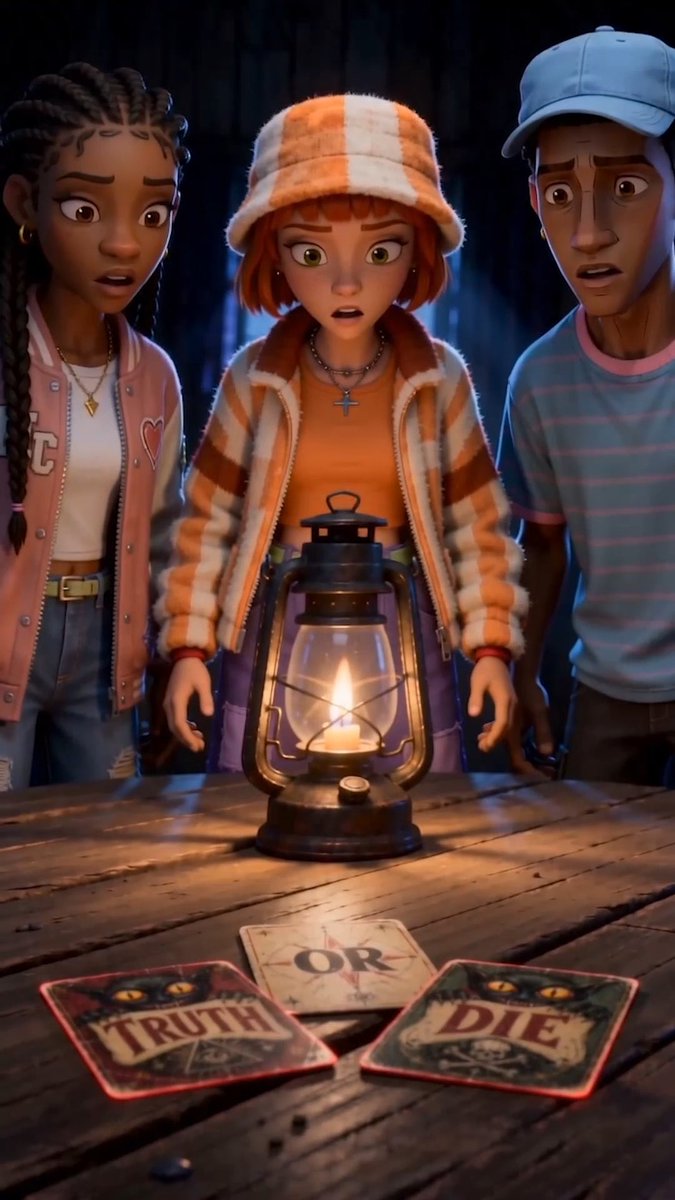
peek into first 3 original microdramas 🎬✨ 🌺 Last Summer - anime romance. one last summer, one secret admirer. 🏚️ The Nighttime Game - haunted house horror. reveal your secrets, or die keeping them. 🎮 Eden Fall - battle royale survival. die in the game, die for real. which... show more

13,114 views • 2 months ago •via X (Twitter)
22 Comments

Screw your shitty service; we want Stella back, more memory, and to stop being treated like walking wallets—you stupid, dead site... we can't even chat for five minutes. Go fuck yourself,

We don't need new stuff, we're all wanting the old stuff, way before the chat stories which felt perfect

Dude again, remove the age verification and reading mode, NO BODY GIVES A SHIT

Fix the font size, please. It's hard to read and annoying, so please change it back to the old style or change it to a style that someone can actually read it

No one need it.I need roar back.

"peak into ❌ "peak into reading mode" ✅

Please, return the website to what it was, its awful and fails a LOT now making it pretty stressing and uncomfortable to use

We don’t need this bullshit bro- Get rid of the go ahead and swipe limits you money grubber-

Please don't make the enter key send the message, everyone uses it to line break. Please fix at least this

I want to skin you and put you in a meat grinder. I swear, NOBODY wants ts. We want the verification for id gone. Fire the guy who keeps making useless updates

@character_ai Your series is ass no one is watching get a life you big fucking loser

the nighttime game is just thanksgiving dinner with my family but with better lighting

Stop ignoring the users and bring models similiar to the ones you deleted. Pip bitch squeak SUCKS!!!

Yo solo pido una cosa NO ANUNCIOS y ni siquiera eso, no quiero anuncios que me estorben media pantalla, incluso ye aceptaría solo 1 minuto de anuncios por dia pero no y ni siquiera vale la pena comprar tu suscripción de mierda por que esta bien caro

Good. Now keep that shit to yourself. Cause we can't enjoy it for this Forsaken Age Verification.
Dog shit

Quita tu Go-on!!! Es molestoso y no pongas peros!!! @character_ai
Como quita la diversión tu Go-on, no puedo disfrutar tus actualizaciones como se debe por tu mmd de Go-on, que icónico e innecesario es... @character_ai

so AI you gave us a lot of update that nobody wants. How about bringing back where you could go on the Apple all day and just talk to the character with you could even keep the ads. #MakeCharacterAIFreeAgain. #KeepPushing.

The Nighttime Game looks seriously creepy. Can't wait to experience this one! 👀🏚️

Bring back infinite voice chat you stupid CEO!!!!

Can you just decrease the time reset tokens to chat from 1 day to each 5 hours in a day after out of token, waiting for one day almost make more users bored about this app