Загрузка видео...

Не удалось загрузить видео

На главную

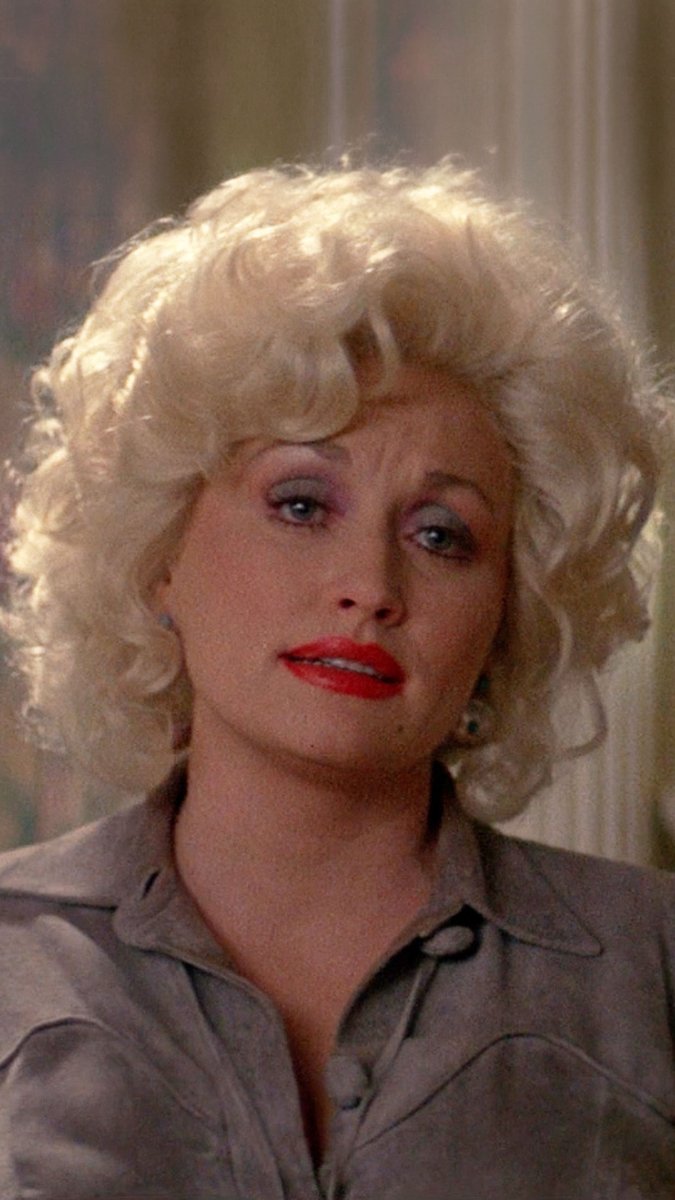
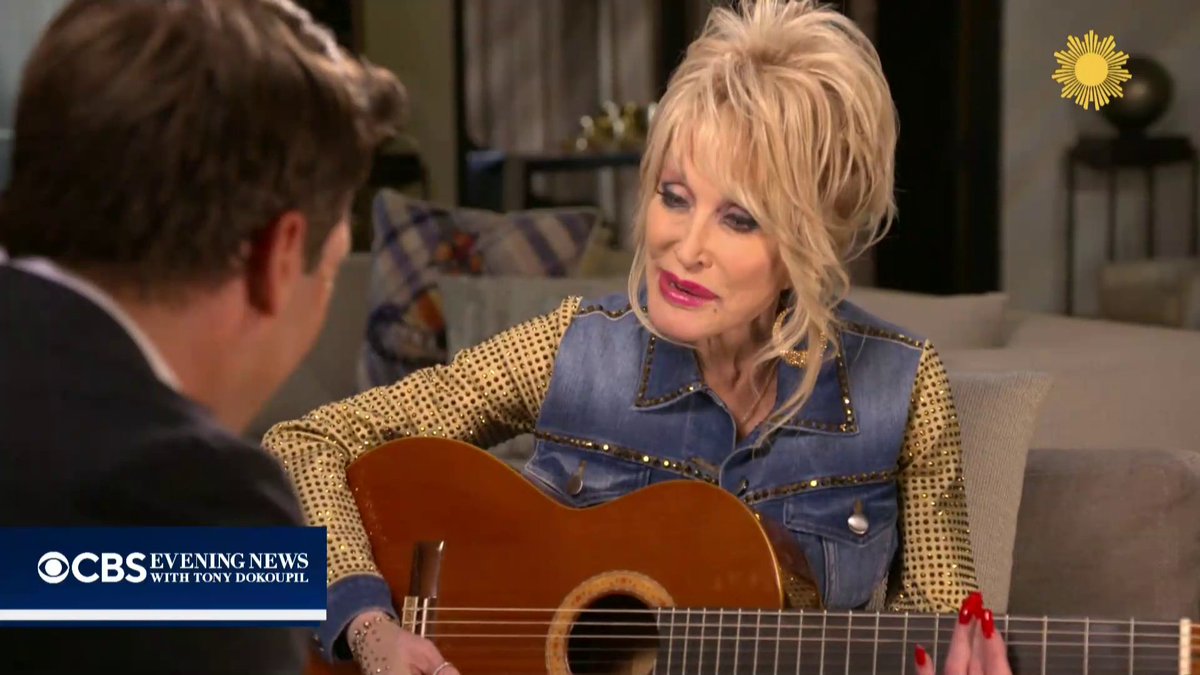
People keep calling this a cute crossover. It isn’t. A 73 year old walks into someone else’s band and takes her song back. “Working 9 to 5.” New York, 2019. Dolly Parton with Nile Rodgers and CHIC. Rehearsal clothes. No sequins. She tightens the horns and the old factory...

53,949 просмотров • 16 дней назад •via X (Twitter)

Комментарии: 0

Нет доступных комментариев

Здесь появятся комментарии из оригинального поста

Похожие видео

I Will Always Love You: When a Song Left Dolly Parton’s Hands There’s a small moment in the history of “I Will Always Love You” that I’ve always found more beautiful than any of the record-breaking numbers. Dolly Parton was driving when Whitney Houston’s version of her own song came on the radio. At one point the emotion hit so hard she had to pull over because she was afraid she’d crash. “I couldn’t believe how she did that,” Dolly later said. She wasn’t just hearing another singer cover her song. She was hearing something familiar become something she no longer fully recognized. What’s worth remembering is that “I Will Always Love You” was never written to be a pop power ballad. Dolly wrote it in the early 1970s, at the moment she decided to leave *The Porter Wagoner Show* and step out on her own. The song was a farewell to Wagoner—painful, but deliberately free of bitterness. Dolly’s own recording went to No. 1 on the country charts. And one detail shows how clearly Dolly already understood the song’s value. Elvis Presley wanted to record it. Dolly was thrilled at the thought of Elvis singing her song. Then Colonel Tom Parker demanded half the publishing. Dolly said no, even though the decision broke her heart. She knew she wasn’t just selling a song—she was giving away ownership of the most important copyright in her publishing company. Looking back, that may have been one of the most important decisions in the song’s history. Because nearly twenty years later, Whitney Houston arrived. Kevin Costner pushed for “I Will Always Love You” in *The Bodyguard*, and the most important idea turned out to be the one that looked like the least: letting Whitney begin almost alone, with no band behind her. David Foster initially wanted to cut the a cappella opening. After hearing Whitney sing it, he realized there was no other way to start the song. This is where the cover becomes a masterclass in arrangement. That opening silence doesn’t just spotlight Whitney’s voice. It strips away everything that could protect or cushion the singer. No drums. No strings. No piano to create a sense of safety. Only tone, breath, pitch, and space. Then the layers enter one by one. The vocal moves from restraint into power. A saxophone opens a different color. Then comes the key change near the end. According to analysis from Berklee, that modulation lifts the song a whole step, and it’s especially effective because Whitney’s voice almost leads the listener into the new key before the instruments fully follow. It’s a familiar pop device—but here it never feels like a cheap trick designed to get a reaction. It feels like the emotion has simply outgrown the old key. And that, more than anything, is the difference between Dolly and Whitney. Dolly sings the song like a goodbye someone might speak very quietly. Whitney sings it as if that same goodbye has been growing inside for years and can no longer stay contained. Same melody. Same story. Two completely different emotional rooms. Whitney didn’t erase Dolly from the song. She made listeners go back to Dolly. The more you hear Whitney’s version, the more you appreciate the strength of the original writing: a melody simple enough to survive a total rebirth, and lyrics precise enough to keep their meaning when carried from country into soul, pop, and gospel. In 1992, Whitney’s version spent 14 consecutive weeks at No. 1 on the Billboard Hot 100—a record at the time. But its success went far beyond the charts. It turned a song Dolly wrote as a professional goodbye into one of the definitive recordings of the person who sang it. Then the story returned to Nashville. Dolly has said that the money she made from Whitney’s version—estimated by Forbes at around $10 million in the 1990s—went toward buying a commercial complex in a predominantly Black neighborhood outside the familiar Music Row area. She gave it a name that almost summarizes the entire story: “the house that Whitney built.” I like how the story ends there. Not with a luxury car. Not with a mansion named after a hit. But with a piece of real estate in Nashville where Dolly said she wanted to be “with Whitney’s people,” people she also considered her own. A song begins when one woman says goodbye to the man who helped shape her career. Another woman takes it, changes the way the song breathes, expands its scale, and carries it to millions of listeners. And in the end, the rewards of that version circle back to the city where Dolly first wrote the song. Maybe that’s what makes “I Will Always Love You” special to me. A great songwriter knows how to write a song. A great artist knows how to make it her own. But sometimes the real miracle comes afterward: the song becomes large enough that the writer can stand outside it, listen to someone else sing it, and still find herself inside it. Dolly once said she wished she could have sung the song with Whitney. She also joked that Whitney would have outsung her for sure. That comment feels pure Dolly. No claim of ownership. No attempt to reclaim the spotlight. Just a quiet smile at a song that traveled farther than anyone could have planned—and the recognition that, somewhere, it was still her little song.

Music over time🎻

22,064 просмотров • 27 дней назад

I dated a girl once and she was extremely beautiful. She worked for DNA models. She ate a terrible diet that horrified me. She thought she had to. By far the strangest thing about her was that she would listen to the same song for over 4 hours in a row, every day She'd come home exhausted, climb into bed and put on her huge expensive headphones and start playing her song. It was this song. It was no secret, I could always hear it through the headphones. In her music app she only had this song and she put it on a permanent loop. Some days she'd listen to it for 4 hours. Other days for more. Occasionally at the weekends if she really needed to recover in bed, she'd listen for 8 hours or more When I was around her, I'd listen too. Not because I wanted to, but you could always hear it a little from her headphones, in the background. At a certain point, it started to feel normal. At the start, I asked her why she did it and she said "I just love this song, why would I listen to anything else". I really liked her answer. So I didn't challenge it. She said she'd been doing it for years Sometimes I'd pick her up from shoots in the city and the moment she met me she'd ask if she could please put her headphones on and listen to music. Then she'd start. She wouldn't do it in public without me there, because she wanted to stay aware of her surroundings. But if I was there, she could put her headphones on straight away and just trust she was safe. She'd listen to her song and rest on my shoulder and close her eyes as we rode the subway home Throughout our relationship we didn't talk much, really. It was more of a physical thing. Not in a superficial way. Not just lust. I mean that we were both completely satisfied just resting on each other, without speaking. We liked physical contact, or a sense of shared physical beingness. But neither of us needed to talk like most people do and we really savored that about each other I actually really loved it when she put her headphones on and entered her cosy,safe space. It was like she was entering into a little coccoon. With time, I realized it was a kind of recovery protocol and a meditative trance. It anchored a state of rest for her that she desperately needed. She didn't have OCD or any other compulsions. It was just this one thing. This one particular song. It was like a little cave she entered to heal from the stress of the day and burdens of existence. I dated her for 2 years and she did it every single day, up until the end. When I kissed her goodbye on the final day, she had her big headphones hanging around her neck and the song was playing through them. It was the last thing I heard, on the last day I looked into her eyes

asparagoid

599,752 просмотров • 1 месяц назад