正在加载视频...

视频加载失败

PHP2Shell, explained by cats. PHP2Shell is two critical flaws in PHP itself. A form stuffed with hundreds of empty uploads makes PHP run out of memory and clear it, but one pointer still points there, so the next visit can leak other users' passwords or run an attacker's code....

98,000 次观看 • 23 天前 •via TikTok

0 条评论

暂无评论

原始帖子的评论将显示在这里

相关视频

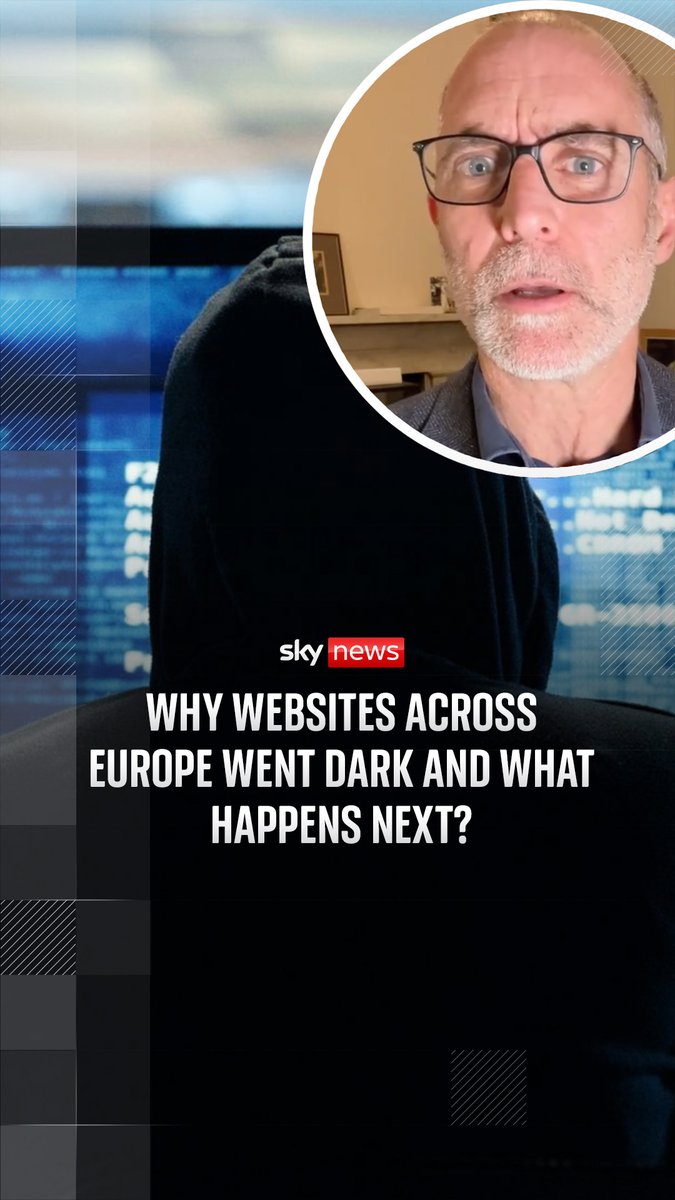
The internet is going into a LOCKDOWN. Hundreds of millions of websites are potentially at risk from cyberattacks. Governments, banks and major platforms have already taken their websites OFFLINE. Many are already calling it “Black October.” At the centre of the shutdowns is something most of us have never heard of, but use every day. PHP, the software behind roughly 7 in 10 websites, has two critical flaws that can let hackers break in without a password. Dubbed PHP2Shell, both are rated 9.2 out of 10 for severity. Details began circulating on Oct 20. Emergency fixes arrived the next day, but attackers were already moving. Cloudflare’s CEO says hacking attempts then jumped from thousands to MILLIONS within hours. Cybersecurity agencies across several countries are telling PHP site owners the same thing: Patch it now, or take it offline. Websites have gone dark worldwide, from government portals and hospitals to banks. CrowdStrike warns these attacks leave almost no trace, so some sites may not know if they’ve been hit. Around 2.6 MILLION internet-facing servers run PHP, potentially hosting hundreds of sites each. Over 1.1 million use older versions no longer receiving official PHP updates. Older installations may need an upgrade to a supported PHP version or a fix from their software provider. And patching does not remove a backdoor an attacker may already have planted. Cloudflare also says hackers are now tweaking their attacks to try to slip past its protections. But PHP isn’t the only security story unfolding. -Japan’s Onamae suspended ALL Desktop Cloud plans after malware was found on customer servers. -India’s eMudhra had 8 website-certificate keys so weak, one was literally the number “4”. -State Bank of India confirmed 3,897 customer records on the dark web. -Criminals used AI agents to break into 400+ Latin American banks. -Capcom confirmed a breach exposing 11.7 million email addresses. -GitLab disclosed a 10/10 severity flaw in versions going back to 2014. -LiteLLM removed a malware-containing release. Railway reported possible exposure of customer secrets. None of these has a confirmed link to PHP2Shell. We’re seeing separate breaches unfold together. The true number of incidents could take months to come out. The world is still on alert. Attacks are still coming.

Coin Bureau

2,090,588 次观看 • 24 天前

Security recap from the last 24 hours that actually matters. - PHP, 2 CVEs - Node.js, 10 CVEs - SSL, 8 eMudhra intermediate certificates compromised - GitLab self-managed, 1 CVE rated 10.0 What's the problem? PHP - CVE-2026-109618 and CVE-2026-109619, both CVSS 9.2 - Unauthenticated remote code execution in the PHP runtime itself - Every PHP site serving web requests is affected, so WordPress, Laravel and Drupal too - Exploit attempts are already being reported Fixing PHP Upgrade to 8.5.12, 8.4.27, 8.3.36 or 8.2.35. PHP 8.1 and older get no official fix. Node.js - 4 High, 3 Medium, 3 Low - A brotli decoder bug that can lead to remote code execution - TLS hostname checks that can be bypassed with oddly written IP addresses - dns.resolve breaking on names with null bytes Fixing Node.js Upgrade to 22.23.4, 24.22.1 or 26.12.1. EOL versions stay vulnerable. eMudhra - 8 intermediate certificates from this CA were compromised - That means someone could forge HTTPS certificates - Browsers already block them, but Node apps, containers, VPNs and CI keep trusting them until you update Fixing eMudhra Update Node, Go, your OS CA bundle and your container base images. If your site uses an emSign certificate, get a new one. GitLab self-managed - CVE-2026-110264, CVSS 10.0, unauthenticated remote code execution - Fix is 19.5.1 plus backports. is already patched. So, have you upgraded and patched? If not, better talk to your team today. These are serious because the impact can be - Attackers running code on your server without logging in - Leaked user data and secrets - Fake HTTPS certificates silently accepted by your backend services

λL-D1 | AI for Buzzer 🍉

42,278 次观看 • 24 天前