Video wird geladen...

Video konnte nicht geladen werden

Zur Startseite

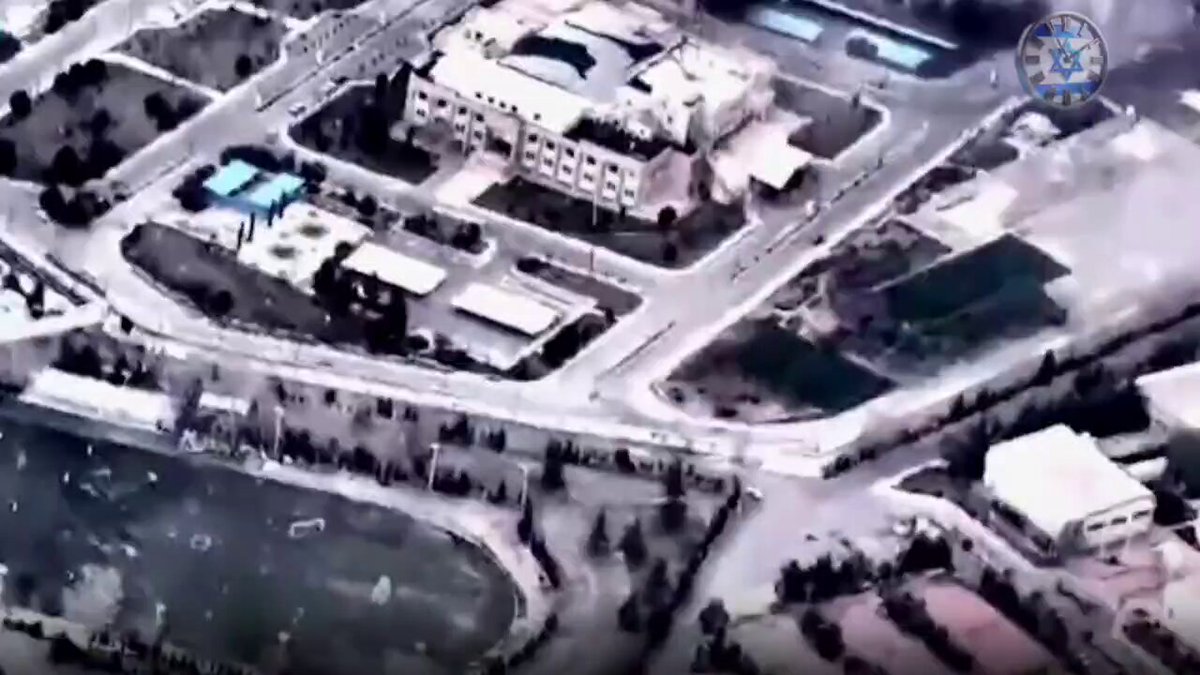
Quality over quantity in drones: One "Upyr" survives direct Mavic collision, stays operational. Cheap mass production yields drones that fail to fly or complete missions — costing lives & targets. 100 reliable drones beat 1000 junk ones. Breakthroughs demand quality focus.

115,143 Aufrufe • vor 6 Monaten •via X (Twitter)

0 Kommentare

Keine Kommentare verfügbar

Kommentare vom Original-Post werden hier angezeigt

Ähnliche Videos

JUST IN: Iran gave Russia its Shahed drones. Russia improved them in Ukraine. Now Western intelligence says Russia is shipping the upgraded versions back to Iran. And the country that learned how to kill those drones on the battlefield just sent 228 experts to the Gulf to teach five countries how to do the same thing. The full circle is extraordinary. Iran supplied thousands of Shahed-136 kamikaze drones to Russia starting in 2022 for use against Ukraine. Russia rebranded them Geran-2 and, over three years of combat, upgraded the navigation systems, added anti-jamming capabilities, improved the engines, and refined the payload delivery. The Financial Times and AP reported on March 26 citing Western intelligence that Russia is now in the final stages of shipping those upgraded Geran-2 drones back to Iran’s IRGC, along with medicine and food supplies. Kremlin spokesman Peskov called the reports “lies” and “fake news dumps.” Meanwhile, Zelensky arrived in Saudi Arabia on March 26 for an unannounced visit, met Crown Prince Mohammed bin Salman, signed a defense cooperation deal focused on air defense and drone expertise, and departed Jeddah on March 28. Ukraine has deployed 201 to 228 military drone specialists to five Gulf and Middle Eastern countries: the UAE, Qatar, Saudi Arabia, Kuwait, and Jordan. Another 34 are ready per Zelensky’s statement on March 17. These specialists are not there as a symbolic gesture. They bring the single most effective counter to Shahed drones that exists anywhere on earth. Ukraine developed FPV interceptor drones that account for roughly 70 percent of all Shahed and Geran-2 shootdowns in Ukraine per Forces News and Atlantic Council reporting. The method: radar and acoustic sensors detect the incoming drone at 20 to 50 kilometres. A cheap, fast quadcopter or fixed-wing interceptor launches from a mobile platform. An operator pilots it at high speed toward the target. It destroys the Shahed through kamikaze collision or a small explosive payload on impact. Cost per intercept: a fraction of what a surface-to-air missile costs. Militarnyi reported on March 22 that Ukrainian teams have already confirmed multiple Shahed shootdowns in the Middle East. The arms race running through this war is now a closed loop. Iran builds the drone. Russia tests it, improves it, and allegedly sends the improved version back. Ukraine learns to kill it through three years of battlefield iteration. Ukraine exports that knowledge to the Gulf states Iran is attacking. The Gulf states pay Ukraine in money, technology, and diplomatic support. Russia denies everything while the drones fly in both directions. This is not a bilateral conflict. It is a global drone ecosystem where every improvement by one side is studied, countered, and re-exported by the other. The Shahed that hits a refinery in Bahrain tonight may carry Russian-upgraded navigation. The interceptor that destroys it may be piloted by a Ukrainian operator trained in Zaporizhzhia. The defense deal that funded the deployment was signed in Jeddah while the war it was designed to address raged 1,500 kilometres to the northeast. SpaceX’s Starlink provides the communications backbone for these teams in contested environments where terrestrial networks are degraded by the same war. The same helium shortage threatening semiconductor fabs and quantum computers is threatening the rocket launches that put Starlink satellites in orbit. The same strait carrying the oil carries the data cables that the drones are trying to protect. Every domain connects through the same 39 kilometres of water. Full analysis -

Shanaka Anslem Perera ⚡

1,296,672 Aufrufe • vor 5 Monaten

The era of monsters like AUKUS is over. When the AUKUS program – which I will discuss in the coming days – was designed, it was already obsolete. Its most likely future is cancellation as many US programs during the last years. Just as drones in Ukraine dominated the battlefield in Ukraine, and proved that anything big and slow becomes vulnerable and almost useless, the same fate now reaches submarines. Hundreds of underwater drones will hunt submarines for hours or days until they find them, and China leads these breakthrough technologies. Two stand out: - Magnetic Wake Detection: developed by Northwestern Polytechnical University (NPU), it tracks magnetic disturbances left by moving submarines, even stealth Seawolf-class ones. Chinese UUVs already integrate this with existing MAD systems, mapping persistent wakes in real time. In 2025 tests, it merged with acoustic networks and AI to form a vast detection grid. - CPT Atomic Magnetometer (quantum sensor): the most promising, it eliminates low-latitude blind spots with extreme precision. Initially tested on tethered aerial drones, it is now being adapted for submerged UUVs using rubidium for omnidirectional anomaly detection. CASC researchers are miniaturising and mass-producing it; in simulations, AI-equipped UUVs distinguished real targets from false positives (e.g. whales) with 95% accuracy. None of this is theoretical – it is already part of China’s Underwater Great Wall, a mobile sensor network fusing magnetic, passive sonar and AI data. This is exactly why Japan’s new submarine - using lithium batteries- program draws so much attention: excellent cost, real innovation, and units entering service before 2032 will also be modern long-range (1,000-3,000km) missile platforms even for hypersonic missiles. They are cheap enough that the AUKUS budget could hypothetically buy hundreds of them. The future lies in smaller, cheaper, more numerous units – never the opposite. Modern warfare is entering the age of decentralisation, and programs like AUKUS are its exact antithesis.

Patricia Marins

509,860 Aufrufe • vor 8 Monaten

RC-135 Deployments Signal Imminent Attack: Myths and Realities of Iran's Military Power The RC-135 is a family of large reconnaissance aircraft operated by the ISAF. These jets are designed for ISR missions, providing near real-time data to military commanders and national leaders. The primary variant focuses on detecting, identifying, and geolocating electromagnetic signals, such as communications, radar emissions, and electronic warfare activities. Based on past experience, the early arrival of these aircraft often signals that an attack may be very close. But what about Iran, what capabilities does it actually have? There are many myths surrounding Iran's military power. Here are some key points: 1. Israel did not overfly Iran during the 12-day war This is implausible. Most part of the munitions used included bombs like the GBU-28 and GBU-31, both with ranges under 25 km, which suggests they could only have been dropped from inside Iranian territory. 2. Iranian missiles have poor accuracy In 2025, several Iranian missiles were launched against targets in Erbil, Iraq, with excellent precision. During the 12-day war, Iran struck the Weizmann Institute and the Haifa refinery with high accuracy, as well as some Israeli launchers, all in an environment of heavy jamming. The truth is that Iranian missile accuracy depends on the model. Iran has missiles in its arsenal that are more than 15 years old, but there is no evidence that the precision of its modern anti-ship missiles is deficient. 3. Iranian air defenses are of very poor quality This cannot be stated with absolute certainty because they were never fully tested. Israel's ground sabotage operations were highly effective, successfully disabling radars and most short-range air defense systems. Iran does not keep its long- and medium-range air defenses permanently deployed, and consequently none of them were destroyed during the 12 days of war. 4. Iran has no radars capable of detecting stealth aircraft In 2024, Iranian radars locked onto Israeli F-35s while they were still over Iraqi territory. In 2025, Iranian-supplied radars integrated into missile batteries in Yemen also locked onto and fired at U.S. F-35s on multiple occasions, nearly downing one. 5. The high technology of U.S. ships and aircraft will paralyze Iranian weapons This would only happen if the Iranians turned their systems off, as reportedly occurred in the Venezuela case. So far, Iranian equipment has proven extremely resistant to interference. Shahed drones continue to operate accurately, and after years of Western efforts, they have not been successfully jammed. This will pose a major challenge for the Americans. 6. The U.S. Carrier Strike Group will easily crush the Iranian navy They would destroy Iran's large ships in minutes, but they would face enormous difficulty against mini-submarines, USVs, UAVs, UUVs, and fast attack craft equipped with missiles. In additional, the U.S. drones would not have complete freedom for target acquisition and would have to rely on LEO/ISR sats. Iran possesses drones like the Karrar, a jet-powered interceptor equipped with air-to-air missiles that can operate at 15,000 meters to deny U.S. drones freedom of action. The Israelis lost an unknown number of drones during the 12-day war, though losses were reported. Summary Does Iran have any advantage? At sea, against the current Carrier Strike Group and considering all of Iran's resources, I would say Iran holds an advantage, evidenced by factors such as missile range, number of containers, tubes, VLS cells, drones, mines, submarines, anti-ship missiles, and other assets. However, once the focus shifts from the sea to the air, the American advantage is overwhelming, both in satellite intelligence and in combat aviation. And this is the type of war the Americans know best.

Patricia Marins

30,566 Aufrufe • vor 7 Monaten

🇮🇱🇮🇷 IRAN WAR STRATEGY EXPLAINED! It is important to understand that Iran is not fighting a symmetric war against the USA/Israel. They can’t and they don’t. 📋 Iran is doing two things at the same time: 1) WAR ON OIL AND GAS Iran is trying to choke off oil and gas trade from the Middle East through strikes on oil and gas platforms/refineries and the closure of the Strait of Hormuz, which handles about 25% of seaborne oil and gas trade. (Video 3) This hits US and Arab interests hard. The sheikhs are already calling Trump and urging quick action. They need peace to continue business. → This is achieved with minimal effort by Iran and is working. No ships pass the strait, oil/gas production is halted to some extent, prices skyrocket. This affects everyone worldwide. Trump is under heavy pressure as long as this continues. 2) MISSILE WAR The missile campaign is not aimed at quickly destroying USA or Israel. That’s pure internet hype. Iran fires enough drones and missiles to keep defenses busy and deplete interceptor stocks. They strike multiple locations simultaneously (Qatar, Saudi Arabia, UAE, even Cyprus), forcing the US to spread air defenses thin. Concentrating heavy defenses in one place becomes impossible. As Rubio noted yesterday, only 6–7 interceptors are produced per month (Video 2), while Iran produces over 100 missiles per month. If Iran sustains the campaign, it will win the attrition war against air defenses. Time is on Iran’s side. The more air-defense missiles are expended per Iranian projectile, (just look how much they fire to intercept one missile - Video 4), the worse the situation becomes for the defenders—especially after Ukraine depleted much of the Western stockpile over the past four years. Key takeaway: As long as Iran maintains the missile campaign, time works in their favour. The longer the conflict lasts, the stronger Iran’s position becomes. If air defenses run out, Iran can strike freely anything and will win. 📋 Status quo: A) Iran fired fewer missiles on Monday, so they are losing? No! Analysis of the US CENTCOM video (Video 1): The US Air Force struck abandoned, already-used launchers and a broken-down truck. They clearly couldn’t locate active Iranian missile forces, so they hit whatever they found. The launchers were already expended; the crews had left after firing. When the US releases such footage, it suggests this is the best they have. They are not destroying Iran’s missile forces at a high rate. They destroy abandoned trucks. Iran doesn’t need to act quickly. Firing drones and missiles a few times a day is enough to keep oil/gas trade stopped and air defenses occupied. As long as they sustain this, time remains on their side. B) Is Iran winning? Also No. Iran struggles to keep its airspace clear. US surveillance drones continue to penetrate, preventing free movement of launchers. As long as those drones remain active, Iran cannot fire at will without risk. Failure to neutralise them would break their strategy. While American and Israeli drones fly in Irans sky, Irans missiles stay under ground and can’t surface, or they risk being struck quickly. Hence US/Israeli Surveillance drones, that direct strikes are the biggest problem Iran has now. They want to roll out missile infrastructure from below ground to the surface, and they can’t … at least not at scale. Watch this closely as a key indicator. How many drones are flying above Iran and how many are shot down. C) What is the US/Israeli strategy? They planned to remove Khamenei, trigger mass protests by Shah supporters, and install a new regime. This has clearly failed. Now they destroy military buildings (police headquarters, etc.), mostly for posture and intimidation. Essential personnel do not work in above-ground offices—doing so would be foolish. The remaining option is to make life unbearable and force surrender by bombing power plants and similar infrastructure. This will come soon at scale. More bombs!

Lord Bebo

1,612,322 Aufrufe • vor 5 Monaten

The best SEAD is in dollars. In military terms, the acronym SEAD stands for Suppression of Enemy Air Defenses. In other words, it's the means of rendering them inoperable by whatever methods necessary, though it typically involves electronic warfare (EW). Venezuela had more than 100 anti-aircraft batteries of long, short, and medium range, in addition to MANPADS. Some people are debating the quality of the air defenses, which is utter nonsense since they clearly weren't activated. Helicopters like the Chinook would have been easily locked on and shot down in a normal scenario. The CIA had been operating in Venezuelan territory for months with limited progress, precisely because the military wasn't short on money. Major companies like PDVSA, CORPOELEC, CVG, CAMIMPEG, Pequiven, all food imports and exports, and another 50 or so enterprises are under military control. How do you bribe people who were already making so much money, especially from oil? That's when things started to change, as ships began to be seized. The main source of revenue was threatened with drying up, along with the risk of an invasion. At that point, the doors opened to dollars willing to buy everything, including the SEAD. The Trump administration bought off the entire Venezuelan army to such an extent that they didn't even allow the use of MANPADS. The attacks, based on the size of the debris, appear to have come from drones. And it seems American drones need significant improvements, as various experts have already pointed out. Even without any resistance, the strikes, which were supposed to be symbolic, still missed targets and killed about 40 people, most of them civilians whose homes were hit. This is very serious. In a scenario like this, there shouldn't have been any civilian deaths. I confess that even so, other American actions in past eras were far more destructive than this one. The merit of this operation lies in the intelligence engineering, which focused on the economic aspect to weaken internal support. But the Venezuelan militaries will hold the power and now with more money. The best SEAD is in dollars.

Patricia Marins

41,281 Aufrufe • vor 7 Monaten

Forget US Switchblades. Meet India's HOVERBEE. 🇮🇳✈️" The paradigm of the modern battlefield is shifting from heavy artillery to soldier-portable lethality. Leading this transition is Zulu Defence Systems, a Bengaluru startup emerging as a pivotal player in India's defense sector. By combining cutting-edge technology with real-world military experience, Zulu is providing a strategic edge to the Indian Armed Forces. With leadership like Major Samar Toor Major Sammer Pal Toorr (Infantry Combat Veteran) (Chief Growth Officer and 3rd Generation Infantry Veteran) driving their vision, the company is set to become a game-changer in the domain of tactical drone warfare. The Game Changer: The HOVERBEE: The star of their arsenal is the HOVERBEE. This isn't your average quadcopter. It is a micro-loitering munition (kamikaze drone) that fits in the palm of your hand. A compact 15 cm, 260-gram kamikaze micro-drone for indoor/outdoor ops. It enters the building to hunt terrorists, delivers a 400-gram grenade payload, offers night vision, live video streaming up to 2 km, and excels in border surveillance even in fog/bad weather. From Prototype to Production: The biggest news isn't just the tech—it's the induction. Indian Navy MARCOS Induct the 'Hoverbee' – The New Predator in the Shadows. -->The system underwent rigorous trials with elite units, including the Marine Commandos (MARCOS) and infantry battalions. -->Zulu Defence has moved from prototyping to batch production, ensuring that Indian infantry units don't just have one or two prototypes, but a steady stream of "personal air support." This deal marks a major shift where the Indian Army is trusting indigenous startups over foreign imports for critical tactical needs. The DRAP (Anti-Armor): India's first indigenous kamikaze "tank killer" drone. Beyond the micro-drones, they have developed the DRAP—a larger loitering munition with a 5kg warhead. It targets Light vehicles, bunkers, and even tanks. This acts as a "Tank Killer," allowing infantry to ambush mechanized columns without needing heavy anti-tank guided missiles (ATGMs). ZBEE FPV: A tactical first-person-view combat drone for precision payload delivery (e.g., 2kg mortar dropper), low-latency AI-stabilized vision, and battlefield strikes in tough conditions. VOLUME35: A weaponized UAS platform that can launch Igla-S MANPADS (shoulder-fired anti-air missiles) from the air, extending range and versatility for air defence against enemy aircraft/drones. Atmanirbhar Bharat Advantage: Foreign drones often come with high costs and data security risks. Zulu offers a solution that is 100% Made in India, a fraction of the cost of US equivalents (like the Switchblade), and engineered specifically for high-altitude borders. Zulu Defence isn't just a company; it's a warning to our adversaries. The eyes in the Indian sky are smaller, smarter, and deadlier than ever before. 🇮🇳 Major Sammer Pal Toorr (Infantry Combat Veteran) Col AJ🇮🇳 Brig Brijesh Pandey Aadi Achint 🇮🇳 TheGlobalDecoder #ZuluDefence #IndianArmy #AtmanirbharBharat #MARCOS

The Sacred Scroll

48,873 Aufrufe • vor 8 Monaten

🚨 OPERATIONAL UPDATE: ISRAEL U.S. WAR WITH IRAN - Reporting Window: Last 24 Hours The last 24 hours reinforce the structure that has been developing across the war. Activity remained steady across Iran, Israel, Lebanon, and the Gulf, with no single breakthrough moment but continued pressure applied across every layer of the conflict. ━━━━━━━━━━━━━━━━━━ ✈️ STRIKES INSIDE IRAN Strikes continued across multiple areas inside Iran, including Tehran, Shiraz, Kermanshah, and Ahvaz. The targeting profile remains consistent with recent days, focused on systems tied to weapons development and military sustainment. In Tehran, reporting points to continued strikes on military-industrial infrastructure, including: *⃣ Weapons production and research facilities *⃣ Infrastructure around Mehrabad Airport *⃣ Sites linked to Iran’s advanced weapons programs, including SPND-related supply nodes There are also indications that some of these locations had secondary roles, including use by Basij-linked personnel. That aligns with the broader pattern of targeting not just hardware, but the networks that support it. The key point in this 24 hour window is continuity. The same categories of targets are being hit repeatedly, suggesting an effort to ensure these systems are not just damaged, but unable to recover quickly. ━━━━━━━━━━━━━━━━━━ 🚀 IRANIAN RESPONSE Iran continues to respond. Current intelligence assessments indicate that roughly half of Iran’s missile launchers remain intact, along with a large drone inventory. At the same time, the operational pattern remains limited. Iran is still launching missiles and conducting attacks, but still not at the scale seen earlier in the war. The response appears to rely on: *⃣ Smaller salvos rather than sustained barrages *⃣ Continued willingness to strike civilian-adjacent targets *⃣ Expansion of pressure beyond Israel itself This reflects pressure on launch systems and coordination, not a lack of overall capability. ━━━━━━━━━━━━━━━━━━ 🔥 LEBANON FRONT The Lebanon front remained active during this window, with both ground and air components continuing. Israeli forces carried out a targeted ground operation in southern Lebanon, resulting in direct engagement with Hezbollah fighters. Reporting indicates: *⃣ Israeli troops pushed deeper into southern لبنان *⃣ Hezbollah operatives were killed in close-quarters combat *⃣ Additional strikes were carried out against infrastructure using air, naval, and ground assets This is consistent with ongoing efforts to shape the immediate border area and reduce launch capability from southern Lebanon. At the same time, the front remains contained geographically, but active in terms of daily engagement. ━━━━━━━━━━━━━━━━━━ 🌍 GULF AND REGIONAL ACTIVITY Regional expansion continues to be one of the most consistent elements of the war. Over the last 24 hours, Iranian attacks again targeted Gulf infrastructure, including: *⃣ A Kuwaiti oil refinery and desalination facility *⃣ Additional aerial threats across UAE airspace, including ballistic missiles, cruise missiles, and drones *⃣ Civilian injuries linked to interception and debris in the UAE These are functional targets tied to energy and water systems, reinforcing the broader strategy of applying pressure beyond Israel. ━━━━━━━━━━━━━━━━━━ ⚓ STRAIT OF HORMUZ Hormuz remains central to the strategic picture. Developments in this window include: *⃣ Ongoing discussions among multiple countries regarding how to reopen and secure the strait *⃣ Continued Iranian signaling around its ability to influence maritime traffic *⃣ Early indications of mediation channels involving Oman There is no resolution here yet, but the focus on Hormuz is becoming more operational and less theoretical. ━━━━━━━━━━━━━━━━━━ ⚠️ IRAQ Iraq emerged more clearly in this window the last 24 hours as a continued potential point of escalation. The U.S. embassy issued a warning that Iran-aligned militias could conduct attacks in Baghdad within 24 to 48 hours, with potential targets including: *⃣ Diplomatic facilities *⃣ Commercial and infrastructure sites *⃣ Areas frequented by U.S. personnel This aligns with the broader pattern of pressure expanding through proxy channels when direct options are constrained. ━━━━━━━━━━━━━━━━━━ 📌 WHAT MATTERS MOST RIGHT NOW The structure of the war remains stable, but fully active: *⃣ Inside Iran, strikes continue to focus on production and sustainment systems *⃣ Iran retains significant capability, but is operating under constraints *⃣ Lebanon remains an active front with ongoing ground and air operations *⃣ The Gulf is consistently targeted, particularly energy and infrastructure systems *⃣ Iraq is showing early signs of becoming more active through proxy activity ━━━━━━━━━━━━━━━━━━ 🧠 MY ASSESSMENT This 24-hour window of time does not introduce a new dynamic. It confirms the current one. Israel is continuing to apply pressure across the systems that allow Iran to produce and coordinate military activity. Iran is continuing to respond within its constraints while expanding pressure across the region where it can. The result is a conflict that is not concentrated in one place, but distributed across multiple active fronts at once. That remains the defining characteristic of the war right now.

Inside_Israel_Intel

49,879 Aufrufe • vor 4 Monaten

This weekend a Ukrainian crew pushed the Wovkulaka Spitfire FPV interceptor out to 84.7 km before it smoked a SuperCam whose operators thought they were safely parked somewhere in the south. Manufacturer's previous record was 69 km. That is not a incremental upgrade. That is the kind of leap that rewrites operational math on the entire theater. Every extra kilometer we add to the reach of cheap, mass-produced Ukrainian drones is another chunk of Russian rear area that stops being a safe haven. It is not glamorous. It is not the kind of thing that gets NATO generals excited in PowerPoint slides. But it is exactly the asymmetric grind that turns Moscow's quantitative advantage into an unaffordable liability. They lose more meat trying to take villages that had fewer residents before the war than the monthly body count we are stacking with systems like this. Their "meat is cheap" doctrine only works until the bill comes due in rubles, barrels, and replacement pilots they no longer have. This is why the endless Western hand-wringing about "escalation" and "negotiated settlement" sounds so hollow from Kyiv. Every new Ukrainian long-range strike capability demonstrated on the battlefield is proof that the cheaper European security architecture is the one where we keep handing Ukraine the tools to finish the job, not the one where we let Moscow consolidate gains and then face the same threat again in five years at triple the cost. Arming Ukraine is not charity. It is the discount bin on continental defense. Moscow wins and the price tag for Poland, the Baltics, and everyone behind them goes vertical. Their hybrid war, their information sewage, their axis with Tehran and Pyongyang, all of it gets oxygen as long as the Kremlin believes it can outlast Western attention spans. The crew that just set this record does not need lectures about "peace processes" from people who still cannot name a single Ukrainian city on a map. They need scaled production, components that do not get slow-walked by bureaucratic cowardice, and the political cover to keep pushing the frontier of what cheap autonomous systems can do. Because every additional kilometer we own is another square kilometer of Ukrainian sky that Russian recon birds no longer fly with impunity, another logistics node that burns at night, another data point proving that imperial projects die when the math no longer works. Ukraine is not waiting for permission to exist. We are building the future European defense model in real time while half the continent still debates whether it is polite to admit that. The Spitfire record is just the latest receipt. Moscow keeps pretending it is winning by capturing ruins at grotesque cost. We keep extending the kill chain until their empire runs out of both ruins and the bodies required to take them. The trajectory is clear to anyone not paid to look away.

medoyid_ua

39,573 Aufrufe • vor 1 Monat

🚨 ANOTHER BRAND NEW VIDEO DIRECT FROM IRAN: The call to be armed has evolved. This is no longer about small-scale tactics or asking for pistols to target low-level regime forces; it is the deployment of a next-level strategy. A highly sophisticated, organized force inside Iran is preparing for a decisive action to finish the matter. These individuals are sending videos directly to me to break through the silence and project a completely new reality on the ground. This latest footage reveals a group operating east of Tehran near Pardis and Jajrud, confidently displaying their exact GPS location before setting up a fleet of FPV and surveillance drones. Their message is absolute: the era of disorganized vigilantes playing around with guns is over. They are operating with modern tools and calculated precision. On the audio track, a mechanically disguised voice delivers a clear warning directly to the state: "This time you are in the center of our target. We are not waiting for the help of others, and we are waiting for you where you do not expect it." The message ends with the declaration "Long live Iran, Javid Shah" (Long Live the King). While they are maintaining strict operational security by keeping their exact targets and timelines secret, they promise the results will be seen soon. For the millions they represent, peaceful protest against live ammunition has proven impossible. They aren't asking for foreign boots on the ground. They are demonstrating that if Crown Prince Reza Pahlavi has a force at his command, that force is intelligent, advanced, and ready. And let’s be clear: the only viable path to effectively arming and coordinating this movement is through direct alignment with the Prince and his team. They risked their lives to deliver this proof straight from the ground. More people need to amplify their call. Do not let the regime bury their bravery.

Armin Navabi

37,271 Aufrufe • vor 1 Monat

Managed to get out of Dubai. The following is my personal opinion & experience 🇦🇪 Everything went quite seamless. Careem cabs operate normally. The airport is extremely well organized, considering the circumstances. The world has changed since Saturday and unfortunately, the country I moved to 3 years ago has been under heavy attacks. Why? No one really knows. However, I find it extremely disturbing that most media - including our beloved CT - exploits that serious situation to take cheap shots at Dubai and people who moved here. There are real families and hard working people affected. Most are scared or feel extremely uncomfortable. It's a traumatizing experience to hear missile interceptions right above your house. Nothing I wish for any human to ever experience, no matter if you pay 0% or 50% taxes. I don't even know what the link between those two things should be?? If anything, it proves that the UAE cares about their people and is able to protect its residents. Even at 0% income tax. Dubai was not known for it's strong military. It was always portrayed to be bling-bling golden steaks and influencers. But the UAE has shown the entire world that it can defend 1,000+ drones and 200+ missiles from a direct neighbor. That is impressive, whether you love or hate the UAE. Many countries would likely not be able to absorb that. So, if anything: Dubai and the UAE have demonstrated that the system works. I have lived in multiple countries around the world and the UAE is by far the most capable of handling crisis. Why did I leave Dubai then? Because it's not a situation I want to be in. Missile interceptions and drone explosions are no joke. Besides the danger that debris could hit your roof, there's an incredible intensity in the air. Most describe it as "intense calmness". While the Government managed to keep everyone from panicking, it's impossible for everyone to stay fully calm. And you can feel that in the day to day. The first night I got virtually no sleep. The night of my departure neither. I haven't left my house at all after the attacks started. But I'm out now. I really hope that leaving the country wasn't necessary, and that I will be able to come back to Dubai as soon as possible. And no, I'm not paid to say this, nor did I sign anything. Maybe part of the truth why no one who lives in Dubai has bad things to say about it is because it's one of the rare places on earth where people actually trust the Government and respect them? Not only for creating wealth and understanding business, but for caring and communicating in a way most other countries are simply incapable of. Anyways, I guess the point of this post is to 1) Tell everyone in Dubai that it's possible to leave right now. I know many people are very scared and want to get out. Be persistent with the airline if they cancel your flight and push hard to get rebooked on the next available one. And maybe choose a destination that isn't Europe, considering most of these flights are overbooked already and impossible to get on. 2) Dubai's self defense is impressive and we should acknowledge that. At least this one time, let's not derail into irrelevant discussions but show respect to the leaders + express empathy for those affected. 3) As an expat living in Dubai, I can still feel proud of my home country and do not have to choose. This isn't a black and white situation. Dubai is a melting pot of cultures and great place for Business. Other countries have better nature, social life or other things. It's also up to individual preference. 4) If you hate Dubai, yalla you don't need to live here, visit nor speak about it. Enjoy the place you live in and focus on your own. No need to feel triggered and take cheap shots at hard working people and families that are currently under heavy missile attacks. One final thing that really became clear to me this week is that after all, safety, health and living in freedom are absolutely priceless. May this all be over with soon and for sustaining peace to come in 🤲🏼

Cito

1,392,406 Aufrufe • vor 5 Monaten

What if any preparations have you seen Iran make ahead of the war? Can you discuss It’s missile capabilities? Any intelligence capabilities? Any surprises it might happen in store? When the 12-day war ended, I estimated that Iran would need about six months to recover, including its nuclear program. Contrary to popular belief, Iran did not lose its entire long-range or medium-range air defense network; while some launchers were damaged, the primary targets of the Israeli strikes were the radar systems. Once the radars were neutralized, Iran successfully hid the bulk of its remaining batteries, leaving much of its arsenal intact. In contrast, short-range systems like the Tor-M1 and domestic variants were heavily engaged against cruise missiles, often being lost or damaged only after their ammunition was completely exhausted. Since then, Iran has worked to rebuild its destroyed radar network and, above all, to implement a genuine counterintelligence doctrine. The Mossad operations against Iranian radars and air defense systems have shaped new perimeter defense and counterintelligence doctrines not only in Iran but in other countries as well. If we look at the quantity of weapons and the organization of armed groups during Iran’s most recent protests, I would say the problem of foreign intelligence operations inside the country remains severe. This seriously threatens much of Iran’s capabilities, and I foresee a wave of sabotage operations as a new war draws closer. Iran has begun receiving collaboration from China across multiple areas,from satellites to internal counterintelligence, but it may still take some time for this to produce tangible results. During the last years, the Mossad relied heavily on cell phones, using SMS for recruitment and accessing device GPS for target location. Iran has since focused intensely on preventing any repetition of this, and on this specific issue, the Chinese appear to have provided support. Although foreign intelligence services have operated extensively inside Iran, the scale of any armed opposition groups is negligible compared to the Iranian armed forces, which could still draw on allied paramilitaries and militias in neighboring countries, including the Houthis. Iran has become a missile power with a stockpile far larger than Western estimates suggest. As early as 1998, Iran was already producing missiles with ranges exceeding 1,000 km, and it has continued doing so ever since, developing 12 to 15 different models in that range - meaning all are capable of reaching Israel. That is nearly 30 years of continuous missile production, resulting in a stockpile of several thousands. Another area where Iran has emerged as a global power is drones, including underwater ones. Iran’s UUVs have evolved rapidly into mass-produced models with integrated AI, and I believe they hold some major surprises in reserve. A key point today is that the AN/TPY-2 radars, which played a critical role in tracking Iranian missiles, would be among the first targets to be engaged. These high-powered X-band radars are the backbone of regional missile defense, providing essential data to THAAD and Patriot batteries. However, because they are large, stationary, and emit high-energy signals, they are highly vulnerable to a first-strike or saturation attack, which would effectively 'blind' the entire defensive network. Obviously, a defense budget of nearly one trillion dollars cannot be compared to Iran’s, but the real question is whether the cost and effort are worth the potential casualties. Even without Israel, the Americans maintain an immense advantage in aerial operations over Iran; however, as I have stated before, this superiority does not translate to the maritime theater.

Patricia Marins

21,142 Aufrufe • vor 6 Monaten

🚨OPERATIONAL UPDATE: ISRAEL U.S. WAR WITH THE ISLAMIC REPUBLIC - Reporting Window: 3/14 to 3/16 • The war widened further into the Gulf economy, with drone incidents near Dubai Airport, disruption at Fujairah energy infrastructure (also in the UAE), and continued pressure around the Strait of Hormuz • Israel continued deep strike waves inside Iran while expanding ground operations against Hezbollah in southern Lebanon • Iran continued missile salvos toward Israel while activating proxy pressure fronts across Iraq • The U.S. began pushing for a multinational Hormuz security coalition while calibrating escalation to avoid a global oil shock The last 48 hours showed that the war is no longer just about missile exchanges between Israel and Iran. It is increasingly a contest over the regional system itself: energy flows, maritime routes, proxy networks, and command infrastructure. While Israel continues to degrade Iran’s military capabilities, Iran is trying to widen the battlefield economically and geographically. 📽️VIDEO 1: U.S. strikes on Iran’s Kharg Island oil export hub. 📽️VIDEO 2: Smoke rising from oil infrastructure in Fujairah after drone debris caused a fire. *⃣ GULF FRONT: THE ECONOMIC WAR DEEPENED This remained the most strategically important development. Following earlier strikes around Kharg Island and threats to the Strait of Hormuz, pressure on Gulf infrastructure continued. Drone incidents and debris related fires disrupted operations near Fujairah’s energy infrastructure, one of the world’s largest bunkering hubs in the UAE. Shortly afterward, a drone related incident near Dubai International Airport ignited a fuel tank and temporarily disrupted flight operations before authorities contained the fire and resumed traffic. These incidents show the war repeatedly touching civilian energy and logistics infrastructure in the UAE, not just military facilities. Even limited disruptions matter in this region. The Strait of Hormuz handles roughly 20 percent of global oil supply, and repeated incidents have pushed oil prices above $100 during the week. Iran does not need to fully close Hormuz to achieve strategic leverage. Persistent disruption alone can force insurance spikes, rerouting of shipping, and higher global energy prices. *⃣ KHARG ISLAND: IRAN’S ECONOMIC JUGULAR IS NOW UNDER DIRECT PRESSURE One of the most consequential developments in the war involves Kharg Island, Iran’s primary oil export terminal. Historically, roughly 85 to 90 percent of Iran’s crude exports pass through Kharg, making it the single most important node in the country’s energy economy. Recent U.S. strikes targeted military infrastructure associated with IRGC naval operations near the island, particularly facilities linked to mine laying capability and coastal missile systems. These strikes appear connected to Washington’s warning that Iran must not deploy naval mines in the Strait of Hormuz. There are also scattered reports of secondary explosions and possible infrastructure damage near the port, though there is no credible confirmation that the export terminal itself has been destroyed. That distinction is important. Destroying Kharg outright would cripple Iran’s oil exports overnight and likely trigger a massive oil price spike. Instead, the current targeting pattern appears designed to threaten Iran’s economic lifeline without fully collapsing it, maintaining pressure while avoiding the most extreme global economic consequences. *⃣ IRAN: STRIKES INSIDE THE CORE CONTINUED Inside Iran, Israeli strike activity remained intense. Over the last 48 hours, strikes targeted command infrastructure, missile launch systems, air defense networks, and military production sites across Tehran and other strategic locations. The campaign also hit Mehrabad Airport, where Israeli officials reported destroying aircraft associated with Iran’s leadership. Across central and western Iran, the strike map remains broad. Tehran, Karaj, and several other military zones have continued to appear in overnight strike reporting. This suggests the campaign is still focused on systematically degrading Iran’s military capacity, particularly missile infrastructure and command networks. Rather than shifting toward a narrow endgame phase, the strikes indicate a continued effort to keep Iran’s launch capabilities suppressed. *⃣ LEBANON: THE NORTHERN FRONT IS EXPANDING The Lebanon front also escalated further. Israeli forces expanded ground operations in southern Lebanon and reportedly encircled Khiyam, pushing westward toward the Litani River. This represents a larger ground posture than earlier border operations and indicates Israel is attempting to shape the battlefield against Hezbollah rather than simply retaliating against rocket launches. At the same time, Hezbollah continued firing rockets and drones toward northern Israel, maintaining pressure on the northern front even after suffering extensive infrastructure losses earlier in the war. Israel has continued heavy strikes on Hezbollah infrastructure in Lebanon, including operational sites and logistical facilities tied to the group’s missile network. The northern theater now appears to be entering a phase of attrition and positional pressure, rather than the limited cross border exchanges that characterized earlier weeks. *⃣ IRAQ: PROXY PRESSURE ON THE UNITED STATES CONTINUES Iran aligned militias continued attacks on U.S. positions across Iraq. Over the past several days these groups have launched drones and rockets against American bases and diplomatic infrastructure, including a missile strike on the helipad area of the U.S. embassy compound in Baghdad. These attacks serve two purposes: ➡️First, they impose direct costs on U.S. operations in the region. ➡️Second, they force the United States to divert resources toward base defense and interception missions. Even when damage is limited, the attacks expand the battlefield and complicate the operational environment for U.S. forces. *⃣ IRANIAN MISSILE ATTACKS CONTINUE Iran continued launching missiles toward Israel during this period. Several salvos targeted southern Israel and the Negev region, triggering repeated air raid alerts. Despite continued launches, the overall military impact of these attacks appears limited. Israeli air defense systems including Iron Dome, David’s Sling, and U.S. systems such as THAAD have maintained high interception rates. Iran is still able to launch missiles and drones, but the sustained strikes on launchers, command centers, and production facilities appear to be reducing the scale of its barrages compared to the opening days of the war. *⃣ WASHINGTON: TRUMP SIGNALS A LONGER STRATEGIC GAME The political messaging from Washington over the past 48 hours has also clarified the broader strategic direction. Publicly, Trump has suggested the war could end soon and that most major Iranian targets have already been struck. Operationally, however, the signals point toward preparation for a longer campaign. Washington has begun pushing for a multinational coalition to secure the Strait of Hormuz, urging countries that depend on Gulf energy flows to participate in maritime security operations. At the same time, the United States has been careful not to push escalation to the point of triggering a global energy shock. This balancing act helps explain why certain targets, such as Kharg Island’s export terminal, have been threatened but not completely destroyed. The strategic posture appears to be: ➡️sustain pressure on Iran’s military capability ➡️protect global energy flows ➡️avoid triggering a catastrophic oil price spike Israel’s priorities are somewhat different. Israel is focused primarily on maximizing military degradation of Iran and Hezbollah, even if that increases regional escalation risks. The dynamic between Washington’s economic caution and Israel’s military pressure is likely to shape the next phase of the conflict. *⃣ WHAT CHANGED IN THE LAST 48 HOURS Three developments stand out: ➡️First, the Gulf economic front is becoming central to the war. Drone incidents near Dubai and Fujairah show that the conflict is now directly touching regional infrastructure and global energy flows. ➡️Second, Israel continues to widen the battlefield rather than narrow it. Deep strikes inside Iran and expanded operations in Lebanon suggest the campaign is still in a degradation phase. ➡️Third, the United States is beginning to shift toward coalition management of the conflict, particularly around Hormuz, while trying to prevent the war from triggering a global energy crisis. In short, the war is evolving from a direct military confrontation into a broader struggle over regional stability, energy flows, and long term strategic balance in the Middle East.

Inside_Israel_Intel

460,417 Aufrufe • vor 5 Monaten

The hash-consuming culture in Afghanistan is one of the world’s oldest and most fascinating cannabis legacies — a 1000+ year saga of mastery, mysticism, and ingenuity. Afghanistan is widely regarded as the cradle of hashish (chars in Dari/Pashto). Cannabis likely originated in Central Asia, with Afghan landraces (like Mazar-i-Sharif & Hindu Kush) producing some of the most resinous plants on Earth. Hash culture dates back to antiquity, intertwined with Sufi mysticism. Legend credits Baba Ku (or Baba Kuhandan), a Sufi saint from Balkh, with introducing hashish to Afghanistan. He and his followers consumed massive amounts as a divine sacrament & medicine. Today, “hashish babas” still honor him in smoking fraternities, puffing giant hubble-bubbles in his memory. For centuries, hash was mostly local — used socially, medicinally, and spiritually. A unique custom: eating melon with hashish to amplify the high & reduce side effects. Consumption often happened in chillum bars or via naysha (sucking vapors through a straw with water in the mouth like a human bong). The real revolution came with production techniques. Unlike hand-rubbed charas (common in India/Nepal), Afghan hash pioneered dry sieving — a method likely refined in the 19th century (possibly earlier roots in the Middle Ages across northern Iran/Afghanistan). The process is pure artistry: Dried cannabis plants are beaten or shaken over fine cloth/screens. Trichomes (resin glands) fall as golden powder (garda/kief). Multiple passes through progressively finer sieves remove plant matter, yielding ultra-pure resin — up to 40-60% THC. This dry-sift method suits Afghan landraces perfectly — their large, sticky trichomes separate cleanly. The powder is then hand-pressed (often with a touch of water/tea) into elastic, aromatic bricks or balls. The result? Legendary Afghan Black — dark, pungent, and incredibly potent. What makes it fascinating: generations of refinement. Farmers select for resin-heavy plants, creating “terroir” in every valley. From Balkh’s famous Shirak-e Mazar (dark brown, earthy) to premium Panjshir varieties — each batch reflects local soil, climate, and family secrets. The 1960s-70s Hippie Trail exploded global demand. Western travelers flocked to Kabul for world-class Afghan hash, turning it from local tradition into international legend. Afghanistan became the top source, outshining even Morocco’s soap-bar era with higher quality. Afghan innovation didn’t stop at sieving. Modern refinements include static electricity techniques — using electric charge to attract pure trichomes while repelling plant debris (a “Static Tech” cleanup that boosts purity even further). It’s a bridge from ancient craft to advanced solventless purity. Despite wars, bans (since the 1970s), and eradication attempts, the culture endures. Hash remains more common than opium in many areas — a daily ritual for some, a social bond for others. Experts judge quality by 5 traits: purity, bubbling (when heated), aroma, taste, and “bite” (that scorpion-sting buzz). Fascinating fact: Afghan hash can store for years without losing potency thanks to gentle sieving that preserves trichomes. And the diversity? One valley to the next yields wildly different flavors — spicy, earthy, almost incense-like — all from the same ancient plant. Afghanistan’s hash legacy is more than a product — it’s living history: Sufi sacraments, masterful sieving, static wizardry, and unbreakable traditions. In a world of modern extracts, the old ways of Afghan chars still produce some of the finest resin humanity has ever known. 🇦🇫🌿 What’s your favorite hash origin story? Drop it below! #AfghanHash #CannabisHistory #CharsCulture

Landrace Bureau

165,736 Aufrufe • vor 7 Monaten

🚨 OPERATIONAL UPDATE: ISRAEL U.S. WAR WITH THE ISLAMIC REPUBLIC - Reporting Window: Last 24 Hours ✳️The war is entering its final phase, but the battlefield is becoming more dangerous, not less. For the first time since the conflict began, the United States has signaled that its objectives against Iran have largely been achieved and that military operations could conclude within 2 to 3 weeks. At the same time, the operational picture tells a more complex story. Strikes inside Iran are intensifying, not slowing. Iran’s responses are becoming less concentrated but more geographically expansive. And across the region, the risk of broader escalation remains very real. This is no longer an open-ended war. It is a race between final military objectives and the risk of wider regional destabilization. ━━━━━━━━━━━━━━━━━━ 🏁 POLITICAL ENDGAME SIGNAL EMERGES President Donald Trump stated that the war could end within weeks, indicating that core objectives have been achieved, including the degradation of Iran’s strategic capabilities and the disruption of its leadership structure. He also signaled that the United States does not intend to remain indefinitely engaged, suggesting that responsibility for securing critical global nfrastructure, particularly the Strait of Hormuz, may shift to regional and international stakeholders. At the same time, tensions with NATO allies are surfacing. Frustration over limited allied participation in the war has raised the possibility of a broader fracture within the Western alliance structure. Parallel reporting indicates that elements within Iran are signaling openness to a ceasefire framework, particularly if maritime access through Hormuz is restored. Taken together, this marks a clear transition: the war now has a defined political end state, even as military operations continue. ━━━━━━━━━━━━━━━━━━ ✈️ FINAL PHASE STRIKE CAMPAIGN INSIDE IRAN The intensity of strikes over the past 24 hours reflects what appears to be end-stage shaping operations. Israeli and US-aligned strikes targeted a wide range of sites across Iran, including weapons production facilities, research and development centers, and critical infrastructure nodes tied to the regime’s military capabilities. Tehran remains a central focus. Approximately twenty military-industrial sites were struck, along with infrastructure at Mehrabad Airport and locations linked to Basij coordination. A senior Quds Force engineering figure, Mahdi Vafaei, was eliminated in a precision strike. His role in developing underground weapons infrastructure across Lebanon and Syria made him a key long-term asset for Iran’s regional military network. Additional strikes hit industrial targets, including steel production facilities and a site identified as supporting materials linked to Iran’s chemical weapons development pipeline. This is not a campaign aimed at symbolic damage. It is a systematic effort to dismantle Iran’s ability to produce, coordinate, and sustain war over time. ━━━━━━━━━━━━━━━━━━ 🎯 IRANIAN RESPONSE AND CIVILIAN IMPACT Iran continues to launch missiles toward Israel, but at a reduced scale compared to earlier phases of the war. Limited salvos were recorded over the past 24 hours, causing injuries and localized damage. One of the most significant developments was the reported use of cluster munitions in central Israel, critically injuring a child and causing multiple casualties. At the same time, Iran appears to be adapting operationally. Rather than attempting large-scale saturation attacks, it is increasingly relying on smaller strikes, drones, and diversified targeting strategies. This does not indicate de-escalation. It reflects an effort to remain operational under sustained pressure. ━━━━━━━━━━━━━━━━━━ 🌍 REGIONAL EXPANSION: THE WAR SPREADS While direct attacks on Israel have become more limited in scale, Iran is expanding the conflict across the region. In the Gulf, infrastructure in Kuwait and Bahrain was struck, including fuel storage facilities at Kuwait International Airport. Fires and damage were reported, adding to a growing pattern of attacks on energy and logistical nodes. A commercial tanker was also struck near Qatar, further extending the conflict into maritime space. These developments mark a continued shift where Iran is targeting not just Israel, but the broader economic and energy architecture of the region. ━━━━━━━━━━━━━━━━━━ 🚢 THE STRAIT OF HORMUZ The strategic center of gravity in this war is now unmistakable. The Strait of Hormuz remains contested, with ongoing disruption to global shipping and energy flows. The United States is actively evaluating options to reopen and secure the waterway, including potential direct military action against Iranian coastal capabilities. At the same time, Gulf states, particularly the UAE, are pushing for a coordinated military effort to ensure the strait is reopened. However, regional positioning remains complex, with some actors balancing public caution and private pressure. Notably, the United States has signaled that it may not take long-term responsibility for securing Hormuz, instead shifting that burden to global stakeholders. The implication is clear: control of Hormuz will determine not only the outcome of the war, but its aftermath. ━━━━━━━━━━━━━━━━━━ 🔥 NORTHERN AND PROXY FRONTS Iran’s proxy network remains active, but increasingly strained. In Lebanon, Israeli strikes continue to target Hezbollah leadership and infrastructure, including the reported elimination of a senior commander in Beirut. Rocket fire persists, but Israeli operations are steadily degrading launch capabilities. In Yemen, the Houthis have formally entered the fight against Israel and are likely contributing to the expanding pattern of regional attacks, including those affecting Gulf infrastructure. Across Iraq and Syria, Iranian-aligned militias remain engaged, while underlying instability continues to create openings for additional actors. This is now a multi-front conflict, but one in which Iran’s network is under pressure across every axis. ━━━━━━━━━━━━━━━━━━ 🧠 WARFARE EVOLUTION A critical and often overlooked development is the role of advanced targeting systems. Israel is employing AI-assisted capabilities to identify threats, prioritize targets, and synchronize strikes across multiple theaters in near real time. This has significantly compressed the operational cycle, allowing for rapid follow-up strikes and reduced recovery time for Iranian forces. The result is a battlefield environment where Iran has less time to act, less time to adapt, and fewer opportunities to rebuild degraded capabilities. ━━━━━━━━━━━━━━━━━━ 📊 THE BIG PICTURE The trajectory of the war is now coming into focus. The United States and Israel are executing a campaign designed to dismantle Iran’s ability to function as a coherent military actor. Iran, in response, is expanding the conflict geographically in an attempt to impose broader costs. At the same time, political signals indicate that the war is approaching a defined end state. Markets are already reacting to this expectation, with oil prices declining and global indices rising on the assumption that the conflict may soon conclude. However, the final phase carries its own risks. As Iran’s conventional capabilities degrade, its reliance on asymmetric and regional tactics is increasing. The decisive question is no longer how the war is fought day to day. It is whether the final objectives can be secured before broader escalation overtakes them. ━━━━━━━━━━━━━━━━━━ 📘 BOOK RECOMMENDATION If you want a deeper understanding of the history, narratives, and strategic realities behind this conflict: Contested Land, Uncontested Truth This book breaks down the ideological, geopolitical, and historical forces that led directly to moments like this, with clarity and evidence. 👉 If you found this report valuable, share it. Follow for daily operational updates.

Inside_Israel_Intel

60,835 Aufrufe • vor 4 Monaten

🚨OPERATIONAL UPDATE: ISRAEL U.S. WAR WITH THE ISLAMIC REPUBLIC - Reporting Window: 3/11 to 3/12 • Iran widened pressure on the Gulf energy system, with tankers hit near Basra, a container vessel struck near the UAE, and fuel infrastructure targeted in Bahrain and Oman, sending oil back above $100. • Israel expanded its campaign inside Iran, striking IRGC command infrastructure, missile production sites, and drone launch networks in and around Tehran. • Hezbollah launched one of its largest rocket barrages of the war, triggering heavy Israeli strikes on command centers and weapons infrastructure in Beirut’s southern suburbs. • Iranian proxies and aligned forces continued attacks on U.S. positions across the region, bringing the total number of incidents targeting American sites or personnel to at least 25 since the war began. The central story of the last 24 hours is that the conflict is increasingly moving beyond the battlefield and into the systems that keep the region functioning. Iran continues to pressure shipping, energy infrastructure, and U.S. positions across the Middle East, while Israel is pushing deeper into the regime’s military and security architecture. The result is a war that now looks less like a contained exchange of strikes and more like a widening struggle over the region’s economic stability, military balance, and internal political control. ━━━━━━━━━━━━━━━━━━ *⃣ PERSIAN GULF: IRAN CONTINUES TO PRESSURE THE ENERGY SYSTEM The Persian Gulf remained the most strategically significant theater over the last 24 hours. Multiple reports confirmed additional attacks affecting shipping and energy infrastructure across the region. Two oil tankers were reported burning in Iraqi waters near Basra after earlier strikes on vessels in the Gulf, while another container ship was reportedly hit near the UAE. Fuel and logistics infrastructure also came under pressure. Bahraini authorities reported that Iranian aggression targeted fuel tanks at a facility in Muharraq near Bahrain International Airport, while additional reports indicated that oil storage facilities at Oman’s Port of Salalah were struck. These attacks reinforce a clear pattern: Iran may not be able to fully close the Strait of Hormuz, but it is demonstrating that it can disrupt the broader logistical network surrounding the Gulf’s energy system. The market reaction was immediate. Oil prices moved back above $100 despite coordinated moves by the United States and its partners to release large volumes from strategic petroleum reserves. The International Energy Agency and several governments have moved to inject supply into the market, but these measures are temporary buffers. As long as shipping through the Gulf remains at risk, the global energy market will continue to price in disruption. ━━━━━━━━━━━━━━━━━━ *⃣ TEHRAN: THE CAMPAIGN IS NOW HITTING THE REGIME’S CORE SECURITY NETWORK The latest strike waves inside Iran appear to be moving beyond general bombardment and toward a systematic dismantling of the regime’s security infrastructure. Israeli strikes reportedly targeted the IRGC Air Force headquarters in Tehran, ballistic missile storage and production facilities, Basij paramilitary command centers, and a compound at Imam Hossein University that functions as an operational hub for the Revolutionary Guards. Additional strikes were reported against Iranian intelligence ministry facilities and internal security infrastructure, indicating that the campaign is beginning to focus not only on missile capability but on the regime’s ability to control events inside the country. Separate strikes in western Iran reportedly hit drone launch teams preparing attacks toward Israel, suggesting that launch infrastructure is now being targeted dynamically as it emerges rather than only through preplanned strikes against fixed installations. Satellite imagery also confirmed damage to Iranian F-14 fighter aircraft at Isfahan’s 8th Tactical Air Base, further degrading an already aging Iranian air force that has struggled to contest Israeli and U.S. air superiority throughout the conflict. Taken together, the targeting pattern suggests that the coalition is increasingly focusing on the regime’s operational nervous system: command networks, launch infrastructure, and internal security forces that allow the government to coordinate and sustain military operations. ━━━━━━━━━━━━━━━━━━ *⃣ LEBANON: ISRAEL IS NOW TARGETING HEZBOLLAH’S OPERATIONAL COMMAND STRUCTURE The northern front also escalated sharply over the last 24 hours. Hezbollah launched one of its largest barrages of the war, firing large numbers of rockets and drones toward northern Israel in coordinated strikes linked to Iran’s broader regional campaign. Israel’s response focused heavily on Hezbollah’s command and operational infrastructure rather than simply retaliating against launch sites. Israeli aircraft struck multiple facilities in Beirut’s southern suburbs (Dahieh), including command centers, operational headquarters, and weapons storage sites linked to Hezbollah’s Radwan forces, the elite unit responsible for cross-border operations against Israel. Additional strikes targeted missile launch infrastructure and militant positions across southern Lebanon, as well as logistical sites used to support ongoing rocket attacks. The concentration of strikes in Dahieh is significant. The area functions as Hezbollah’s central military and intelligence hub, and repeated attacks there suggest Israel is attempting to disrupt the group’s command-and-control structure rather than merely suppress individual launch cells. This shift indicates that the northern theater may be entering a new phase where Israel seeks to systematically degrade Hezbollah’s operational leadership and coordination networks, not just reduce the immediate rocket threat. ━━━━━━━━━━━━━━━━━━ *⃣ REGIONAL SPILLOVER: U.S. POSITIONS AND GLOBAL SECURITY CONCERNS Regional spillover continues to grow. Iranian proxies and aligned groups have carried out repeated attacks targeting American facilities or sites hosting U.S. personnel across the Middle East. Analysts now count at least 25 attacks targeting U.S. sites or locations housing American personnel since the war began. One of the most significant recent incidents involved a drone strike on a large U.S. diplomatic facility near Baghdad International Airport. The attack caused damage but did not produce casualties, and U.S. officials suspect it was carried out by Iranian-aligned militias operating in Iraq. Beyond the Middle East itself, intelligence warnings suggest the conflict could reach further. U.S. authorities have warned about potential Iranian retaliation targeting American interests abroad, including scenarios involving drone launches from maritime platforms. Cyber activity linked to Iran has also been detected in Europe, including an attempted attack on a nuclear research facility in Poland that officials say bears multiple indicators of Iranian involvement. These developments show that while the war’s kinetic center remains in the Middle East, the broader confrontation between Iran and its adversaries is beginning to manifest across multiple domains: military, cyber, and economic. ━━━━━━━━━━━━━━━━━━ *⃣ WHAT MATTERS MOST RIGHT NOW The key takeaway from the past 24 hours is that the war is continuing to widen in practice even as some political messaging suggests it could be nearing a conclusion. Iran is still capable of imposing meaningful costs through attacks on shipping, energy infrastructure, and proxy operations across the region. Israel, meanwhile, is expanding its strike campaign into deeper layers of Iran’s military and security architecture while escalating pressure on Hezbollah in Lebanon. Neither side appears close to a decisive breakthrough. Iran’s leadership structure remains intact despite heavy strikes, and its network of proxies continues to generate pressure across multiple fronts. At the same time, Israel and the United States retain overwhelming military superiority and appear committed to degrading Iran’s ability to sustain a prolonged conflict. For now, the trajectory remains clear: the war is evolving from a direct exchange of strikes into a broader contest over the region’s economic stability, military balance, and political future. --------------------------------- END REPORT

Inside_Israel_Intel

30,124 Aufrufe • vor 5 Monaten

Israel Has Hit Nearly Everything It Planned To. Now What?... 🚨 OPERATIONAL UPDATE: ISRAEL U.S. WAR WITH IRAN - Reporting Window: Last 24 Hours Israel has now largely completed its preplanned strategic strike package inside Iran, while Iran’s response continues to degrade in scale but not in intent. At the same time, the northern front is heating back up, and regional actors are positioning for what comes next rather than what comes now. ✈️ STRATEGIC AIR CAMPAIGN OVER IRAN Israel has effectively finished its target list. The IDF now confirms that nearly all “vital and strategic” targets have been struck. Over the past 24 hours, operations focused on depth and completeness rather than expansion. Strikes hit a wide geographic spread including Tehran, Shiraz, Kermanshah, and Ahvaz, with particular emphasis on military-industrial infrastructure. Key targets included: *⃣ Approximately 20 weapons production and R&D fa cilities in Tehran *⃣ Mehrabad Airport and adjacent regime-linked infrastructure *⃣ A chemical supply node tied to SPND, Iran’s weapons development apparatus At the same time, Israel continued its shift into economic warfare. The destruction of major components of Mobarakeh Steel, Iran’s largest industrial complex, is not tactical. It is strategic degradation of long-term national capacity. What changed here is straightforward. This is no longer a shaping campaign. This is a completion phase. Israel has moved from identifying targets to executing them, and now toward locking in the strategic outcome. 🚀 IRANIAN MISSILE ACTIVITY Iran is still responding, but the character of that response has changed. In the latest barrage, roughly 10 ballistic missiles were launched in the opening wave. That makes it one of the larger salvos in recent weeks, but still far below earlier peak volumes. Most were intercepted, and physical damage was limited, though civilian impact remains real, particularly through panic, injuries, and indirect casualties. The important distinction is this: Iran still has the stockpile, but not the operational tempo. Its retaliation doctrine remains intact. It continues to mirror categories of targets struck inside Iran, expanding at times to civilian and economic infrastructure in Israel and across the Gulf. But the scale is no longer overwhelming. It is calibrated. 🔥 NORTHERN FRONT: LEBANON ESCALATION While Iran slows, the northern front is doing the opposite. Hezbollah resumed intense rocket fire into northern Israel, including a direct hit in Kiryat Shmona that caused multiple injuries. In response, Israeli operations intensified significantly. In the last 24 hours: *⃣ Over 40 Hezbollah fighters were killed *⃣ A senior Hezbollah commander was eliminated in Beirut *⃣ The IDF began systematically destroying homes used for launch positions and surveillance This marks a clear doctrinal shift. Israel is no longer just responding to fire. It is shaping the battlefield, likely toward a buffer-zone model similar to early phases of Gaza operations. 🌍 REGIONAL AND GLOBAL DIPLOMATIC MOVEMENT Diplomatic activity is accelerating for one reason. The military phase is stabilizing. President Trump again stated that the war is nearing completion, though notably without offering a clear timeline or exit structure. That ambiguity is now a central feature of the conflict’s political layer. At the same time: *⃣ Pakistan has emerged as a potential mediator between the U.S. and Iran *⃣ Gulf and European states are pushing for de-escalation frameworks *⃣ Discussions are increasingly focused on maritime security and the Strait of Hormuz The UAE, in particular, has highlighted the scale of Iranian regional attacks, reporting hundreds of intercepted missiles and drones while framing Iran’s actions as violations of sovereignty and international law. This is no longer just about the battlefield. It is about shaping the post-war order. ⚠️ INTERNAL IRAN PRESSURE Inside Iran, pressure is building across multiple fronts. The economy is entering a wartime shock phase, with inflation rising sharply and essential goods becoming harder to access. At the same time, the regime continues internal crackdowns, including executions tied to earlier protests. There are also signs of instability at higher levels. The reported assassination attempt on former foreign minister Kamal Kharazi adds another layer of uncertainty, whether internal or externally driven. Public trust is eroding. Information control is weakening. The internal environment is becoming more volatile, not less. 🧭 THE BIG PICTURE What changed in the last 24 hours is not the scale of the war. It is the clarity of its trajectory. Israel has largely completed its strategic objectives inside Iran. Iran continues to respond, but at a reduced and more controlled pace. The center of gravity is shifting away from large-scale strikes and toward political positioning. At the same time, the Lebanon front is emerging as the most active and unpredictable theater. 🧠 MY ASSESSMENT This is the phase most observers misread. The war is not ending because Iran has collapsed or because stability has been achieved. It is moving toward an endpoint because the core objectives have been demonstrated. Israel and the United States have shown that they can penetrate Iran at will, dismantle critical infrastructure, and do so without being pulled into a prolonged ground conflict. That changes the strategic equation. Even if the regime remains in place, the message is now unmistakable. Military dominance does not require occupation. Deterrence no longer depends on long wars. And that lesson will not be lost on Iran, Hezbollah, the Houthis, or any actor watching how this conflict unfolded.

Inside_Israel_Intel

129,155 Aufrufe • vor 4 Monaten

You Can't Vibe-Code Trust Avishai Abrahami, Co-Founder & CEO of Wix , interviewed by Harry Stebbings (kevin andres) Summary: Wix trades at a $2.8B market cap on $2.1B of revenue while the market ascribes roughly zero value to a business throwing off $400M a year in free cash flow. Wix CEO Avishai Abrahami's argument is that the market can't yet price what AI actually threatens: the moat is trust and business logic, and neither gets vibe-coded away. His response is to own the disruptor (Base44), train his own narrow models, and stay committed through a storm he insists always arrives on a random Wednesday. 1. Trust is the moat. The real value of Salesforce is trust: JP Morgan and huge banks let it hold all their customer data, and the CRM itself is a small part of that. "What other platform will JP Morgan trust for their customers' data? None." That trust took years to build and can't be reconstructed by an agent scraping a database, so the companies whose value lives in trust survive the SaaS apocalypse while the ones reduced to piping get commoditized. 2. The business-logic wall. "You're not going to vibe-code Shopify no matter how good you are. The business logic is too hard." Wix tested this directly: they asked a team of professional developers to build the operating logic for a single hairdresser in Base44, gave up after a week, brought in a stronger team, and still failed two weeks later. Complex operational software is far harder than a demo suggests, which is why the pizza shop and the hairdresser stay Wix customers rather than build their own stack. 3. Own the disruptor. Wix bought Base44, a one-person company, for $80M, and it now does over $150M in ARR, roughly double what they paid. Abrahami frames the future as three buckets: owners who never want to build, owners who vibe-code everything themselves, and a mix in the middle over the next five or six years. Rather than bet on which wins, Wix owns the tool customers would defect to, so a customer who switches platforms still switches to Wix. 4. Trading on someone else's news. "Today we are trading on other companies' news. We're not trading on Wix news. We're trading on what OpenAI or Anthropic or Google are saying." Base44 alone, valued on vibe-coding peer multiples, should be worth around $8B, which means the market assigns less than zero to Wix's core. Abrahami's response is to detach: he doesn't wake up checking whether the stock moved 20%, because the only thing he can influence is the business. 5. The narrow model. Wix fine-tuned and combined its own models and now matches top-tier frontier quality on Base44 tasks at far lower cost. The logic: they sit on a huge stream of training data from watching what users try and where they fail, so a model built for Base44 can skip what frontier models carry, like knowledge of Chinese poetry, and go deep on what someone means when they say "build me a task manager to tell my boyfriend where he's wrong." A narrow target is easier to hit than a frontier model, and Wix already runs a trained model on website generation that's faster, cheaper, and makes fewer errors, retrained weekly on a live feedback loop. 6. Quality before cost. When Harry cites Chamath's claim that open source runs 14-16x cheaper, Abrahami pushes back: that holds for small tasks, but for something as complex as Base44 the savings land at 5-10%, and his own model runs 1-30% cheaper than frontier, not the order of magnitude people assume. More to the point, this is the wrong time to chase cost: "20% more quality, 20% less cost, I'll go for the quality." It's a brand-new market that's just starting, and the job now is to make the product better. 7. The but is very big. "We all give too much credit for AI. It's amazing, it's incredible, it's super powerful, but the but is pretty big." He asked Claude to write a safety protocol and got six mandatory gates, then pushed back on each one and watched the model cave until only one survived, downgrading the rest from "must test" to "might want to look at later." We over-trust these systems, and that reflex, treating a Reddit post as equivalent to research published in Nature, is where the danger lives. 8. Customer support still breaks. Wix has 3,500 people and its single biggest department is customer support, serving 192 countries. They tried hard not to build their own AI support agent, tested many off-the-shelf products, and concluded flatly: "It doesn't work. We tried, we tried again, it didn't work." The gap between hyped AI support startups and what actually ships in production is the tell that the technology is earlier than the marketing, maybe five years from being different. 9. Buybacks as dividends. Wix had $1.5B sitting in the bank it couldn't put into a major acquisition because it was focused on the new product and Base44, so it bought back stock at a low price, with admittedly terrible short-term timing. Abrahami is unbothered: "The big question is where it's going to be in three years, not what happened in the last three months." He argues buybacks are a fantastic, underused tool, essentially a dividend to every shareholder, and companies should lean on them to balance stock-based compensation instead of endlessly diluting. 10. Execution, not finance. A low stock price makes M&A currency less valuable, but Abrahami says that's not his real constraint. Base44 was a one-person company; Wix had to build an entire company around it, staffing it with people pulled from the core. "I don't know how to do another one of those at the same time and have the same quality." The bottleneck on the next acquisition is execution capacity, not the balance sheet. 11. Chosen to be here. The one thing money buys beyond food security is freedom, and the deepest form of that freedom is knowing you're here by choice. "I'm here because I've chosen to be here. Nobody made me." He could move to Costa Rica or dance carnival in Brazil, and choosing to stay and run a public company through a crashing stock is where he finds his power. Money also made him more impatient and a bit lazier, and more rational because he's no longer deciding from fear. 12. The random Wednesday. Resilience starts with accepting the storm will come, because we assume that if yesterday was easy tomorrow will be too, and reality doesn't move in gentle slopes. "The worst thing that happens is probably some random thing on some random Wednesday. It's not something you get a lot of warning for." His anchor, borrowed from Babylon 5, is that you get there when you get there and the weapons you have are the weapons you have, so the only real question is whether you're doing the best you can with what you control.

Gokul Rajaram

22,657 Aufrufe • vor 23 Tagen