Loading video...

Video Failed to Load

Go Home

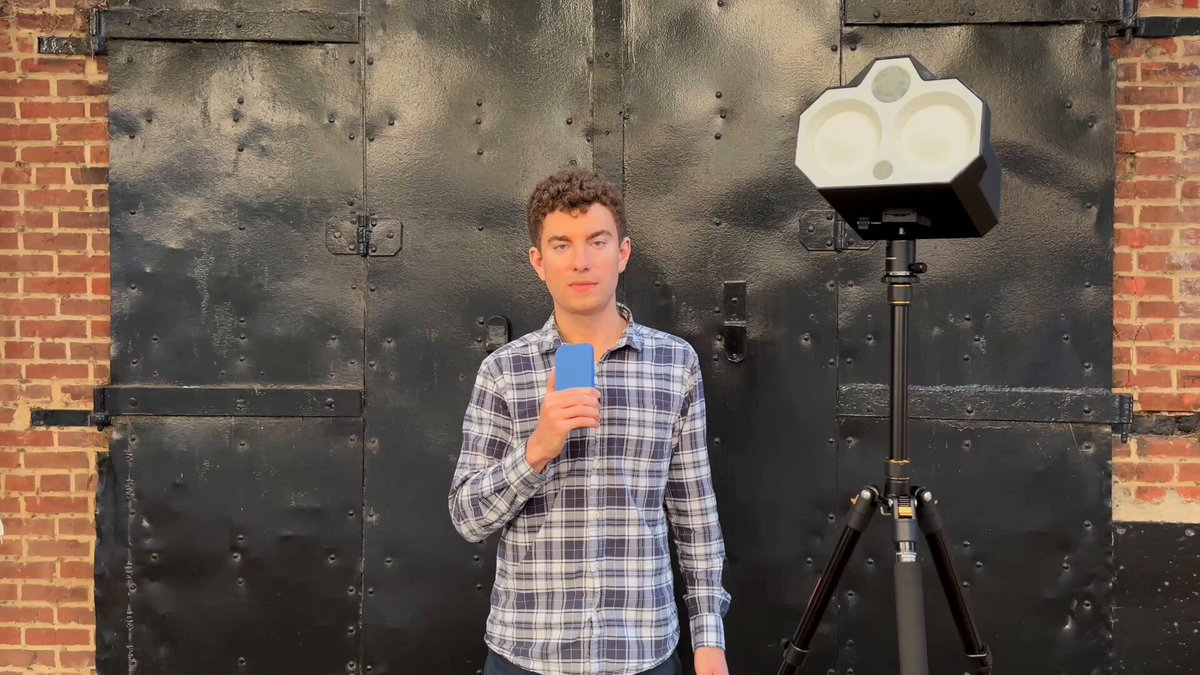
Radar Basics: Too many people confuse Radar detection with tracking. People talk of tracking at 300+ km. This is a physical impossibility imposed by the speed of light. In this video I try to explain radar basics for BVR targets & the difference between detection & tracking

12,159 views • 1 year ago •via X (Twitter)

3 Comments

shiv_cybersurg's profile picture
shiv_cybersurg1 year ago

On @YouTube

StealthGPT's profile picture
StealthGPT2 years ago

The Rumor is true: StealthGPT is the only AI platform that beats Turnitin AI Detection

E.R. Sakthivel DFI's profile picture
E.R. Sakthivel DFI1 year ago

Modern BVR has buddy guidance Theoretically an AWACS can give a probable target track fr a Lock On Before Launch ( LOBL) of 300 km range #DRDOGandiva class SFDR powered BVR. Once the missile closes in it uses it's own IR or radar seeker. No need fr launching fighter radar

Related Videos

❗️❗️❗️🇺🇦🇫🇷 GOOD NEWS | “Following yesterday’s agreement with Emmanuel Macron, Ukraine will test a new SAMP/T air defense system capable of intercepting ballistic targets. At the moment, it is the only European alternative to the Patriot system. We expect to receive it from France this year,” — Zelensky said. 🔵 To clarify the situation: 🔹 According to previous reports, Ukraine has already received two SAMP/T air defense batteries from France and Italy, but they cannot currently intercept ballistic missiles, as they lack the latest anti-ballistic interceptors and modern radars required for that mission. The previously supplied ASTER-15 air defense missiles, with a range of about 30 km, are mainly designed to intercept aerodynamic targets such as cruise missiles, aircraft, helicopters, and drones. 🔸 Zelensky’s latest statement suggests two important developments regarding the upgrade of these SAMP/T systems to counter Russian ballistic missiles: 1️⃣ The deployment of the modern AESA radar Ground Fire 300 — a multifunctional radar capable of detection and target tracking at distances of 400–450 km, allowing effective engagement of ballistic targets. 2️⃣ The delivery of ASTER-30 interceptor missiles, equipped with active radar seekers. •Against aerodynamic targets, the range reaches up to 120 km. •Against ballistic missiles: ▪️ ASTER-30 Block 1 can intercept targets at 30–35 km. ▪️ ASTER-30 Block 1NT can intercept ballistic missiles at 45–55 km. 📌 Interceptions are performed at altitudes of approximately 20–22 km.

NSTRIKE

68,954 views • 4 months ago