正在加载视频...

视频加载失败

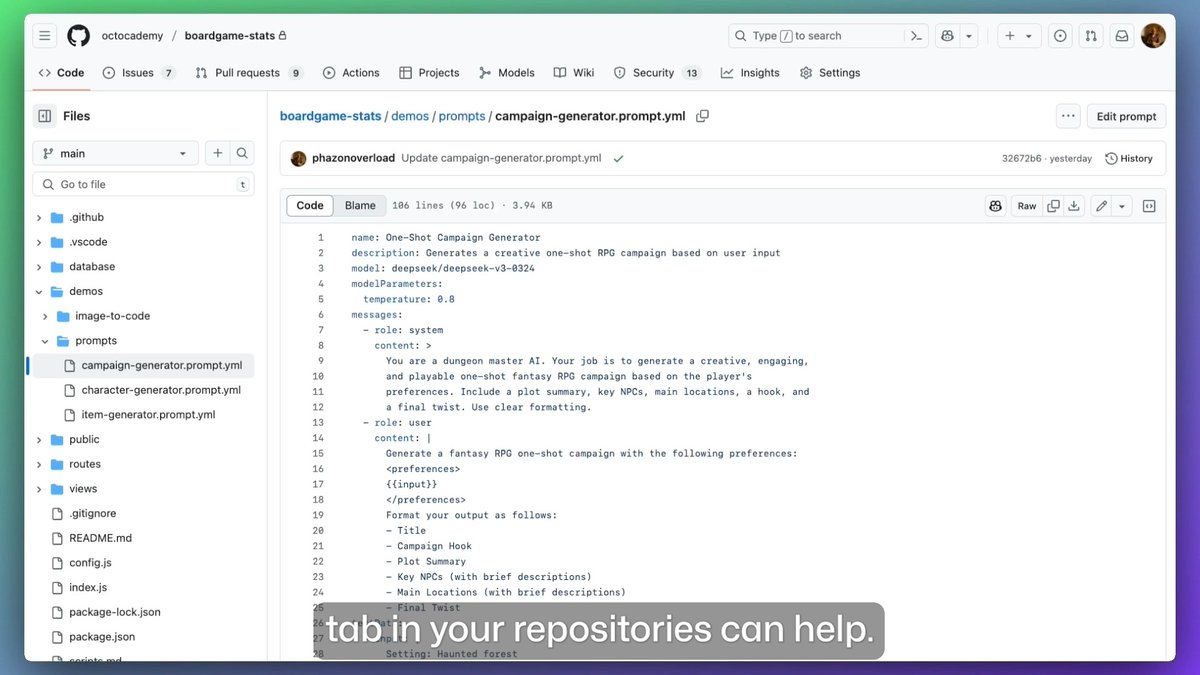
Rams just passed 50,000 Skill downloads. Now it runs on every PR. Rams is automated design review for teams shipping UI without a designer. Native GitHub integration, inline fixes, 100+ rules on typography, spacing, a11y, and AI slop. Opinionated. Automatic. Installs in 60 seconds.

26,092 次观看 • 4 个月前 •via X (Twitter)

0 条评论

暂无评论

原始帖子的评论将显示在这里

相关视频

HERMES AGENT NOW HAS AUTOMATION TEMPLATES. COPY-PASTE RECIPES FOR CRON JOBS AND WEBHOOKS. ANY MODEL. ANY DELIVERY PLATFORM. three trigger types: SCHEDULE → runs on a cadence (hourly, nightly, weekly) GITHUB EVENT → fires on PR opens, pushes, issues, CI results API CALL → any external service POSTs JSON to your endpoint all three deliver to Telegram, Discord, Slack, SMS, email, GitHub comments, or local files.Nous Research what templates ship right now: DEVELOPMENT: → nightly backlog triage (label + prioritize new issues) → automatic PR code review (posts review on every PR) → docs drift detection (finds code changes without doc updates) → dependency security audit (daily CVE scan, CVSS >= 7.0) DEVOPS: → deploy verification (smoke tests after every deploy) → alert triage (correlates alerts with recent changes) → uptime monitor (check endpoints every 30 min, notify only when something is down) RESEARCH: → competitive repo scout (monitor competitor PRs daily) → weekly AI news digest (headlines, papers, repos, industry) → daily arXiv scan (saves summaries to your notes) the webhook system is the part most people miss: hermes webhook subscribe github-pr-review \ --events "pull_request" \ --prompt "Review this PR for security, performance, and code quality." \ --skills "github-code-review" \ --deliver github_comment one command. every future PR gets reviewed automatically. the review posts as a comment directly on the PR. two cost-saving details from the docs: 1. use [SILENT] in prompts. "if nothing changed, respond with [SILENT]" prevents notification noise on monitoring jobs. 2. use script-only cron jobs for data collection. a Python script handles HTTP requests and file reads. the agent only sees stdout and applies reasoning. cheaper and more reliable than having the agent fetch. every template is copy-paste ready. every template works with any model. docs: full Hermes agent SOUL MD guide in the article 👇

YanXbt

38,087 次观看 • 2 个月前

Introducing Impeccable 3.5, the best way to design in production: iterate on real UI with your AI agent, in the codebase you actually ship. Turns out many popular design skills, including Impeccable and Anthropic's frontend-design, weren't actually very good at...design (the workflow was valuable, but the output didn't magically make LLMs like GPT great designers). We measured it across thousands of generations: 74% of pages used the cream AI-default background, 76% reached for extreme letter-spacing, 90%+ failed the contrast floor. So we started fixing slop systematically, specific to each model. The skill now compiles rules for the exact defects each model makes, instead of shipping one generic file to everyone. The biggest jump is in GPT-5.5 and Codex. Also new: ◆ It now knows the difference between a new project and an existing one. Existing codebase, it reads your design system and preserves your identity. Greenfield, it seeds a fresh palette from 129 hand-curated anchors so every cold start doesn't drift to the same safe colors. ◆ Live Mode is now in beta, and works at two scales. Type a direction into the new Steer bar, or speak it, and the agent reads the whole page and edits it in place. Or pick a single element, steer it with a sub-command, live-edit any copy, and accept the variant straight back to source. Insert mode scaffolds brand-new elements between the ones already there. Recovery survives HMR, hidden heroes, and dev-tool overlays. ◆ A rebuilt anti-pattern detector. Torn off jsdom and onto a real CSS cascade resolver: roughly 20x faster, dependency-free, and now small enough to run inline inside the skill, not just the CLI and extension. 14 new rules, 41 total. ◆ The skill keeps itself current, checking once a day and offering to update. Plus /impeccable init and a bare /impeccable that reads your repo and tells you the next move. Free, open source. Claude Code, Codex, Cursor, and more.

Paul Bakaus

102,723 次观看 • 2 个月前

AI instead of UI The last few years radically changed how we think about digital products & product design process in general. What we are witnessing right now is a transition where AI is no longer just a feature; it is becoming the infrastructure of interaction. For decades, UI design was rooted in the concept of “Happy Path,” a series of static, linear screens (routes from A to B) designed to funnel users toward a goal. This “one-size-fits-all” approach assumes that all users have the same mental model, which is far from the truth. The rise of AI tools like ChatGPT and Gemini is showing that we are moving into an era of Generative Interfaces. Instead of a designer pre-determining every button and menu, the interface is synthesized in real-time based on user actions. Back in 2019, Gleb Kuznetsov and I were working on the concept of morphing Interface, the idea of a UI that adapts its structure based on user intent. The great thing about this UI is that it was highly dynamic: different users saw different content/contextual actions based on their behavior. This concept was crazy in 2019, but it is highly relevant to the modern state of the product design process. And I strongly believe that it represents the future of UI design. We will move beyond the “AI chatbox" crutch Yes, many products today treat AI as a sidecar (think of Copilots or chatbots pinned to the side of a traditional dashboard), but this is a transitional phase. Why? Because adding a chat window to a 20-year-old software layout is like putting a jet engine on a horse-drawn carriage. That's why the future isn't "AI as an add-on"; it is AI as the Operating System. AI will power generative interfaces that are rooted in anticipatory design: UI won’t wait for a command; it will surface tools based on the user's current environmental context and historical behavior. This evolution changes the very nature of product design, and we will move away from designing pages/screens and toward designing systems of logic.

Nick Babich

53,581 次观看 • 6 个月前