Video yükleniyor...
Video Yüklenemedi
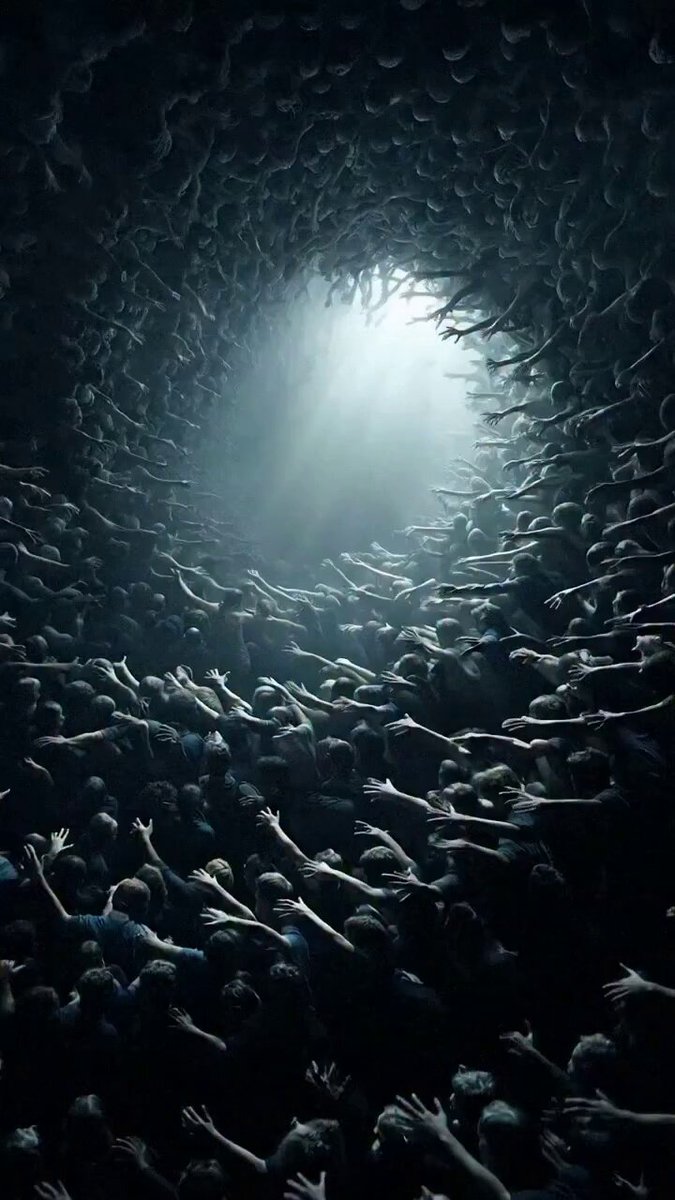
Reality follows a script. What we experience is often the result of long-term planning, symbolism, and repetition. Secret societies don’t rule through force, they rule through codes: images, events, narratives, timing. In that framework, there are no truly organic accidents. Crashes, crises, and “coincidences” are staged within a symbolic... show more
155,537 görüntüleme • 9 ay önce •via X (Twitter)
34 Yorum

If I keep googling things everything seems connected right

this goes hard if you’re really dumb

so basically we’re all just pawns in a massive code game right

Dimitri i must confess you're doing some great and awesome works with these exposé just that the videos goes so fast one can't quite follow the threads you weave

This is actually next level retarded. The 90iq audience will suck this up

Some of these are interesting. But honestly. If I google random shit enough I will find a coincidence everywhere

c'est pas possible que le scénario soit écrit tant de temps à l'avance. soit il voyage dans le temps, soit nous sommes tous stupide pour ne pas voir ce qu'il se passe et que nous sommes tous le truman

Your content is great, however after seeing that you fell for the flat earth psy op I cannot help but thinking that you could be part of the cabal, and that you're just doing the "sin cleanse" by confession for them. It's very sad and disappointing.

You need to go touch grass bro. Your recent 'connections' are getting goofy.

Tom Hanks is a revered occult elite figure and I see heaps of MSM stories evoking his name and movies. There's a persuasive theory that he's a Rockefeller. This recent story is about woman who *fell* from *rocks* at Cape Schanck. See the spelling🪄?

Thread on Elvis in Donnie Darko (see jewrassicliars Lives for top decodes) on the Trump/Elvis antichrist duo:

Literally a schizophrenic-like post. Seek immediate mental help.

You are brilliant my friend

Thank you for this great video! Take a look at this article that talks about a shareholder's meeting that took place at the exact same time of Vince's 'accident' where EA sports and EA games will be acquired by the Saudis for $55 billion. So did he fake his own death for the $20 billion his company was in debt or did someone kill him so he couldn't be apart of the $55 Billion dollar acquisition. It's one of the two

We live in a simulation

Wait, that was Vince Zampella in the car crash? 🏃♂️💨

Ok gpter

Now google.. too much time on my hands and see what comes up.

The #NSA tried to kill me two months ago! F$$k the American Government

Tu vas mal finir … précise que t’es pas suicidaire :p

I didn't believe the Q stuff, but Diddy l didn't he say to follow the white rabbit? Or was that the matrix?

Give @gematriaeffect his flowers you’re repeating stuff he’s been saying on the internet for 10 years plus

You say watch documentary in bio, but there is no bio nor a link from your film? Keep up the awesome Work

Bro thinks he cooked

One massive croc of shit. Next.

Any flat earther just looks for connections for no reason You are a retard

Look into satans little season.., I’m pretty sure we will be seeing the return of Jesus Christ in 2026

Where does Keith urban fall into this? I just know that man is up to no good

Conspiracy bros are getting out of hand.

So much graphics and editing just to look like a complete imbecile… holy fuck

Bien joué l’ami 😉

I completely agree 👍……

Videos like this are so fucknn retarded. Things don’t just happen more. Everything is fuckn conspiracy…

“My unemployed friend on a random Wednesday “