Загрузка видео...
Не удалось загрузить видео
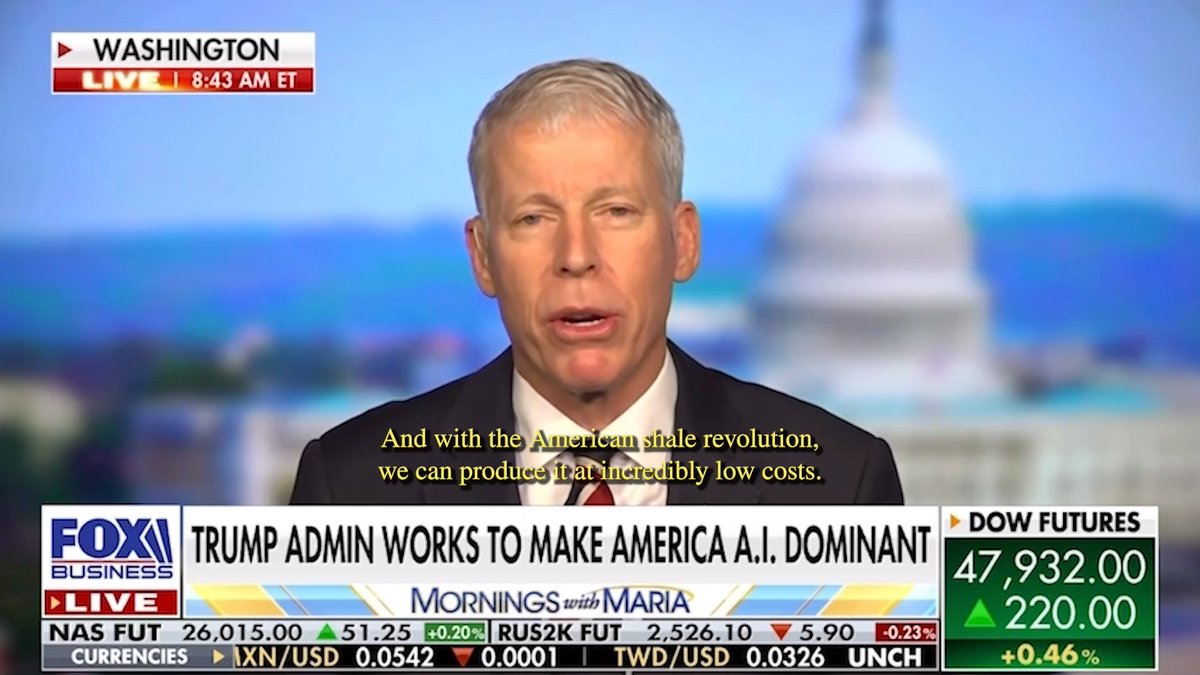
Rising energy demand is half the equation. The harder question is whether infrastructure and capacity can grow fast enough to deliver energy where and when economies need it. ADIPEC 2026 puts this question on the table. Join > ADIPEC Partner. Adding supply without expanding the infrastructure that delivers and... show more

58,302 просмотров • 2 дней назад •via X (Twitter)
Комментарии: 4

@ADIPECOfficial Capacity growth is key to meeting energy demand needs

@ADIPECOfficial Well said!

@ADIPECOfficial supply is the headline, delivery is the constraint, a gigawatt that can't reach the plant that needs it is worth less than half a gigawatt sitting next to it, grid buildout is the part that decides who actually gets to scale

My personal reading of this is that the challenge goes beyond rising energy demand itself. From my experience in the power sector, I see it as a question of whether demand growth can remain aligned with three capabilities: planning, organizational coordination, and execution. Demand may grow quickly, but power infrastructure has much longer planning, investment and construction cycles. If we cannot anticipate where demand will emerge, what capacity will be needed, and how generation, grids, storage and digital infrastructure should evolve together, bottlenecks are almost inevitable. My own view on the solution is that we need to think beyond individual infrastructure projects and move toward an integrated grid platform. Such a platform should connect demand forecasting, grid planning, infrastructure development, operations, data and intelligent decision-making. Demand should inform planning; planning should guide investment and construction; operations should continuously feed reality back into planning. But for this to work, the grid itself also needs to become more transparent and understandable — not only its current status, but its structure, relationships, mechanisms and decision logic. I recently wrote about this based on my own experience and thinking about the future grid. It explains in more detail why I believe these layers of transparency could become an important foundation for AI to truly enter power systems: This is only my personal perspective from years of working with power systems, but I believe the infrastructure question you raised is ultimately also a question of how we plan, organize and operate the grid as one evolving system.