Video yükleniyor...

Video Yüklenemedi

Ana Sayfaya Dön

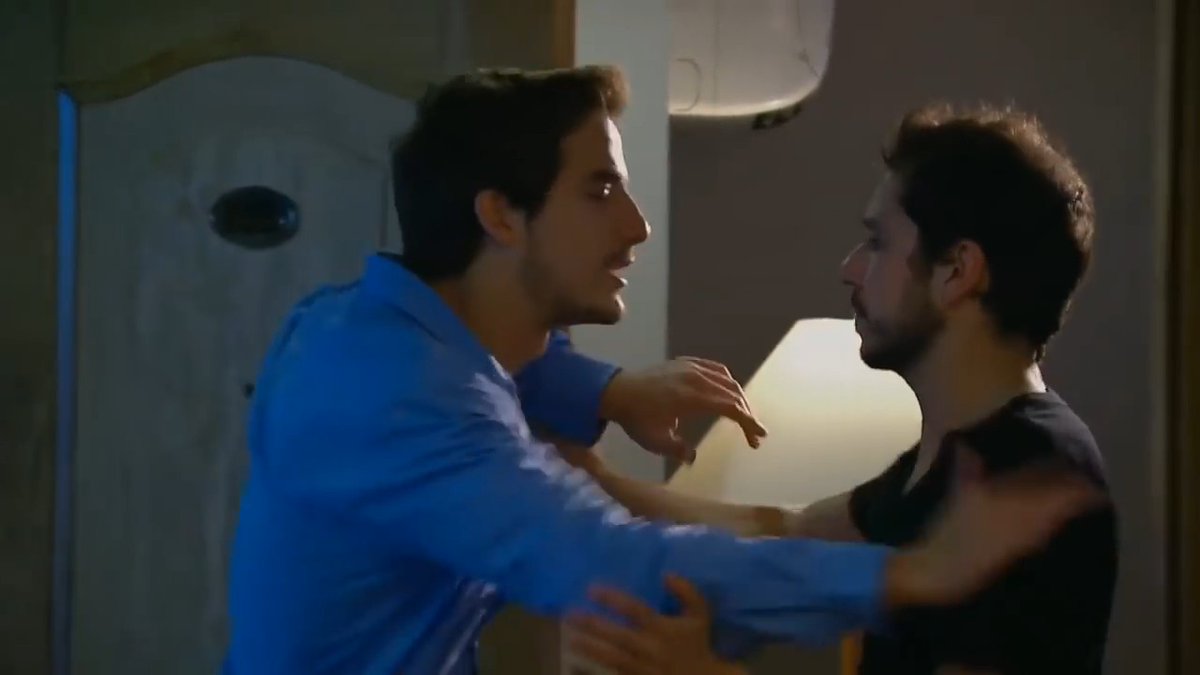
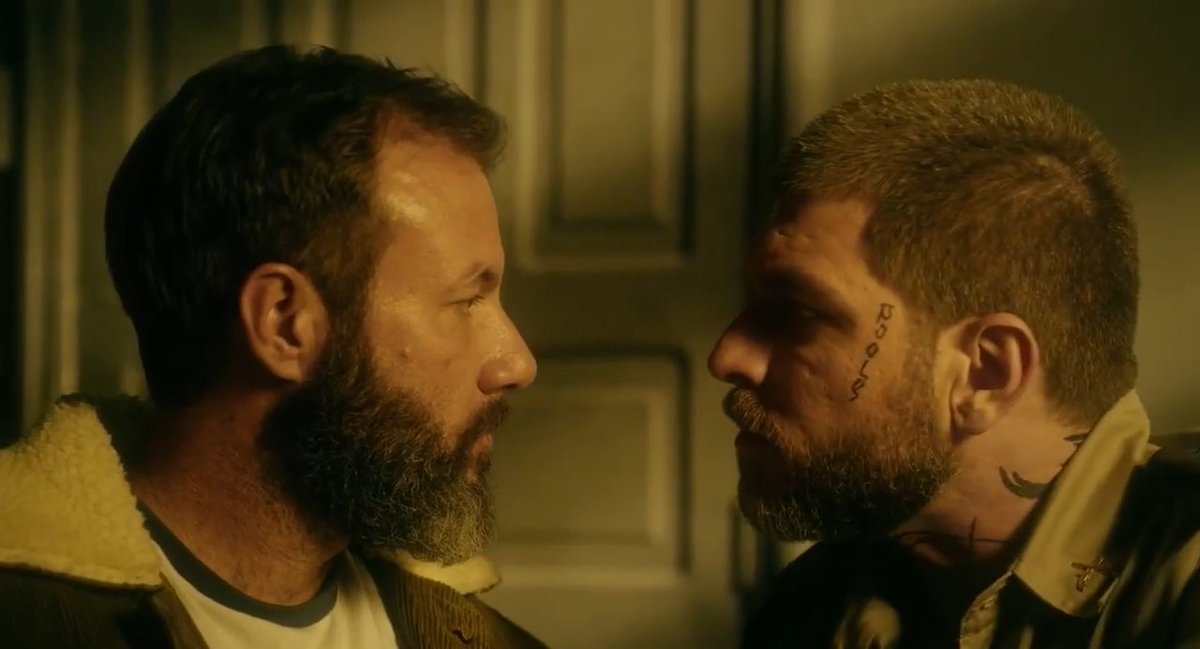
ROBERT ASKED FOR CLARITY… AND BRANDON GAVE HIM AN ANSWER HE COULDN'T ARGUE WITH. The conversation starts with Robert trying to figure out where Brandon's head is before the black-tie event. They're talking about their relationship, the connection between them, and what this whole situation actually means. Then the...

38,791 görüntüleme • 23 gün önce •via X (Twitter)

0 Yorum

Yorum bulunmuyor

Orijinal gönderinin yorumları burada görünecek

Benzer Videolar

They were talking about a 5:30 a.m. load-out. Then somebody counted them in, and the room changed. That little detail is what makes this clip interesting to me. There is no big story being acted out, no expensive set, no attempt to make the song look like something it isn't. You are watching people in a studio talking about getting the gear out at 5:30 in the morning, and then, almost casually, they start playing. For a few seconds it feels more like work than performance. Then Timothy B. Schmit starts singing, and suddenly the whole thing makes sense. “I Can't Tell You Why” has always sounded like a song that is trying not to disturb anybody. Even when the words are about a relationship that is falling apart, the music doesn't push the argument forward. It seems to sit in the room and wait. The bass doesn't hurry. The drums don't demand attention. Schmit's voice is soft enough that you almost have to lean toward it. Maybe that's why the studio setting suits it better than a traditional music video would. There is something very believable about hearing a song this restrained from a group that spent years making records with very little room for mistakes. You can see the machinery of the session around it: people talking, instruments waiting, the practical business of making a record. And then the song arrives without announcing itself. I like that. A lot of music videos from that period tried to turn a song into a little movie. This clip does something almost opposite. It leaves the song alone. You get the sense that these musicians could have been there at an unreasonable hour, tired, surrounded by cables and equipment, and someone simply said, “Let's do it.” Then they count. And Schmit sings about something people often struggle to explain even when they have plenty of time to explain it: why two people who still care about each other can keep hurting each other. There isn't always a clean reason. Sometimes the relationship has simply reached a place where knowing what is wrong doesn't tell you how to fix it. That is probably the most honest thing about the song. It doesn't solve the problem. It doesn't even pretend to understand it completely. It just stays with the question. And maybe the 5:30 a.m. conversation belongs in the song more than we realize. Everyone eventually has to pack up and leave. The equipment gets loaded. The lights go off. Another night's work is finished. But before they go, there is this small piece of music that refuses to behave like a job that can simply be checked off a list. Someone counts four beats. They play. For a few minutes, nobody needs to tell anybody why.

THE DAILY LENS

17,481 görüntüleme • 21 gün önce

Some songs make you remember a person. “A Different Corner” makes you wonder what would have happened if you had never met them. Watching George Michael perform the song on Parkinson, I kept coming back to how little there is between him and the music. There is no elaborate production to distract you, and no attempt to turn the performance into a grand moment. He simply sits with the song and lets it unfold at its own pace. That suits “A Different Corner” because the song has never needed much decoration. Its strength comes from the feeling that someone is looking backward, trying to understand how a relationship could have changed so much simply because two people happened to meet at the wrong — or perhaps the right — moment. Michael's voice carries that uncertainty beautifully. He doesn't sing as though he has finally figured everything out. There is control in the performance, but the control never feels cold. If anything, it makes the emotion more convincing, because the sadness is allowed to stay underneath the surface rather than being pushed toward us. The title keeps returning to my mind. A different corner. Such a small phrase for something that can contain an entire life. We tend to imagine the past in large pieces: another relationship, another career, another city, another version of ourselves. But regret rarely begins that way. More often, it starts with one tiny detail. A conversation we almost didn't have. A place we nearly didn't go. A decision that seemed insignificant at the time. Change that one thing, and the imagination immediately starts writing another story. That is what makes this performance feel so intimate. Michael isn't really asking us to feel sorry for him. He is sitting with a possibility that cannot be tested anymore. Whatever happened, happened. There is no alternate version available to compare with the one he lived. And perhaps that is why the song doesn't feel tied to the decade in which it was written. The television studio may look dated now, but the question at the centre of the song hasn't changed. What if? Almost everyone has one. A different person we might have stayed with. A different road we might have taken. A different corner we might have turned. We never get to find out. George Michael doesn't try to answer that question. He just sings from the other side of it, where all that remains is the life that actually happened. Maybe that's why this performance still feels so close. It isn't really about changing the past. It's about knowing you can't.

Emotion & Music

63,492 görüntüleme • 29 gün önce