Video yükleniyor...
Video Yüklenemedi
Rotation speed of galaxies.

40,726 görüntüleme • 1 yıl önce •via X (Twitter)
10 Yorum

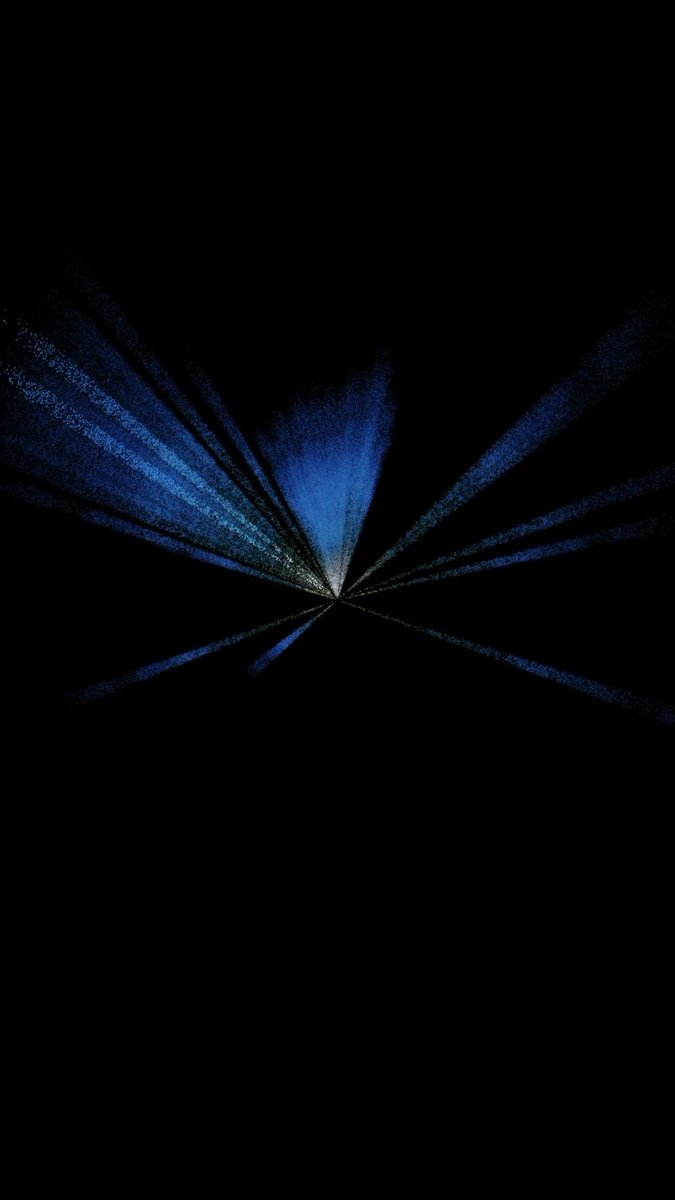
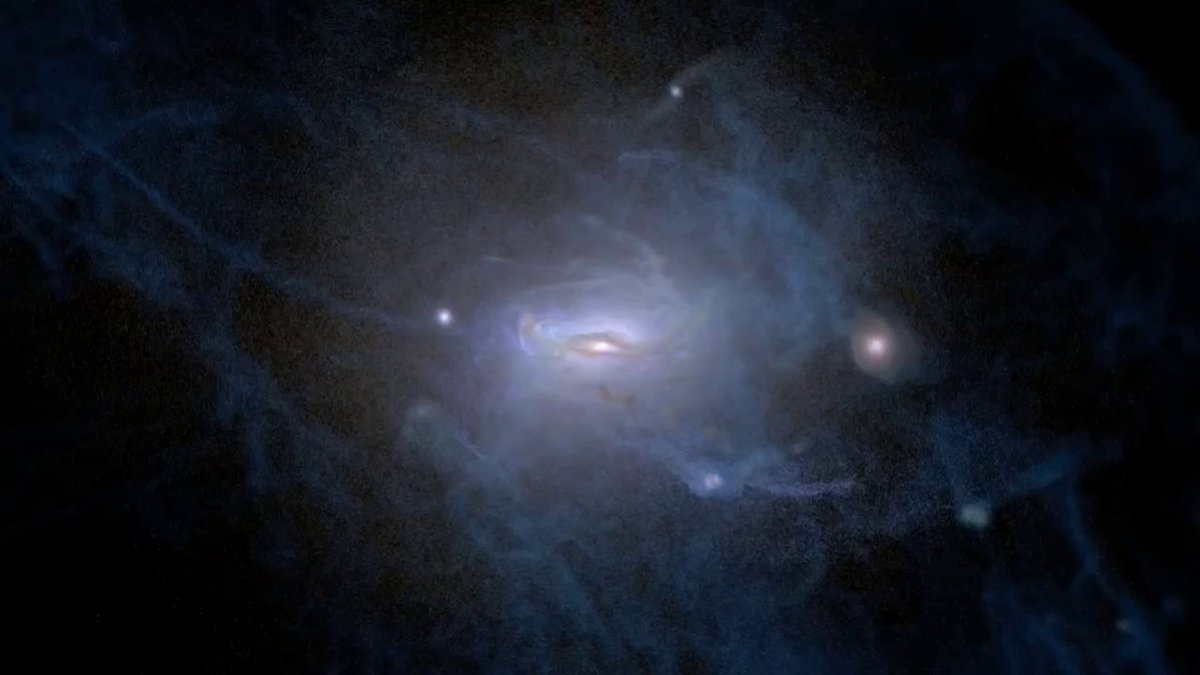
The animated gif, shows that all parts of these galaxies rotate with the same angular speed -- as if they were solid discs. But of course that is not accurate. Exactly because the stars all move with approximately the same linear speed (km/s) -- inner stars sweep around quickly (higher angular speed), and outer stars crawl (lower angular speed), even though both may move at the same linear speed. This is called differential rotation, and it’s essential to how galaxies behave.

All speeds are approximate, as indicated.

Rotation speed can't be measured in km/s.
Actually, rotation speed CAN be measured in km/s, and it often is in astrophysics. It refers to the orbital velocity of stars or gas around the galactic center. So when we say a galaxy has a rotation speed of, say, 220 km/s, we mean that material at a certain radius is moving at that speed around the center. It's a standard way to express it in galactic dynamics.

It's interesting that these are all roughly in the same ball park, especially when the hidden effects of dark matter are probably the determining factor. And that's where it's interesting, because why have a disk at all? Does the dark matter also rotate?

What are the radius and mass ranges of those galaxies?

It seems that these galaxies rotates almost all the same speed. I wonder.

Awesome information and GIF. Thanks.

Same speed near the center all the way to the outer edge And yet nothing flies off them Dark Energy Dark Matter

So we're kind of in the middle, not showing off, not falling behind.