正在加载视频...

视频加载失败

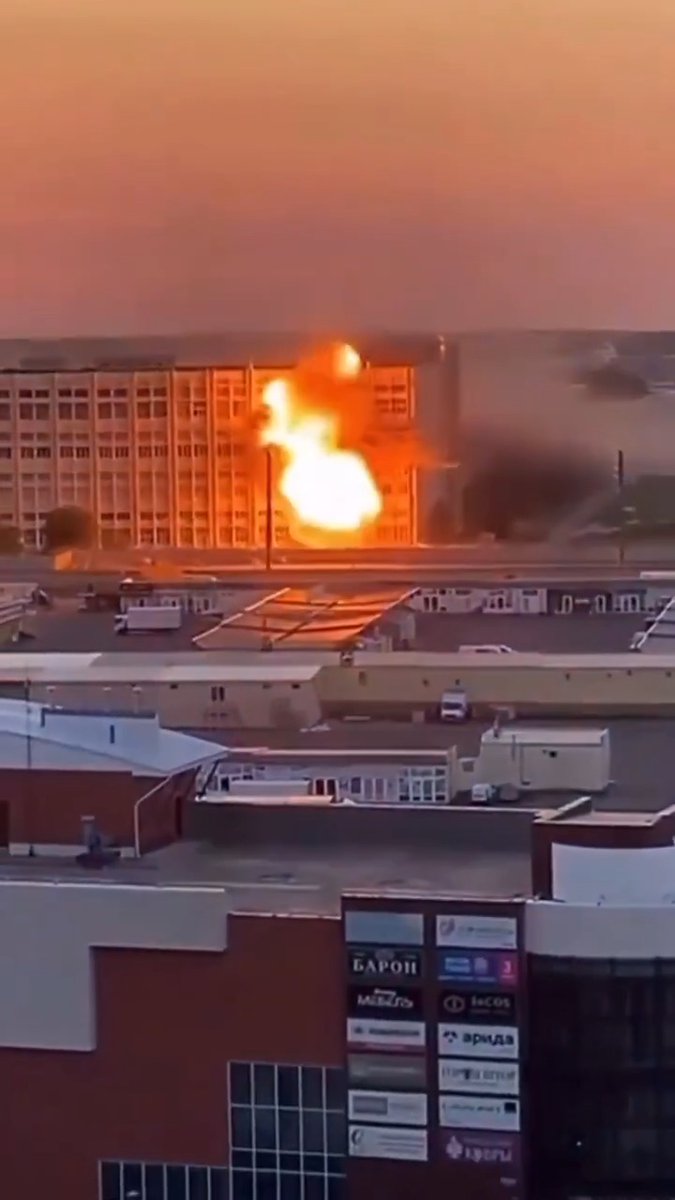
Russia Geranium CHEAP drones now cut through electronic warfare defenses. In a recent strike, just 2 Cheap drones destroyed a $5M HIMARS system & an ammo resupply vehicle. Once again exposing the growing tech & cost imbalance facing Ukraine & NATO.
18,056 次观看 • 4 个月前 •via X (Twitter)

0 条评论

暂无评论

原始帖子的评论将显示在这里

相关视频

🚨America Just Changed the Economics of War… With Light For years Iran built a strategy around one brutal equation. Launch thousands of cheap drones. Force the defender to burn through million-dollar interceptors. Bleed the defense dry. It was simple math. A Shahed drone costs roughly $30,000. Stopping it with traditional missile defenses can cost hundreds of thousands… sometimes over a million dollars per intercept. Repeat that attack a thousand times and suddenly the defender is spending billions just to stay alive. Iran understood this. They designed an entire doctrine around it. Flood the sky with cheap weapons. Overwhelm air defenses. Make defense more expensive than offense. But something just changed. The United States Navy has now deployed HELIOS, a directed-energy weapon mounted on an American destroyer operating near Iran. HELIOS is not a missile. It is a laser. And it runs on something every warship already produces… Electricity. No missile to reload. No magazine to empty. No resupply ship needed. As long as the ship’s generators are producing power, the weapon keeps firing. That means the cost of stopping a drone is no longer measured in missiles. It is measured in electricity. In practical terms… Destroying a $30,000 drone can now cost less than the power bill of a large apartment building. That single change breaks the entire economic foundation of drone saturation warfare. For years Iran invested in the strategy that made Shahed drones valuable. Cheap. Numerous. Disposable. But if directed-energy weapons like HELIOS can burn drones out of the sky at near-zero cost… The math flips. Suddenly the attacker is spending money… while the defender spends almost nothing. CENTCOM has already released footage showing HELIOS mounted on a U.S. Navy destroyer in waters near Iran. Earlier tests confirmed the system successfully destroyed multiple drones during live trials. Now the system is deployed where hundreds of Iranian drones and missiles have been passing through the same airspace. This is not a laboratory experiment anymore. This is a real battlefield. And the world is about to find out whether the future of missile defense is not another interceptor… But a beam of light. Because when America decides to change the physics of war… It usually succeeds. #SilentMajoritySpeaks #AStoneGroove

A Gene Robinson

790,404 次观看 • 5 个月前

🚨🇺🇦🇮🇷THE DRONE WARS ARE REWRITING HOW THE WORLD FIGHTS For decades, military power meant expensive hardware: stealth jets, cruise missiles, precision weapons costing millions. Ukraine and Iran just proved something uncomfortable: You can challenge that power with $20,000 drones. Iran’s Shahed drones, now used heavily by Russia in Ukraine, cost roughly $20,000 to $50,000 and are built to be produced in huge numbers. Launch dozens at once and even the most advanced air defenses struggle to keep up. Shooting them down with multimillion-dollar interceptors quickly becomes a losing economic battle. Ukraine has faced tens of thousands of these drones since 2022 and has been forced to improvise a new style of warfare in response. Instead of relying solely on expensive missile systems, Ukrainian forces developed cheaper counters: machine-gun teams, electronic warfare. interceptor drones costing only a few thousand dollars. The lesson is spreading fast. Countries watching the Ukraine war, and Iran’s growing drone campaigns in the Middle East, are realizing the future battlefield won’t be dominated by a handful of exquisite weapons. It will be dominated by swarms of cheap ones. Factories, not fighter jets, may decide wars. And the real contest will be economic: who can produce drones, interceptors, and countermeasures faster and cheaper. The drone wars in Ukraine and Iran aren’t just regional conflicts; they’re the world’s first glimpse of a new military reality. One where air power no longer belongs only to nations that can afford billion-dollar air forces.

Mario Nawfal

130,587 次观看 • 5 个月前