Video wird geladen...

Video konnte nicht geladen werden

Zur Startseite

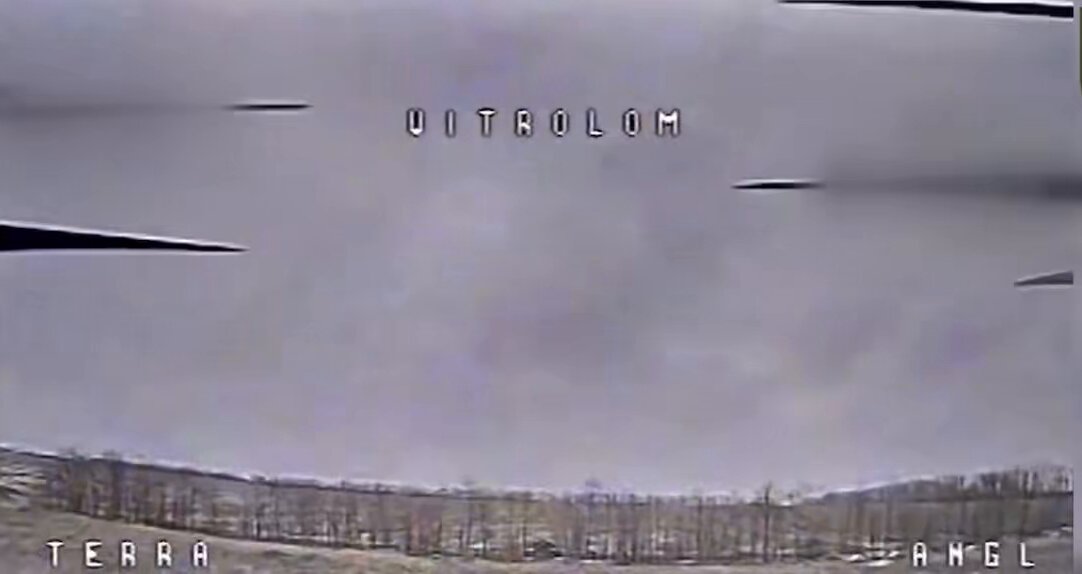
Russian fixed wing reconnaissance drones like this ZALA-16 continue to use a rear-facing camera to spot attacking Ukrainian FPVs. The Russians claim evasive maneuvering is initiated automatically. Whether by algorithms or pilot, here three FPVs were lost in unsuccessful attacks.

681,777 Aufrufe • vor 1 Jahr •via X (Twitter)

0 Kommentare

Keine Kommentare verfügbar

Kommentare vom Original-Post werden hier angezeigt

Ähnliche Videos

Slow Progress is the New Reality of Modern Wars There are many people commenting on Russian difficulties and coming up with numerous reasons for their alleged collapse. I absolutely do not see any collapse; on the contrary, Russia has already normalized a state of war in Ukraine, which boosts its economic and industrial growth. The difficulties faced by Russia today are the same as at the beginning of the war, with soldiers having to spend up to half of their initial salaries on their own equipment, delays in pensions, and a series of other problems that are mirrored on the Ukrainian side, even with all the support from allies. The war today is much less lethal than it was months ago, and both Russian and Ukrainian losses have significantly decreased during this phase. Lethality has fallen, but Russian advances persist. And why are they slow? Is it a Ukrainian tactic? No. They are slow because they are accompanied by the deployment of communication infrastructure like signal repeaters for drones, the advancement of artillery guided by drones, maneuvers using FAB and more recently ODAB bombs against Ukrainian drone operators' facilities, infiltration by reconnaissance teams, saboteurs, and a series of protocols they have developed. That conventional war with rapid advances no longer exists, and in the context of a battlefield dominated by drones, it is unlikely to return. Modern wars will have slow progress, as seen in the attacks and counter-attacks of the Russians and Ukrainians in this war. Contemporary military forces are still unable to see this new reality of war. When analyzing the Russian advance, it's important to consider that all these maneuvers take days to unfold, but the point is that the Russians have already adapted to this pace, not bothered whether a particular advance will take 3 weeks or 3 months. They advance continuously following tactical protocols with little threat from Ukrainian forces, which, without new equipment, have had their defensive tactics remain almost unchanged over the past two years, relying mainly on drones and making it easier for Russian studies of countermeasures. And what can Ukraine do in this situation? I see few options, but one would be to delay the Russian advance with a good number of missiles, though personally, I find it unlikely that they will reach Ukrainian hands. It wouldn't have the power to change the balance of the war, but it would guarantee more time, which is important because the battlefield is dynamic, and the implementation of new tactics based on innovative weapons can change everything overnight. A war that seems almost lost today could take a different turn in weeks. Time is crucial for Ukraine, which has fronts only about 130 km from cities like Zaporizhia and Dnipro.

Patricia Marins

39,318 Aufrufe • vor 11 Monaten

🇺🇦 🇷🇺 At night, Ukrainian kamikaze drones struck an electrical substation near railway lines in the Luhansk region. In the Donbas region, Ukrainian drone strikes on electrical substations located near railway lines serve several critically important military and tactical objectives. The Russian army relies heavily on railways for logistics and supply to the front line. Therefore, intensified attacks on these nodes in recent weeks directly affect their combat capabilities. 🇷🇺 The Russians use electrified railway networks to transport heavy equipment (tanks, armored vehicles), ammunition, and manpower in the occupied territories. ▪️ Disabling substations cuts off electricity to the contact lines, causing trains to stop, creating “traffic jams,” and completely disrupting the pace of front-line supply. 🧨 By destroying substations at key nodes, Ukrainians force the enemy to transport cargo by trucks instead of rail. Transporting large quantities of artillery shells and armored vehicles by road is much slower, more expensive, and easily detectable by Ukrainian reconnaissance and medium-range loitering kamikaze drones. These strikes represent a highly effective strategy of systemic logistical disruption. By targeting critical energy infrastructure that powers the railway network, Ukraine is creating bottlenecks in Russian supply lines. Forcing the shift from rail to road transport significantly increases vulnerability and slows down the delivery of essential supplies to the front, giving Ukrainian forces a clear operational advantage. Video is generated by grok AI

Visioner

91,953 Aufrufe • vor 1 Monat