正在加载视频...

视频加载失败

Seated Rest Pose 360° Figure Reference. Every angle matters. #FigureReference #ArtReference #MaleFigure
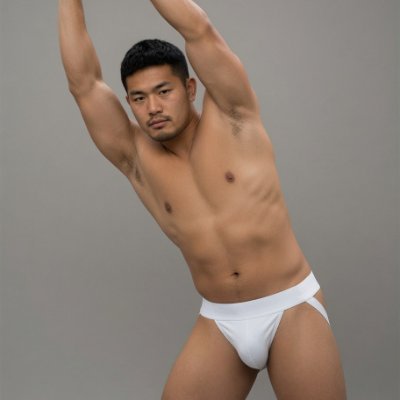
35,426 次观看 • 1 个月前 •via X (Twitter)

0 条评论

暂无评论

原始帖子的评论将显示在这里

相关视频

📖THE STEP MOST CREATORS SKIP IS WHY THEIR AI ANIMATION LOOKS INCONSISTENT Consistency across clips doesn't come from prompting — it comes from the reference image. The pipeline, step by step: ▪ Start with ChatGPT Image 2 — generate a full character design sheet first, not just a single frame. Multiple angles, expressions, and outfit variations in one image keeps the character consistent across every scene ▪ Build a storyboard inside ChatGPT Image 2 as well — define each shot, camera angle, action, and mood before touching Seedance at all. This is the step most people skip and it's the reason clips look disconnected ▪ Define a color palette and lighting mood early — golden afternoon light, soft warm tones, dramatic shadows. Lock those values and repeat them across every prompt ▪ Take each storyboard frame into Seedance 2.0 as the reference image — one frame becomes one clip ▪ Write the Seedance prompt around the character action, not the scene description. The scene is already in the image. The prompt handles motion, camera behavior, and timing ▪ Keep clip duration between 4-6 seconds per shot — shorter clips give more control over pacing and reduce motion drift on character faces ▪ Match camera movement type across consecutive clips — if one shot dollies in, the next should hold or pull back, not dolly again The consistency across these frames comes from the character design sheet, not from luck. Seedance reads the reference image and the prompt together — if the reference is detailed enough, the output stays on-model. This video was created by ALOKXMEHTA 📥 tomorrow: the exact ChatGPT Image 2 prompt structure used to generate a multi-angle character design sheet like this one 🔖One article covers the entire workflow — it is pinned below, do not scroll past it.

Zentrix⌚️

14,015 次观看 • 2 个月前

I encourage attackers to drive at the hips of defenders for a few reason; — 1v1 is a duel of footwork (momentum) & angles, the avenue to space is through an angle which can disrupt the opponent’s footwork (momentum) — It offers big-space players a reference to be successful in small spaces — Directly confronting the defender (driving/touching the ball towards their hips [centre]) means you’re moving into their ‘personal space’, which naturally makes humans uncomfortable, increasing the probability for the defender to make an impulsive reaction to your action. • We know Garnacho’s relationship with the ball isn’t watertight, a consequence of his narrow footwork, which reflects in his dribbling & shooting actions —> more specifically, his inability to make many multi-directional touches in his stride + his loose connections with the ball. Because of this he’s more likely to pose threat in bigger spaces, as he’s a willing goal-getter & has fair speed, but struggles to manufacture big enough space for his key actions when the opponents congest space deeper. • What trumps all of this is Garnacho lacking methodology in his dribbling, which would help him maximise his strengths & minamise the affect of his weaknesses. Garnacho drives towards the goal with the intention to cut inside and open an angle on his strong foot, but this angle of approach keeps the defender parallel to the ball (good momentum & maintain footwork) and closer to the space inside that Garnacho wants to take If he had driven at the hips (squared his man up) he could’ve; = pushed the opponent’s momentum onto back foot = reduced the need for sharp COD touches to access the inside angle (his weak point) & maintain his own momentum = kept open bigger space either side of him If you want big space, you have to make it. Targetting the defender’s central point within their personal space can support this.

.

17,576 次观看 • 1 年前