Loading video...

Video Failed to Load

Go Home

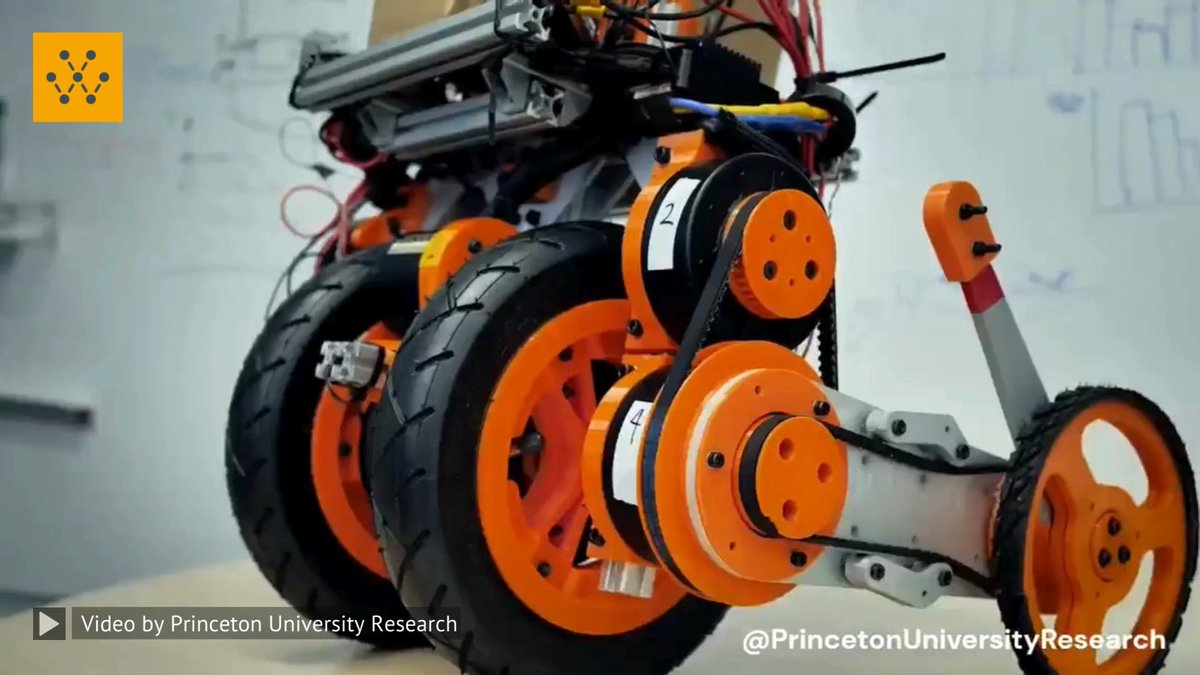
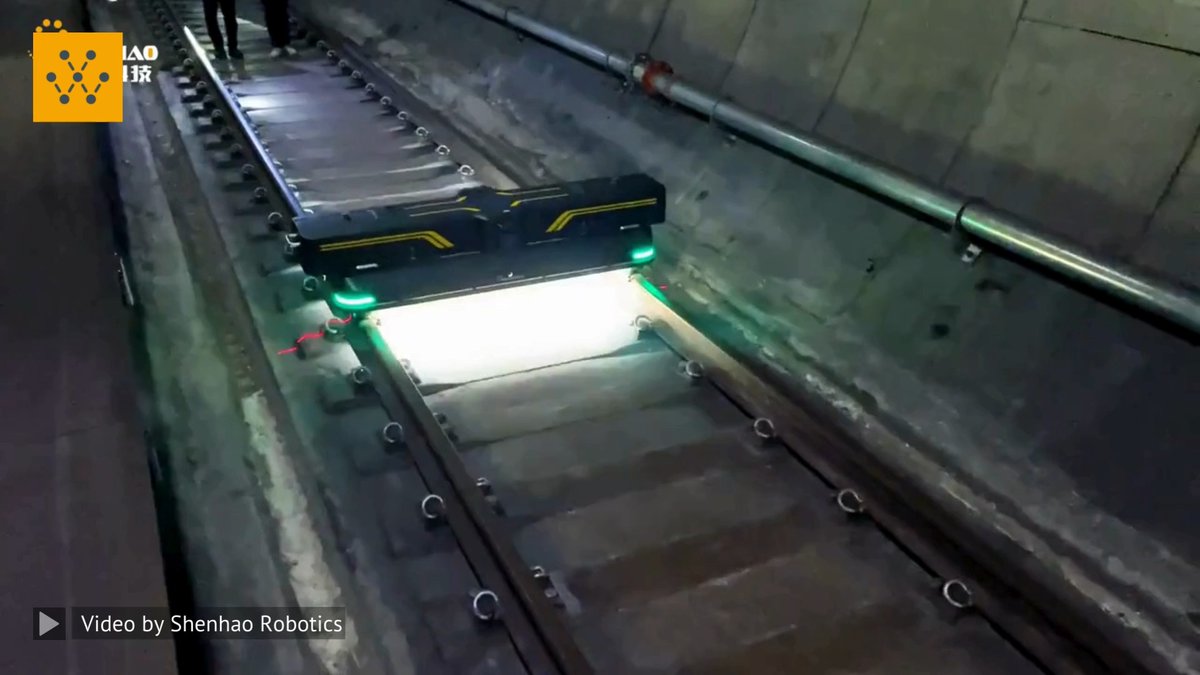
Self-Operating #Robots Keep Solar Panels Clean Without Human Intervention by 🇨🇳XuZhenqing徐祯卿 #Robotics #Innovation #EmergingTech #TechForGood #Technology

0 Comments

No comments available

Comments from the original post will appear here

Related Videos

A Breakthrough in Robotics: Spherical Gears Enter Mass Production Spherical gears, the kind of joint that would allow a robot to move like a human shoulder, have been notoriously difficult to manufacture with high precision. That's changing, thanks to a new design and a path to mass production that could have a huge impact on robotics. The breakthrough comes from a new design called the ABENICS spherical gear, developed by researchers at Yamagata University. This innovative mechanism enables a joint to move in three degrees of freedom without the slippage issues of earlier designs. It achieves this by using a "cross-spherical gear" that meshes with one or more "monopole gears." Mass production is now on the horizon. Although the initial manufacturing of the gears was inefficient, Nissei Corporation improved the process and established the necessary technology. The companies Kanematsu and Nissei have now entered the marketing phase, with production expected to begin in 2027. The impact of this technology is significant. Mass-produced spherical gears are expected to enable highly versatile and efficient robotic limbs. ► Humanoid and Mobile Robots: The design allows for compact, high-torque ball joints ideal for creating versatile and efficient robotic limbs. ► Aerospace: Potential applications include deployment mechanisms for satellite solar panels. ► Other Industries: The technology is also being explored for its potential to enhance productivity in healthcare, nursing care, and restaurants.

RoboHub🤖

384,844 views • 10 months ago

A Few Thoughts on Robotics The criticism that robotics can only be used in a rather one-sided way is, at the same time, the solution to the problem. What do I mean by that? Since the Industrial Revolution, humanity has increasingly made production methods more efficient. Fordism introduced assembly line work, but this comes at the expense of monotonous, repetitive tasks. On the one hand, immense wealth has been created; on the other hand, countless people suffer from repetitive tasks, which are a direct consequence of that industrial revolution and the division of labor- in other words, assembly line work. The debate about whether AI and robotics could impact the labor market is answered in different ways. I have a clear opinion on this: Up to now, technology has merely been an augmentation, an improvement of human labor to make it more effective. Robotics and AI, however, represent a qualitative break with this situation. For the first time in human history, it won't be humans who become more efficient, but rather replaceable, insofar as human augmentation becomes *less* efficient than replacing human labor with robotics. In just a few years, a human using technology will simply be less efficient than a robot that doesn't know an eight-hour day, weekends, or holidays, but can perform monotonous tasks 24/7 on an assembly line without breaking down due to physical ailments or needing medical attention. Wear and tear simply means replacing specific parts of the robot. To return to the initial question: production doesn't require general-purpose robots capable of performing a wide variety of tasks, but rather specialized robots that excel at the specific tasks for which they are needed. Figure02 vividly illustrates why this is only now possible: even the simplest assembly line work still requires delicate manual dexterity because the production line is designed for human hands. This breakthrough has now arrived, but AGI (Automated Generating Intelligence) isn't necessary for robots to be used in production processes. It's sufficient that they can perform monotonous tasks. And that's why I believe 2026 will be the year of the robots. (Clip: Figure02 in production chain at BMW Car-production)

Chubby♨️

15,228 views • 7 months ago