Video yükleniyor...

Video Yüklenemedi

Ana Sayfaya Dön

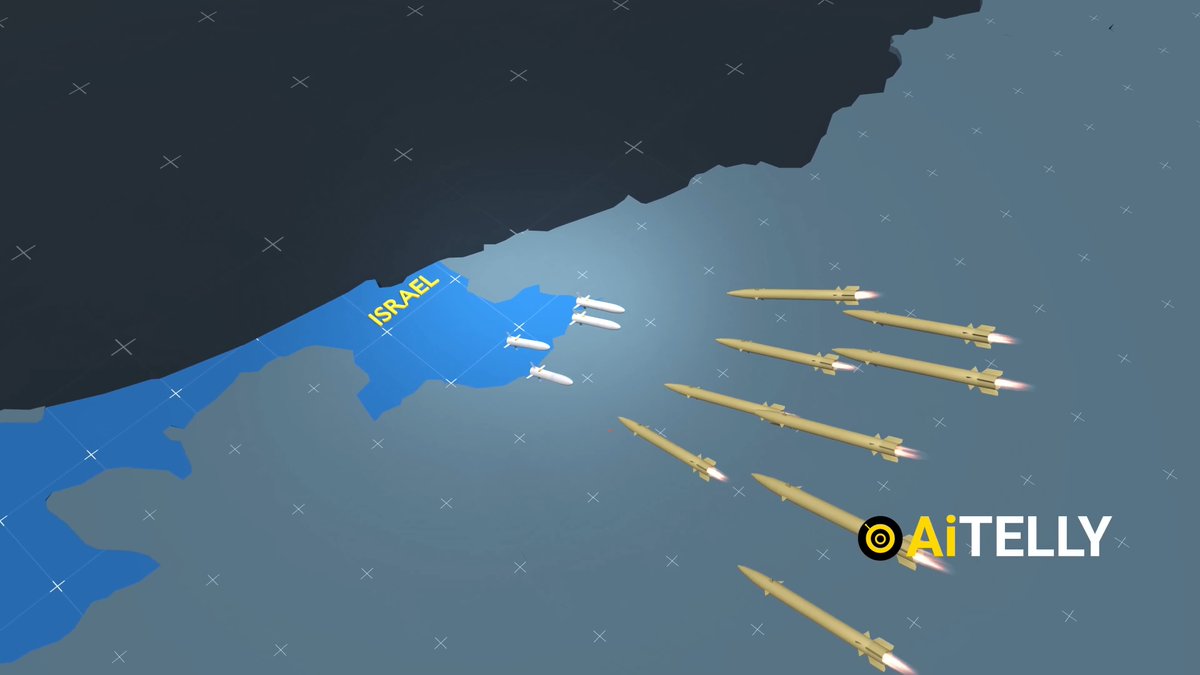
🚨🇮🇷 Shahed drones are basically guided missiles with propellers, cruising at around 180 km/h and able to travel 2,000 km, long enough to smack the runway of a British RAF base in Cyprus recently, which they did. They cost $20k–$50k to make and they can be produced in bulk....

383,400 görüntüleme • 4 ay önce •via X (Twitter)

0 Yorum

Yorum bulunmuyor

Orijinal gönderinin yorumları burada görünecek

Benzer Videolar

Strategic Bombers Are More Relevant Than Ever Decades ago, these aircraft had to fly directly over their targets to drop bombs. That era is over, and things have only gotten easier for them. Now they are standoff platforms capable of launching modern, heavy, long-range missiles (thousands of kilometers), including hypersonics, in large quantities, without ever entering contested airspace. This proves they are far from obsolete and have become massive flying weapons platforms. These bombers operate in squadrons, with missile ranges of 1,000–5,500 km (cruise) or around 2,000 km (hypersonic), devastating warheads, and launched in high numbers. Hypersonics like Kinzhal, YJ-21, and the future ARRW can evade modern defenses, while cruise missiles like JASSM and Kh-101 achieve saturation at a much lower cost. Russian glide bombs are being motorized to become an even cheaper option, and there are already configurations where bombers carry up to 20 glide bombs. Imagine 5 B-52H Stratofortress launching 20–24 stealth AGM-158 JASSM-ER missiles with 1,000 km range each. That’s over 100 missiles in a single salvo. Or 5 Tu-160M2 launching 6 Kh-47M2 Kinzhal each, or in another configuration up to 12 Kh-101 missiles per aircraft. If you want to go further: what navy could survive a squadron salvo from Chinese H-6 or H-20 launching 4–6 anti-ship hypersonic missiles with 1,500–2,000 km range? Strategic bombers are more relevant than ever and now operate much more safely. In the future, in possible larger conflicts, we’ll see waves of 20 bombers launching salvos of 150–250 missiles, overwhelming defenses and causing immense destruction. These platforms provide extended reach at a far lower cost than medium- or long-range ground launched missiles. Not to mention the low operating costs of the B-52, Tu-95, and H-6, with the latter probably having even lower costs. The trend is toward missiles and bombs with ever-greater range, lower cost, and modular designs to be launched from bombers. We can expect these aircraft to remain in service for at least another 20–30 years.

Patricia Marins

19,267 görüntüleme • 5 ay önce

❗️❗️❗️🇺🇦🇫🇷 GOOD NEWS | “Following yesterday’s agreement with Emmanuel Macron, Ukraine will test a new SAMP/T air defense system capable of intercepting ballistic targets. At the moment, it is the only European alternative to the Patriot system. We expect to receive it from France this year,” — Zelensky said. 🔵 To clarify the situation: 🔹 According to previous reports, Ukraine has already received two SAMP/T air defense batteries from France and Italy, but they cannot currently intercept ballistic missiles, as they lack the latest anti-ballistic interceptors and modern radars required for that mission. The previously supplied ASTER-15 air defense missiles, with a range of about 30 km, are mainly designed to intercept aerodynamic targets such as cruise missiles, aircraft, helicopters, and drones. 🔸 Zelensky’s latest statement suggests two important developments regarding the upgrade of these SAMP/T systems to counter Russian ballistic missiles: 1️⃣ The deployment of the modern AESA radar Ground Fire 300 — a multifunctional radar capable of detection and target tracking at distances of 400–450 km, allowing effective engagement of ballistic targets. 2️⃣ The delivery of ASTER-30 interceptor missiles, equipped with active radar seekers. •Against aerodynamic targets, the range reaches up to 120 km. •Against ballistic missiles: ▪️ ASTER-30 Block 1 can intercept targets at 30–35 km. ▪️ ASTER-30 Block 1NT can intercept ballistic missiles at 45–55 km. 📌 Interceptions are performed at altitudes of approximately 20–22 km.

NSTRIKE

68,954 görüntüleme • 3 ay önce