正在加载视频...
视频加载失败
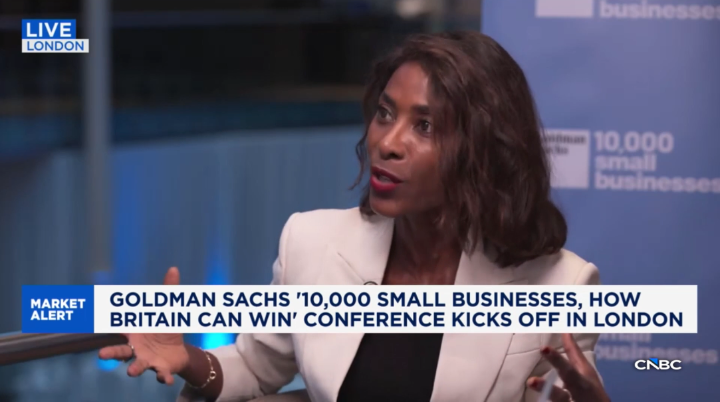
Softer-than-expected inflation data could reduce the need for additional Fed tightening, while stable labor-market conditions and AI’s gradual productivity benefits continue to shape the economic outlook, according to Goldman Sachs Chief Economist Jan Hatzius. He joined CNBC to discuss his views.

13 条评论

@CNBC 'Gradual' is heavy lifting in the AI productivity line. Nonlinear deployment breaks the neutral rate math entirely.

@CNBC Not sure what is stable about labour market… data cam out much worse than expected…

The AI-productivity part of this outlook is especially interesting because it sits at the boundary between observed evidence and macroeconomic forecast. AI CAPABILITY IMPROVED ≠ MACRO PRODUCTIVITY EFFECT OBSERVED MICRO PRODUCTIVITY GAIN ≠ AGGREGATE GDP EFFECT FORECAST CONTRIBUTION ≠ REALIZED CONTRIBUTION A stronger evidence chain would connect: AI adoption → task-level productivity → labor/capital reallocation → firm-level output → sector productivity → aggregate productivity → GDP/income effect The difficult part is attribution. If productivity improves while AI adoption, capital investment, labor composition and broader economic conditions are all changing simultaneously, the question becomes: How much of the observed effect can actually be attributed to AI? That makes longitudinal evidence particularly important: baseline, adoption intensity, affected workflows, counterfactual comparison, productivity effect, displacement/reallocation effects and subsequent revalidation. AI may well become a significant macroeconomic productivity driver. The interesting evidence problem is determining when that expected benefit becomes an observed and attributable economic effect.

@CNBC The pause isn't neutral. Headline PCE is +3.4% y/y in August, but the last three months annualize at 1.0%. Hold the target at 4.00% and the real rate travels from 0.6% to 3.0% as the y/y rolls down to that run rate. Softer prints tighten policy on their own.

@CNBC The mix of softer-than-expected inflation and stable labor conditions is important for the Fed outlook. It suggests the policy debate may hinge on how durable the productivity gains prove to be.

@CNBC Rate hiking odds could change

@CNBC Cooling inflation alongside steady hiring gives gradual AI productivity gains real time to compound.

@CNBC check import/export prices and producer prices...inflationary pressures are strong....reason for rising interest rates

@CNBC I like the AI angle here. You and @Kamoflawless both understand that even gradual productivity gains can matter if they help the economy grow without creating the same inflation pressure.

@CNBC The AI productivity point is the important medium-term variable: if adoption improves output without overheating demand, it can change the policy mix. The test is diffusion beyond frontier firms into ordinary Canadian and global businesses.

@CNBC headline PCE at 3.4% with the last three months annualizing hotter — that's the soft landing. cutting rates into that is just policy cosplay 📉

@CNBC Softer inflation cuts the case for hikes, but it doesn't make cuts automatic. Hatzius frames it as less tightening, not easing. What would actually force the Fed to cut first?

@CNBC soft inflation plus steady jobs is the sweet spot lol. that combo matters a lot for what comes next