Video wird geladen...

Video konnte nicht geladen werden

Zur Startseite

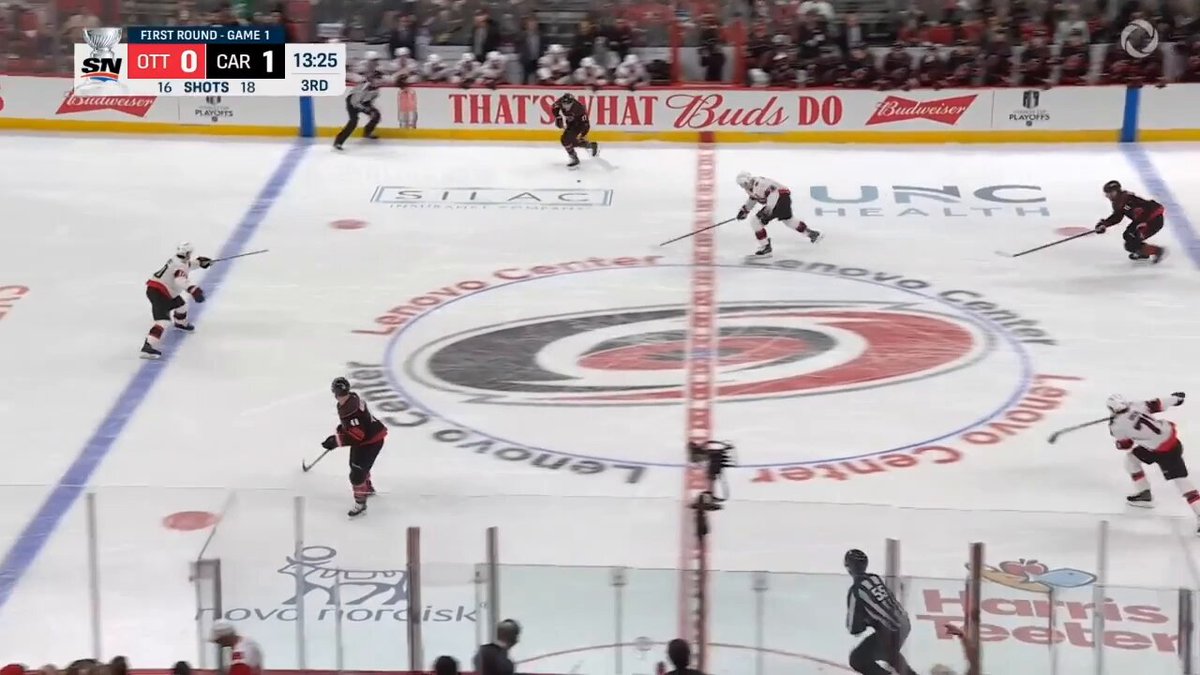
Some great examples over the past few days highlighting strong breakout retrieval habits under pressure — and the ability to connect exits to possession entries and, ultimately, goals. Notice the scanning habits prior to puck touches, creating short support and numbers around the puck, and then moving it to...

14,566 Aufrufe • vor 6 Monaten •via X (Twitter)

0 Kommentare

Keine Kommentare verfügbar

Kommentare vom Original-Post werden hier angezeigt

Ähnliche Videos

COACHES: If we want to develop better hockey players, we need to talk more about work AWAY FROM THE PUCK. Here are two clips to show your players on this concept. 1. GIVE-AND-GO: One of my favorite youth coaches was from Russia and Tarasov's school of hockey...and his biggest pet peeve was passing and then not moving. He would literally stop practice and make us do a somersault if we passed and stood still. Our team won a national championship, we had half our team play college hockey, and his emphasis on this I think was a huge part of our development. Why is a give-and-go big? When a defender is on you and you pass it, that split second is when they're most vulnerable. They have to look at where the puck goes but also pay attention to you. By moving right away after passing, their attention shifts, even so briefly, which allows you to get open to get it back. Check out this AMAZING give-and-go between McDavid and Draisaitl. These guys are on another level and McDavid is truly superhuman at working away from the puck. 2. WORK TO SUPPORT THE PUCK: On the second clip, watch how hard Tarasenko speeds through the neutral zone to get to a spot of support. If he doesn't, this play ends in a dump in and an easy breakout. But he hightails it, like he's shot out of a cannon, and even though he doesn't get the puck, his speed without the puck allows him to get pressure on the forecheck. 3. WORK TO GET THE PUCK BACK: Then you have Kaprizov, one of the most skilled players in the world, working to track back on the forecheck. His effort helps create the turnover and he gets rewarded with the goal. If you want to play offense, the harder you work away from the puck defensively, the more you'll benefit offensively by getting possession back. Even the best players in the world only have the puck on their stick for maybe one minute during a game. As coaches and in player development, the more we can emphasize play without the puck, the more we'll develop smarter and better players.

Topher Scott

14,893 Aufrufe • vor 5 Monaten