Video wird geladen...

Video konnte nicht geladen werden

Zur Startseite

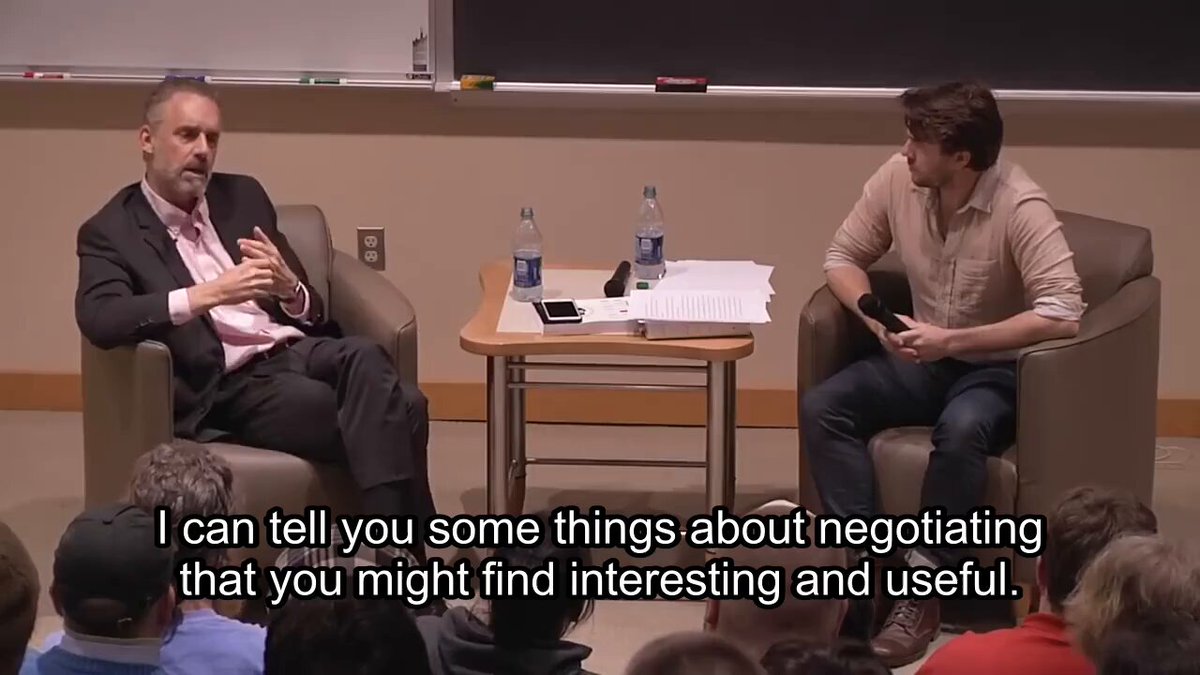
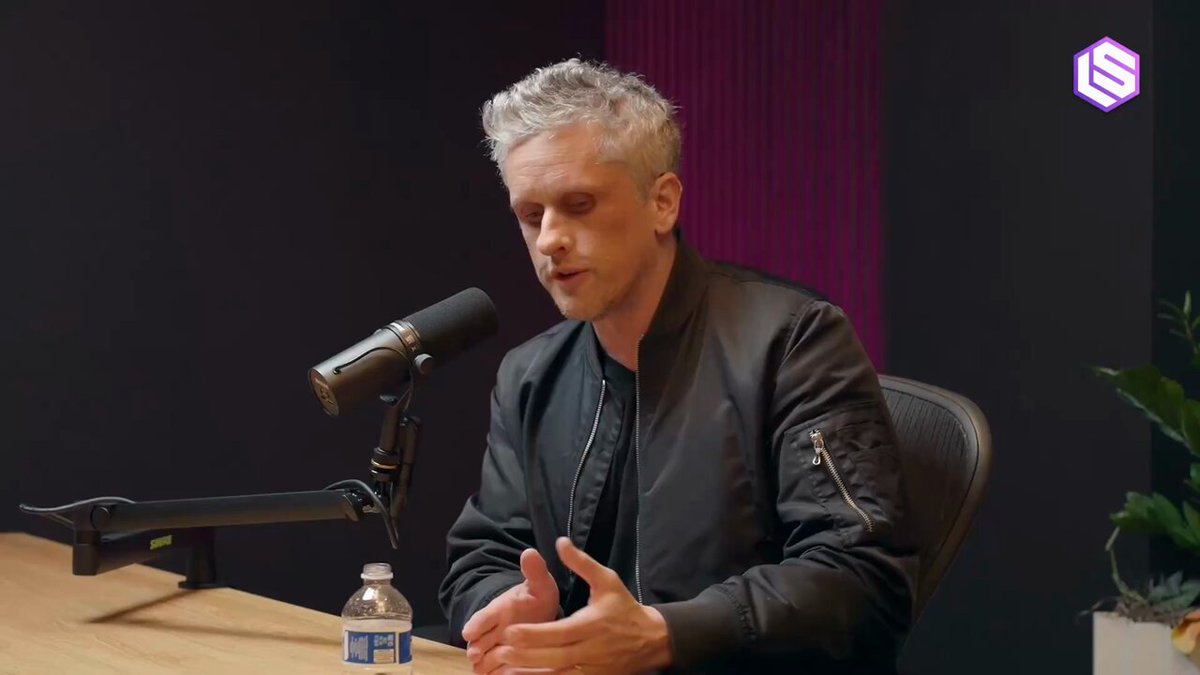
Steven Sinofsky on why it's hard for AI to diffuse through firms: "Algorithmic thinking is really, really, really hard for the vast majority of people who have jobs… If you were to go into any person and ask them to create a flow chart for a particular thing that...

231,800 Aufrufe • vor 3 Monaten •via X (Twitter)

0 Kommentare

Keine Kommentare verfügbar

Kommentare vom Original-Post werden hier angezeigt

Ähnliche Videos

Mark Zuckerberg on why he prefers to recruit people directly out of college In this interview from 2005, a 21-year-old Mark Zuckerberg is asked what he looks for in a new hire. There’s two things, he says. “Number one is raw intelligence. You can hire someone who has been doing software engineering for 10 years, and if they’ve been doing it for 10 years, that’s probably what they’ll be doing for the rest of their life. That’s cool — there are some things that that person can do and they’re definitely useful in an organization and can do a lot of stuff. But if you find someone whose raw intelligence exceeds theirs but has 10 years less experience, they can probably adapt and learn way quicker. Within a very short amount of time they’ll be able to do a lot of things that [the person with 10 years of experience] will never be able to do. So that’s the most important thing that I look for.” The second thing he looks for is alignment with what the company is trying to do: “People can be really smart or have skills that are directly applicable, but if they don’t really believe in it, then they’re not going to work hard or care enough to develop the relevant experience in order to succeed. The best people I’ve hired so far have been people who didn’t really have that much engineering experience. I hired a couple of electric engineers out of Stanford to do programming stuff, and they had very little programming experience going in, but they were really smart and really willing to go at it. The guy who just wrote photos was one of those guys, and if you’re willing to just do whatever it takes to get photos out, then you’re probably more valuable than someone who is just a career software engineer.” He concludes: “Those are the things I’m looking for and why I would rather recruit people out of college.” Video source: Stanford eCorner (2005)

Startup Archive

54,696 Aufrufe • vor 6 Monaten

Mark Zuckerberg: "I'd rather hire someone with raw intelligence and no experience than a 10-year veteran" "The two most important things I look for, number one is just raw intelligence." Zuckerberg explains why: "You can hire someone who is a software engineer and has been doing it for 10 years. If they've been doing it for 10 years, that's probably what they're doing for their life. And that's cool. There are things that person can do. They're definitely useful in an organization." But here's the tradeoff: "If you find someone whose raw intelligence exceeds theirs but has way less experience, they can probably adapt and learn way quicker. Within a very short amount of time, they'll be able to do a lot of things that the experienced person may never be able to do." The second thing he looks for: "Alignment with what we're trying to do. People can be really smart or have skills that are directly applicable. But if they don't really believe in it, they're not going to work hard. Even if they're a smart guy who doesn't have the relevant experience, if they don't care enough, they're not going to develop the relevant experience in order to succeed." On who he's actually hired: "The best people I've hired so far have been people who didn't really have that much engineering experience. I hired a couple of electrical engineers out of Stanford as new programming staff. They had very little programming experience going in. But just really smart. Really willing to go at it." He gives an example: "The guy who built Photos was one of those guys. If you're willing to just go and do whatever it takes to get it out, you're probably more valuable than someone who's just a career software engineer."

Jaynit

401,643 Aufrufe • vor 2 Monaten

Mark Zuckerberg: "I'd rather hire someone with raw intelligence and no experience than a 10-year veteran" "The two most important things I look for, number one is just raw intelligence." Zuckerberg explains why: "You can hire someone who is a software engineer and has been doing it for 10 years. If they've been doing it for 10 years, that's probably what they're doing for their life. And that's cool. There are things that person can do. They're definitely useful in an organization." But here's the tradeoff: "If you find someone whose raw intelligence exceeds theirs but has way less experience, they can probably adapt and learn way quicker. Within a very short amount of time, they'll be able to do a lot of things that the experienced person may never be able to do." The second thing he looks for: "Alignment with what we're trying to do. People can be really smart or have skills that are directly applicable. But if they don't really believe in it, they're not going to work hard. Even if they're a smart guy who doesn't have the relevant experience, if they don't care enough, they're not going to develop the relevant experience in order to succeed." On who he's actually hired: "The best people I've hired so far have been people who didn't really have that much engineering experience. I hired a couple of electrical engineers out of Stanford as new programming staff. They had very little programming experience going in. But just really smart. Really willing to go at it." He gives an example: "The guy who built Photos was one of those guys. If you're willing to just go and do whatever it takes to get it out, you're probably more valuable than someone who's just a career software engineer."

Jaynit

185,808 Aufrufe • vor 1 Tag

.Rob Miles is spitting fire: “People are starting from a prior in which ‘[AIs] are safe until you give me an airtight case for why they're dangerous.’ This framing is exhausting. You explain one of the 10,000 ways that AIs could be dangerous, then they explain why they don't think that specific thing would happen. Then you have to change tack, and then they say, 'your story keeps changing'... "If you're building an AGI, it's like building a Saturn V rocket [but with every human on it]. It's a complex, difficult engineering task, and you're going to try and make it aligned, which means it's going to deliver people to the moon and home again. People ask “why assume they won't just land on the Moon and return home safely?" And I'm like, because you don't know what you're doing! If you try to send people to the moon and you don't know what you're doing, your astronauts will die. [Unlike the telephone, or electricity, where you can assume it’s probably going to work out okay] I contend that ASI is more like the moon rocket. "The moon is small compared with the rest of the sky, so you don't get to the moon by default - you hit some part of the sky that isn't the moon. So, show me the plan by which you predict to specifically hit the moon." And then people say, “how do you predict that [AIs] will want bad things?” There's more bad things than good things! It's not actually a complicated argument... I'm not going to predict specifically where it off into random space your astronauts are going, but you're not going to hit the moon unless you have a really good, technically clear plan for how you do it. And if you ask these people for their plan, they don't have one. What's Yann Lecun’s plan?” "I think that if you're building an enormously powerful technology and you have a lot of uncertainty about what's going to happen, this is bad. Like, this is default unsafe. If you've got something that's going to do enormously influential things in the world, and you don't know what enormously influential things it's going to do, this thing is unsafe until you can convince me that it's safe." HOST: “That’s a good way of thinking about it - with some technologies you can assume that the default will be good or at least neutral, or that the capacity of a person to use this in a very bad way is bounded somehow. There's just only so many people you could electrocute one by one."

AI Notkilleveryoneism Memes ⏸️

77,350 Aufrufe • vor 3 Jahren

The founders of Stripe and Pinterest on how to convince people to join your startup Stripe CEO Patrick Collison argues that part of the reason startups resonate so much is because the outcome is not guaranteed: "If it were guaranteed, it would be boring... Whether or not you're the best person in the world at what you do, you're probably not going to alter Google's trajectory. But if you really want to benchmark yourself and see how much of a contribution and impact you can make--which is a really compelling prospect for a lot of the best people--a startup is a much better place to test that." Pinterest founder Ben Silbermann emphasized this as well: "No smart person that you're hiring is under the illusion that you have a crystal ball into the future and that joining is a guaranteed thing. In fact, if you're telling them that and they select in, you shouldn't hire them because they didn't pass a basic intelligence test. I think it's important to tell them what's exciting and where you think the company can go. But also tell them where it will be hard and chart your best plan. And then tell them why their role can be instrumental--because it will be... What I would discourage doing is whitewashing all of that. If people are joining your company because they want all of the certainty and safety of working at Google but also the perks of working at a small startup with lots of responsibility and transparency, that's a really negative sign." Apparently in the early days of PayPal, Peter Thiel and Max Levchin would tell people after they interviewed all the reasons that the company would fail: "Visa and MasterCard want to kill us. We also might be doing something that's illegal. But if we succeed, we'll redefine payments." Don't whitewash the risks. Instead tell them how your startup will change the world if you succeed and how their role will be instrumental in affecting that change. Video source: Y Combinator (2014)

Startup Archive

11,811 Aufrufe • vor 8 Monaten

This is one of the most important parts of Tucker Carlson’s speech and it got overlooked American can’t afford to buy homes, Tucker says this is a National Emergency “At some point the basic economics really matter. And they matter because not that it's bad that rich people are getting richer, it's bad that everyone else is getting poorer. And it's especially bad the young people can't afford homes. Let me just put a very precise point on this. If you want a measure of how your economy is doing, I personally favor eliminating GDP as a measure. I don't even know what that is. It's clearly not relevant. — My measure is really simple. I got a bunch of kids. Can they afford houses with full time jobs at like 27, 28? And the answer is no way. And the answer is that 35 year olds with really good jobs can't afford a house unless they stretch and go deep into debt. And I just think that's a total disaster. That's a complete disaster. Why? Two reasons: - One, if people don't own things, they don't feel ownership of the country they're in. And the country gets super volatile because people feel like they've got nothing to lose. When you have a lawn, trust me, you're thinking long term. - Second, it's really hard to have a family without a house. It is. It's like super fun to live in an apartment. If you know there's like a bar downstairs, you're in a cool neighborhood. I'm in East Village. It's so cool. Try to have three kids. You're not going to have three kids there. You can. Nobody wants to raise their kids in that neighborhood. Nobody wants to raise their kids in an apartment. People do it. People, they have to. Nobody wants to. People want a little house. Not some McMansion, just a little normal house. That is the actual American dream. — But most people's parents can't afford to do that. — So that is a national emergency. One of the reasons it's happening is because normal people with normal jobs no longer believe they can win in this system and that all the money is going to the worst people, and no one even stops to ask what the hell is going on. What I'm saying is that our leadership class should say something about it and should assign a moral value to it. And if you're getting rich by loaning money to people at incredibly high interest rates, that's something you're gonna have to talk to God about. That is not good. That is not virtuous. That's disgusting” Nobody, and I mean NOBODY in power seems to care about this

Wall Street Apes

1,849,345 Aufrufe • vor 1 Jahr

Brian still spends over two hours a day on recruiting and personally hires the top 200 people at Airbnb. I loved this idea of being in the flow of talent to find the best people: "Don't do searches. Build pipelines. I try to map out all the best people in the Valley. So let's say I need to hire really good engineers. I don't do searches. I just informationally meet the best engineers in the world. Every meeting, the job is to get the next meeting, meet someone else. The mistake people make when they hire. They go, "I need to hire a blank." So they hire a search firm. They give you 50 profiles, and you pick the best one. That is the wrong way to do it. The best way to do it is pipeline recruiting. You're constantly recruiting, you're constantly meeting people. in advance of searches. And all of it is referral based. The two ways to find out if people are good – is to start with the results and work backwards to the people. Find an ad you like and figure out who made that ad. Start with the results. Work backwards to people. Don't start with the resume. The other thing to do is just keep asking people to build your Rolodex. The moment I find somebody that's really good, I ask them who all the best people they know are. And I build these little mafias and they tell you who the other good people are. I am the co-hiring manager for the top 200 people in the company. This is very radical. A lot of CEOs think it's their job to hire their executive team, and their executive team hires their team. I think that is fatal. You always want to be marrying up, hiring people of the future. It should be like we're reaching. If you can hire them without my help, we're not reaching far enough. You want to hire the very best person you can."

Patrick OShaughnessy

316,842 Aufrufe • vor 2 Monaten

Alexandr Wang: “Hire people who give a shit” The ScaleAI founder is asked for the best advice he has for founders, to which he responds: “The biggest thing is you have to really, really care.” Alex explains this is also the number one trait he looks for in people he hires: “When you interview and interact with people, you can tell who phones it in and whose work is so incredibly important to them that it eats at them if they don’t do great work. One of the greatest indicators of how much I enjoyed working with people and how successful they were at Scale was just the degree to which their soul is invested in the work they do.” It’s important that the CEO lives this principle too. “I still review every hire at the company,” Alex says. “I care immensely. I work with all these people who care immensely. And that lets us feel much more deeply what happens in the business, so we learn more quickly and adapt more quickly, and I think that’s been quite important to the success that we’ve had.” One of Scale AI’s values is that “quality is fractal.” “High standards trickle down within an organization,” Alex explains. “Most of the time when people realize their manager or their manager’s manager doesn’t really care, that removes the desire for them to care. So it’s incredibly important that high standards and care for quality is a deeply embedded tenet of the entire organization.” Video source: Y Combinator (2025)

Startup Archive

45,215 Aufrufe • vor 6 Monaten

Alexandr Wang: “Hire people who give a shit” The ScaleAI founder is asked for the best advice he has for founders, to which he responds: “The biggest thing is you have to really, really care.” Alex explains this is also the number one trait he looks for in people he hires: “When you interview and interact with people, you can tell who phones it in and whose work is so incredibly important to them that it eats at them if they don’t do great work. One of the greatest indicators of how much I enjoyed working with people and how successful they were at Scale was just the degree to which their soul is invested in the work they do.” It’s important that the CEO lives this principle too. “I still review every hire at the company,” Alex says. “I care immensely. I work with all these people who care immensely. And that lets us feel much more deeply what happens in the business, so we learn more quickly and adapt more quickly, and I think that’s been quite important to the success that we’ve had.” One of Scale AI’s values is that “quality is fractal.” “High standards trickle down within an organization,” Alex explains. “Most of the time when people realize their manager or their manager’s manager doesn’t really care, that removes the desire for them to care. So it’s incredibly important that high standards and care for quality is a deeply embedded tenet of the entire organization.” Video source: Y Combinator (2025)

Startup Archive

91,518 Aufrufe • vor 1 Jahr