Video wird geladen...
Video konnte nicht geladen werden
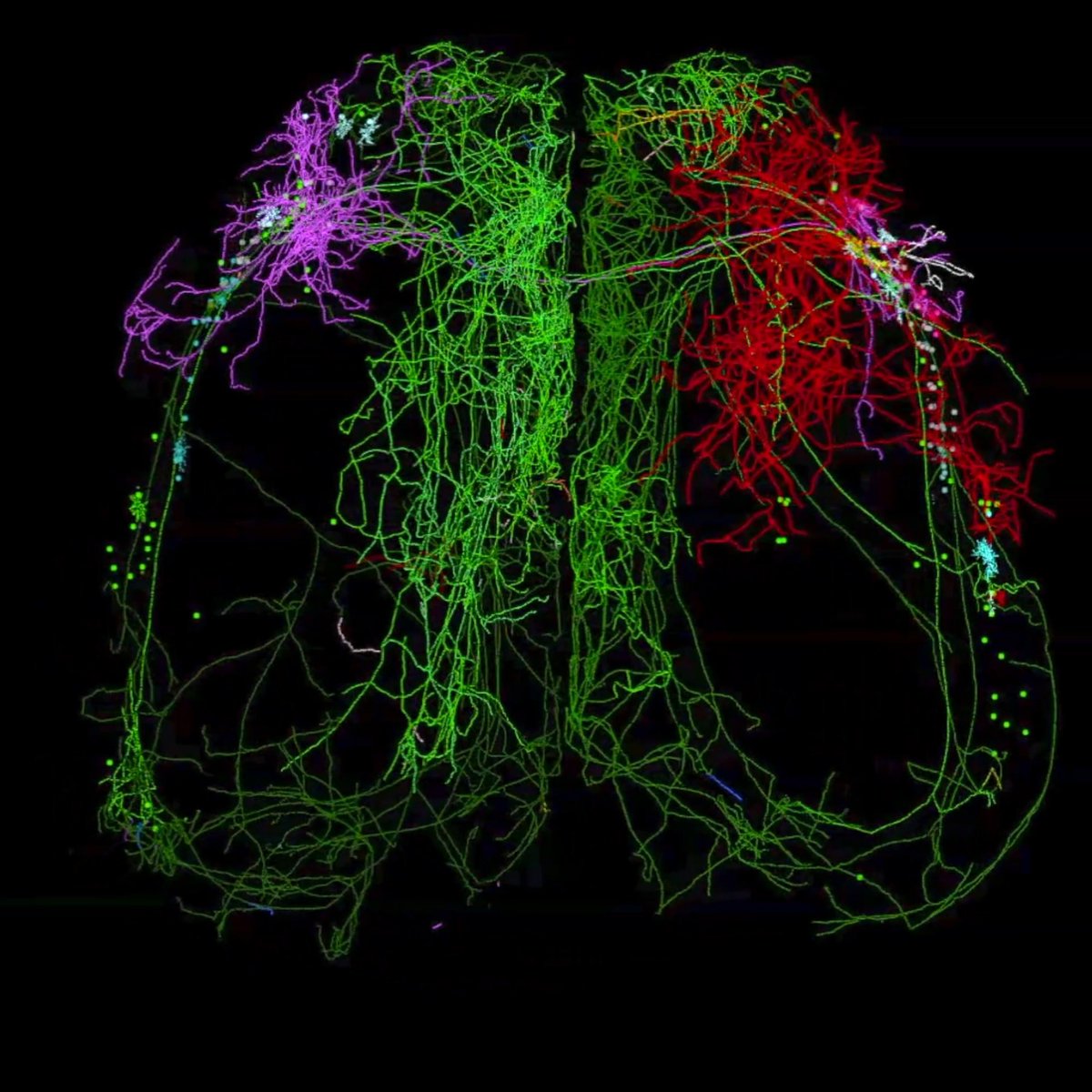
The Brain forming a memory.

309,991 Aufrufe • vor 2 Jahren •via X (Twitter)
10 Kommentare

This little guy does solo exploration, reality sensation and research, than reports back to the collective, than back to his own thing, this one is my hero

Neural plasticity or brain plasticity, refers to the brain's ability to reorganize and adapt its structure, functions, and connections in response to new experiences, learning, and environmental stimuli. This process is fundamental for the brain's ability to learn, form new memories, and recover from injury. The brain is able to change itself through several mechanisms: 1. **Synaptic Plasticity**: This is the ability of the connections between neurons, called synapses, to change in strength. This change can be accomplished through a process called long-term potentiation (LTP) and long-term depression (LTD), which can strengthen or weaken the connections between neurons. 2. **Neuronal Migration**: In the developing brain, neurons can move from their place of origin to their final location in the brain. This process is crucial for the proper wiring of the brain. 3. **Axonal and Dendritic Remodeling**: The connections between neurons can also change. Axons, which send signals from one neuron to another, can grow and form new connections. Dendrites, which receive signals from other neurons, can also grow and form new connections. 4. **Neurogenesis**: This is the process by which new neurons are born. While most neurogenesis occurs during prenatal development, there is evidence that it continues in certain areas of the adult brain, such as the hippocampus, which is involved in learning and memory. 5. **Synaptogenesis and Synaptic Pruning**: The brain can also create new synapses and eliminate old ones. This process allows the brain to adapt to new experiences and can help to optimize the brain's processing power. These mechanisms allow the brain to change its structure and function in response to the environment, experiences, and learning. This ability is what allows us to learn new skills, form new memories, and recover from injuries.

It's creating a frequency trace that can write and read the memory. There are no memories stored in the brain. The brain is an antenna, a biological I/O bus that communicates with the "spirit" that contains all memories.

Cool video but... Nah! Not forming a memory. Not a normal connectivity modality. These neurons are probably in a petri dish or on a microscope slide, struggling in a alien environment to connect.

These are neurons finding other neurons; hardware, not the software of memories.

Mind sharing the source?

Intelligence within intelligence within intelligence

Fascinating. The fact we are made of trillions of living things is truly astounding.

"From neuron to nebula and back again."

👀👀👀