Video yükleniyor...
Video Yüklenemedi
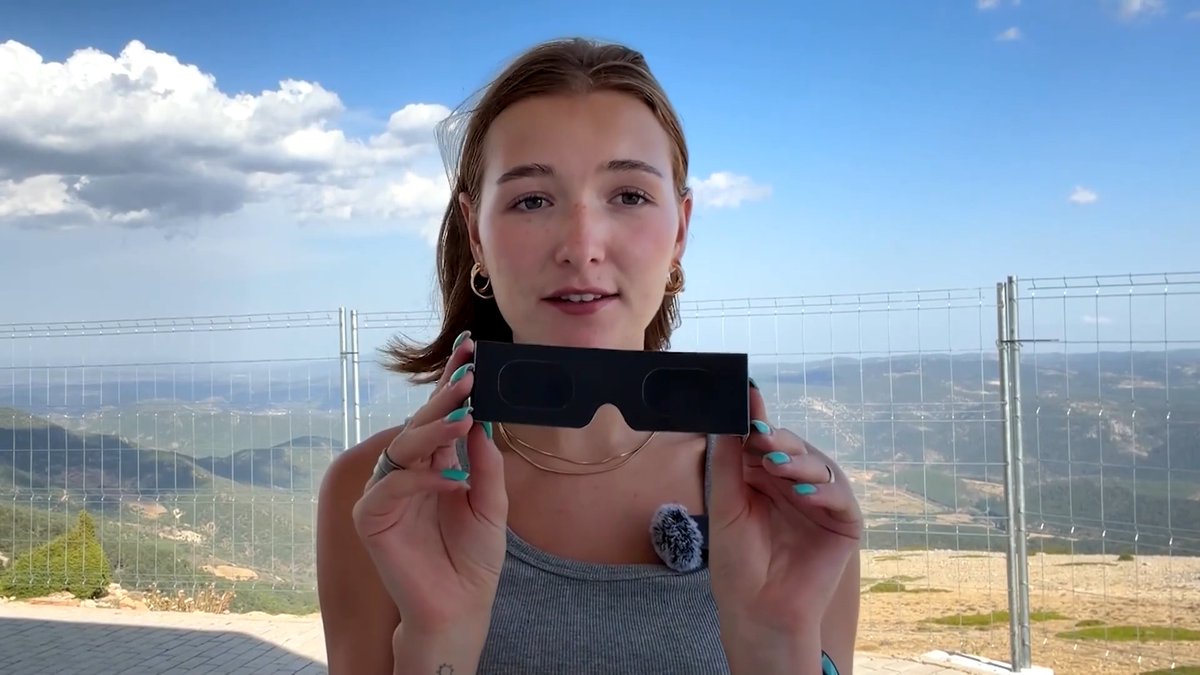
The full solar eclipse, visible in totality only from Spain and Iceland on August 12, is drawing skywatchers from across Spain and abroad. Here are some safe ways to watch and film a solar eclipse

29,042 görüntüleme • 1 ay önce •via X (Twitter)
18 Yorum

🔊 Europe braces for a rare total solar eclipse. Hear what to expect on today's episode of the Reuters World News podcast
LIVE: Solar eclipse seen from Iceland and Spain
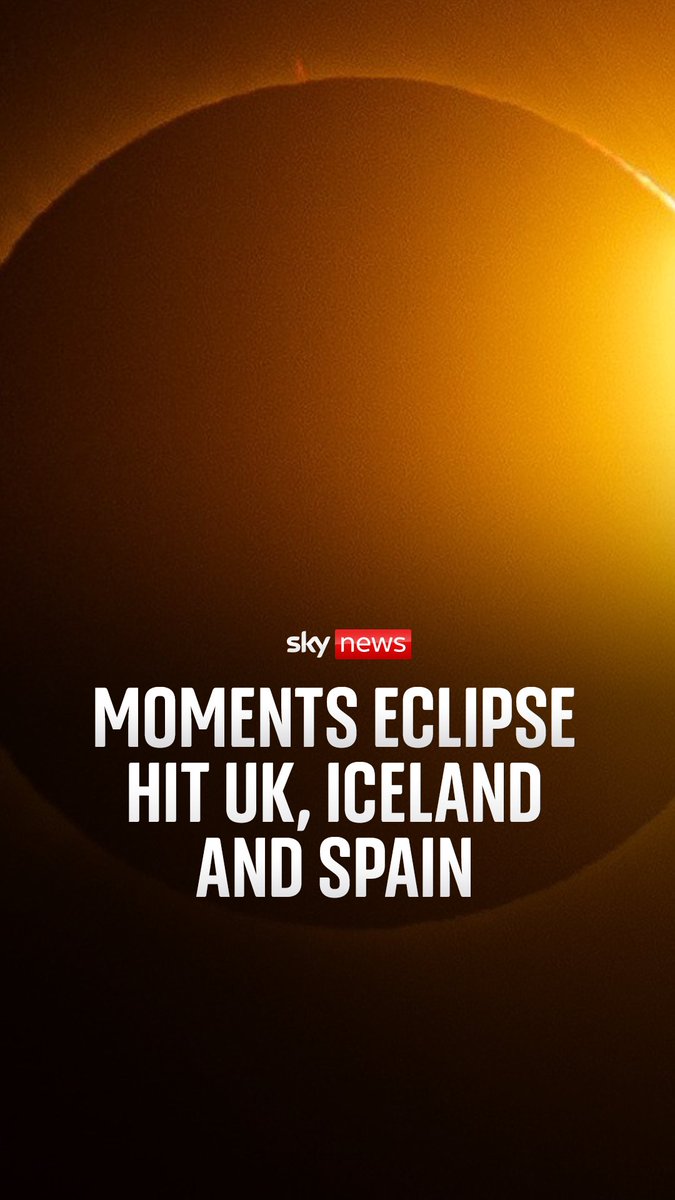
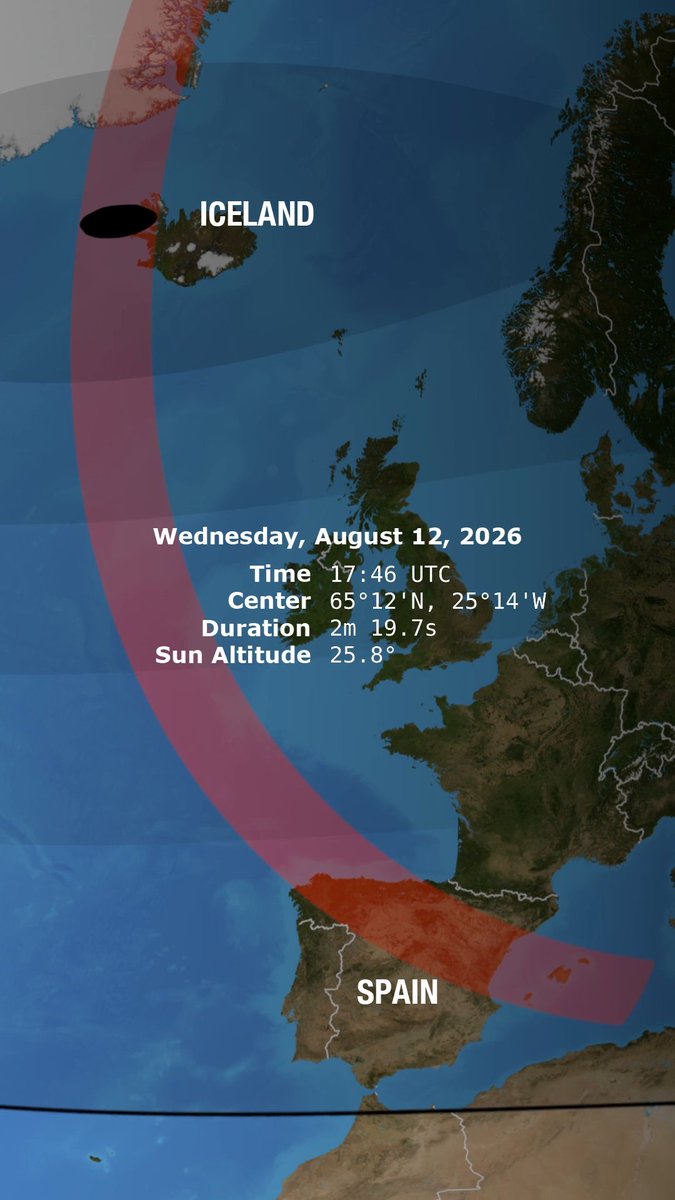
A total solar eclipse will be visible from mainland Western Europe on August 12 for the first time since 1999. Where to see the total solar eclipse and when to catch the next one:
The total solar eclipse will be visible in parts of Greenland, Iceland, northern Russia, the Atlantic Ocean, northern Spain and a small part of Portugal. Follow our live coverage as we track the solar eclipse
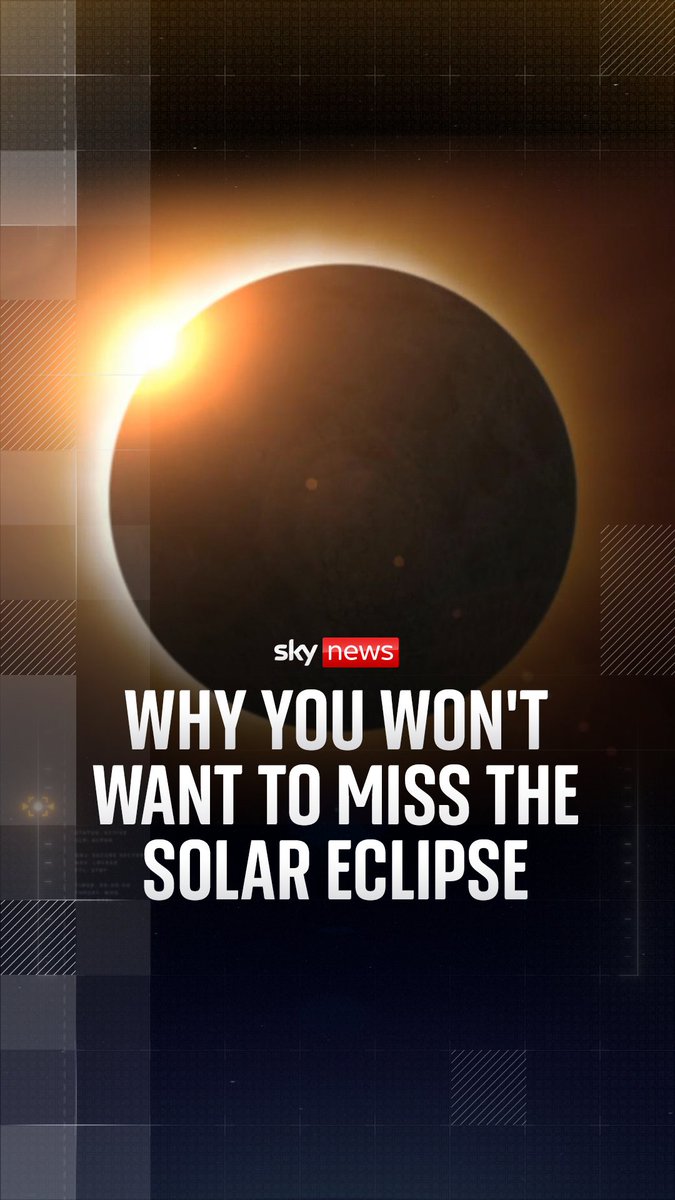
🌑 What actually happens during a total eclipse?
Total solar eclipse sweeps across northern Spain
Total solar eclipse viewed from Spain's Javalambre Astrophysical Observatory
Thousands gather for a total solar eclipse across Europe, parts of North America
A partial eclipse will be visible across parts of the US and Canada. Follow our live coverage for details on where and when to catch it ➡️
🌘 Did you know? Eclipses have been interpreted differently across cultures. In ancient Greece, people believed a solar eclipse meant the gods were angry, while in ancient China, a celestial dragon was thought to devour the sun. Follow our live coverage to learn more
The skies above Iceland fell into total darkness Wednesday afternoon as a total solar eclipse swept across the country's westernmost coast. A break in the clouds allowed tourists and locals to catch a glimpse of the celestial phenomenon
Millions of people have gathered in Iceland and northern Spain to witness Western Europe's first total solar eclipse in 27 years, with Spanish officials warning people to avoid areas where a heatwave has raised the risk of wildfires
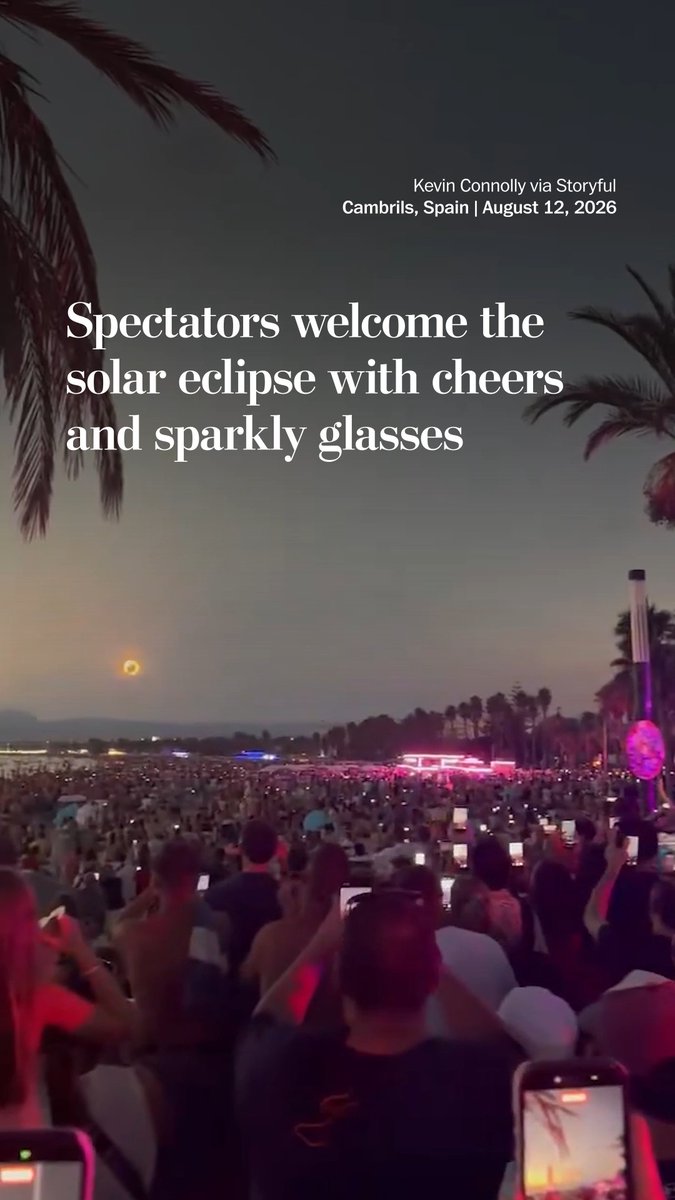
The sky darkens as millions of people gather in Iceland's capital Reykjavik to witness Europe's first total solar eclipse in 27 years
People gathered in Spain's Arija and Arcos de las Salinas to catch a glimpse of Europe's first total solar eclipse in 27 years
A total eclipse lasts only minutes. Preparing to cover it can take years. Almost 2,000 meters above sea level in rural Spain's Javalambre Observatory, Reuters assembled drones, multiple lenses and backup plans for nearly every scenario. Leonardo Benassatto explains how it all came together ⬇️

a total solar eclipse

-1

Hey Super, build a functional interactive 3D solar eclipse optical safety and photography simulator grounded in the Reuters reporting on the August 12 total solar eclipse in Spain and Iceland. The primary first-viewport experience uses Three.js to model the physical geometry of Earth, Moon, and Sun, coupled with direct optical ray and lens filter simulations. Visitors immediately interact with a rendered 3D solar disk, corona geometry, and optical sensor viewport where scrubbing eclipse contact times (C1 first contact, C2 totality start, C3 totality end, C4 fourth contact) dynamically changes visible solar phenomena, lux levels, visual safety index, and camera sensor exposure risk. Users choose observation presets including Reykjavik (Iceland), Burgos (Spain), and Palma de Mallorca (Spain), test optic filter setups (e.g., ISO 12312-2 solar filters, ND5.0 photo filters, solar safety film vs unsafe makeshift filters), and adjust direct optical framing controls (focal length, shutter speed, ISO). The runtime accurately simulates why full solar filters are mandatory during partial phases (C1-C2 and C3-C4) to prevent instant retina and camera sensor destruction, while demonstrating the exact moment during C2-C3 totality when filters must be removed to capture the faint solar corona, prominences, and Baily's beads.