Загрузка видео...

Не удалось загрузить видео

На главную

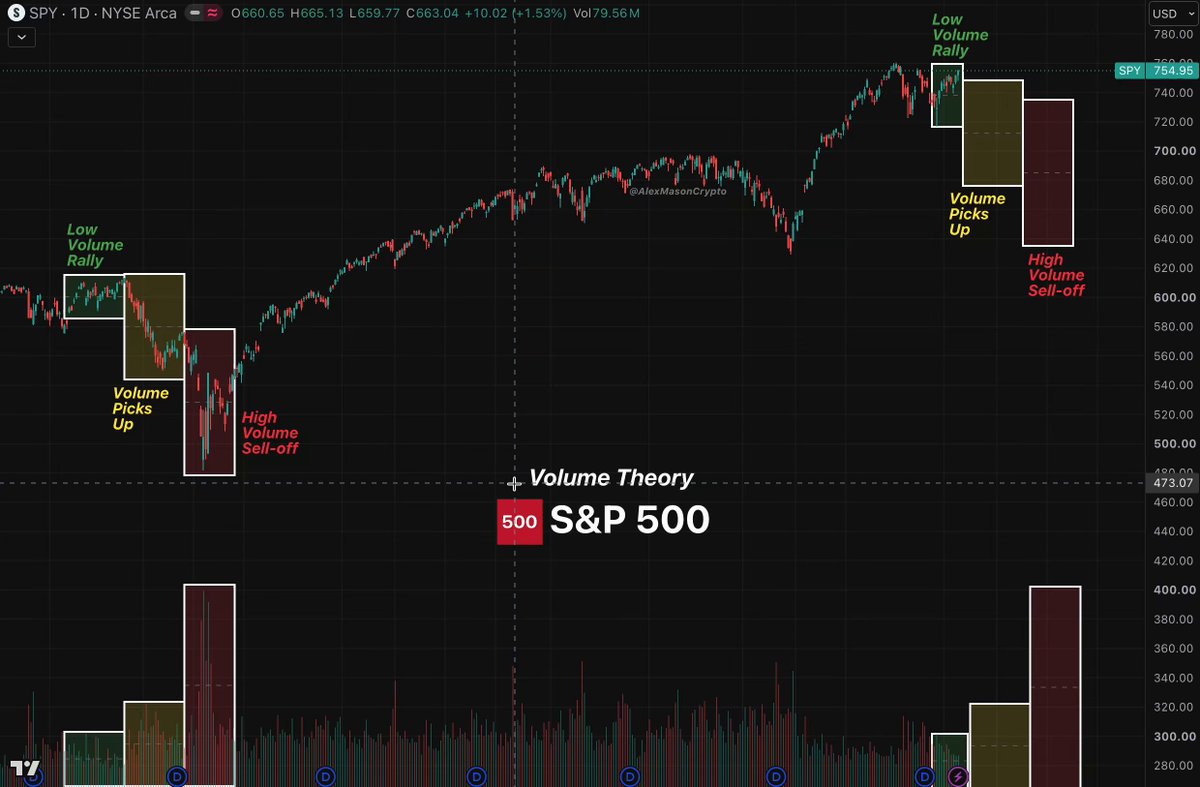
The S&P 500 just hit 6,791 points with valuations 2X higher than historical averages. You have two choices: 1) Keep buying at these inflated prices (conventional advice) 2) Wait for the drop (that nobody can time) What should you do? (a thread)

13,515 просмотров • 10 месяцев назад •via X (Twitter)

Комментарии: 0

Нет доступных комментариев

Здесь появятся комментарии из оригинального поста

Похожие видео

🚨 I WARNED YOU. THE 2026 BUBBLE IS ABOUT TO POP!!! Look at the chart. Two red circles. Two bubbles. 2006 and 2026 - both landing on the exact same marker: a "Good Times, High Prices, time to sell" year on a cycle map drawn 150 years ago. Here's why that should stop you cold. The last time this signal pointed here, it was 2006. Prices had blown past every historical ceiling into a record bubble. Everyone "knew" it only went up. The cycle said sell. Almost nobody did. You know what came next. 2008. It didn't just correct it took the banks, the credit system, and the entire stock market down with it. The S&P lost more than half its value. It wasn't a housing problem. It was an everything problem. Now look at 2026. Same B-year. Same "sell" signal. But a bigger bubble. Inflation-adjusted prices today are sitting above the 2006 peak - the literal top that caused the last crisis. Except this time it's not just one market. Stocks are at record highs. Valuations are at dot-com extremes. Credit is stretched. The whole system is inflated at once, all resting on the same tightening liquidity. 2006 was a warning that took two years to detonate. That's the danger of slow bubbles - they look calm right up until they're not. And here's the part most people are missing: this one isn't waiting. It's already cracking. This week alone - Korea down 10% in a single day, a global tech rout, the S&P sliding straight off its record high. The unwind everyone assumed was years away is printing on the screen right now. You don't have to believe a 19th-century cycle secretly runs the market. You just have to notice that the same marker which nailed the 2006 top is flashing again and this time, reality already started agreeing with it. The bubble doesn't ask permission before it pops. It just pops. And it's started.

Shelpid.WI3M

63,709 просмотров • 3 месяцев назад

‼️More Inflation Incoming.‼️ Even the Bank of England admits it. So here are three things worth understanding. 1. Inflation usually ends at wages. Prices can keep rising for as long as people can keep paying them. If your wages rise at the same pace as prices, your standard of living doesn’t really change. But if prices keep rising while wages lag behind, your purchasing power falls. You don’t notice it all at once. It’s a slow squeeze. Every pay packet buys a little bit less than it did before. Then people start cutting back, demanding higher pay, or simply going without. Ask yourself this… If employers can fill vacancies with people willing to work for lower wages, what does that do to the bargaining power of existing workers? 2. High prices eventually solve high prices. Not because politicians step in. Because consumers do. When enough people refuse to pay the asking price, demand falls. People buy less. They switch to cheaper alternatives. Or they stop buying altogether. Businesses then have two choices: lower prices if they still can, or if they can’t make a profit, close their doors. 3. Not all inflation hurts equally. You can postpone buying a new phone. You can’t postpone paying your mortgage. You can skip a holiday. You can’t stop buying food or paying your electricity bill. Inflation in luxury goods is annoying. Inflation in essentials changes lives. If inflation continues, expect more pressure on household budgets, more businesses struggling, and some jobs disappearing as people cut back on spending. My advice? Don’t wait until you’re forced to make changes. Pay down expensive debt if you can. Build some savings. Review your spending now, not when circumstances do it for you. The people who usually cope best aren’t the ones hoping everything goes back to normal. They’re the ones who prepare before everyone else realises they need. Hope isn’t a financial strategy. Preparation is.

Melissa Ciummei

53,313 просмотров • 23 дней назад