Video yükleniyor...

Video Yüklenemedi

Ana Sayfaya Dön

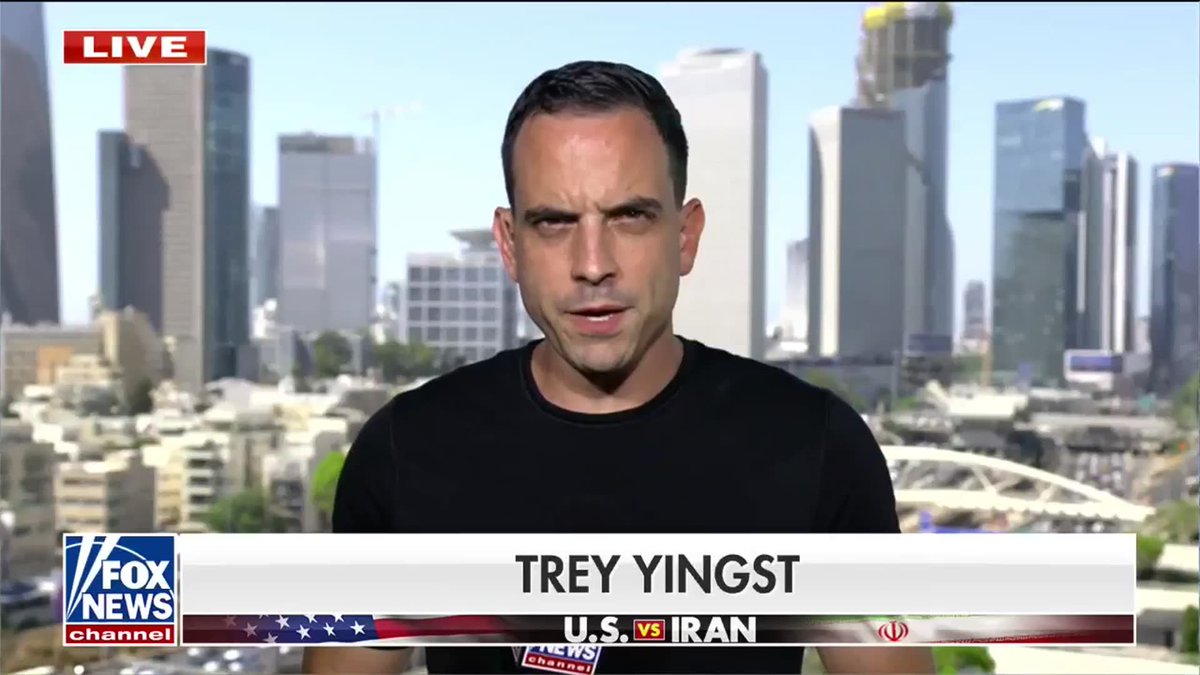
There’s been a rush to interpret recent comments by Iranian officials as an admission that Tehran is nearing its breaking point and urgently needs a deal. I think that reading misses what they are actually saying. The economic strain is clearly severe. Central Bank chief Abdolnaser Hemmati says oil...

27,856 görüntüleme • 1 ay önce •via X (Twitter)

6 Yorum

Kamran Sharizad profil fotoğrafı
Kamran Sharizad1 ay önce

I think that a very large country like Iran, with much prosperity and borders with many different countries, can continuously trade enough to keep Iran economically running

Azita profil fotoğrafı
Azita1 ay önce

Agreed. Araghchi seems to be one of the few making sense here—he understands the leverage game and knows economic pain doesn’t mean Tehran is just gonna roll over.

Moji Gilani profil fotoğrafı
Moji Gilani1 ay önce

@Rob_Malley There is almost zero chance that IRGC will open SoH through negotiations. Simply, the pressure of IR supporters are far more effective. They will be waiting till proximity of congress election to start military campaign so Trump can feel the pain. Trump advisors are not smart!

@ThouArtAlive profil fotoğrafı
@ThouArtAlive1 ay önce

When the hardliners pass a law to outlaw even talking about taking to US then Trump will get what Pezeshkian was talking about was: dealing with US when Trump gives up on bullying because hardliners don't like the idea, not giving in to the bullying.

pablo bartolome profil fotoğrafı
pablo bartolome1 ay önce

They are against the clock, Ormuz is leaky and next year more bypasses will be active, besides the situation in making billions to US O&G and will create problems to China, main Iran backer, clearly a winning strategy

Bart DePalma profil fotoğrafı
Bart DePalma1 ay önce

How long will the military rank and file defend this regime when their families are destitute and starving?

Benzer Videolar

My interview with Jim Sciutto CNN International: A. The fundamental question is: What is the administration’s endgame with Iran? Right now, that remains unclear. Is the objective to weaken Iran, bring down the regime, force Tehran to capitulate, or ultimately return to negotiations and reach an agreement? These are very different objectives that require very different strategies. Until Washington defines what success actually looks like, it is difficult to understand where this conflict is heading or how it is supposed to end. B. Economic pressure is a tool, not an objective, and certainly not an exit strategy. Without a realistic diplomatic off-ramp, maximum economic pressure is more likely to produce escalation than capitulation. The assumption that Washington can continue squeezing Tehran while indefinitely preserving the current status quo is simply unrealistic. Iran has agency in this conflict. Tehran will look for ways to impose costs on the United States and its regional partners. So even if the administration wants to freeze the conflict at its current level, Iran has no reason to accommodate that preference. Washington does not control the escalation ladder by itself. C. Meanwhile, much of the discussion in Washington is focused on the Strait of Hormu which, we should remember, was open before the war, while the strategic problems that helped produce this conflict remain unresolved. The most important is Iran’s nuclear program. In fact, the nuclear challenge may now be more dangerous than it was before the war. Ali Khamenei was deeply hostile to the United States and Israel, but he was also extremely cautious about crossing the nuclear threshold. His removal has changed the decision-making environment in Tehran. With the IRGC now wielding greater influence, the possibility that Iran could decide to move toward a nuclear weapon has become more serious. cannot build a strategy around the assumption that the Iranian regime will collapse. That is not a strategy; it is wishful thinking. Economic pressure, even severe economic pressure, does not guarantee regime change. In fact, it could produce the opposite effect: triggering a nationalist backlash, strengthening the regime’s narrative that Iran is under external attack, and giving the leadership additional justification to crack down internally. Regime change may happen, but Washington cannot make it the central assumption on which its Iran strategy rests. U.S. policy has to be built around the Iran that exists today, not the Iran Washington hopes might emerge tomorrow. E. For the nuclear thtrat - That creates an enormous problem for Israel. It is difficult to imagine any Israeli government simply accepting an Iranian nuclear program moving toward weaponization. So ending the current fighting without addressing the nuclear issue would not resolve the underlying conflict. It could leave Washington and Jerusalem facing an even more dangerous crisis down the road. #IranWar‌ #iran #thebrief

Danny (Dennis) Citrinowicz ,داني سيترينوفيتش

15,414 görüntüleme • 21 gün önce

🇮🇷🇺🇸 Prof. Mohammad Marandi: Iran isn’t interested in another deal. It’s waiting for America to honor the last one. Washington appears to be betting that economic pressure will eventually force Iran back to the negotiating table. Prof. Mohammad Marandi thinks that fundamentally misunderstands Tehran’s position. Iran, he says, believes the negotiation is already over. Trump signed an agreement. Tehran now expects Washington to implement it, and until that happens, Marandi says there will be no new negotiations. “We have a deal. You signed that piece of paper. Whenever you implement the deal, then come talking.” That creates a dangerous problem. The U.S. is continuing its economic siege while Iran has explicitly warned that if Washington succeeds in seriously damaging its economy, Tehran will respond militarily. Iran cannot sanction American banks or shut down the U.S. economy, Marandi argues, so its response would be against U.S. economic assets, or assets it considers linked to Washington, across the region. Then America faces pressure to retaliate. And the cycle starts again. Marandi says a larger war in the coming weeks or months is now a serious possibility, whether triggered by Iranian retaliation, a desperate U.S. escalation, or another Israeli attack that pulls Washington back in. The two sides aren't negotiating toward the same finish line anymore. Washington is waiting for Iran to concede. Iran, meanwhile, is waiting for Washington to concede first. Seyed Mohammad Marandi

Mario Nawfal

335,898 görüntüleme • 12 gün önce

BIG | 🇺🇸🇮🇷‼️‼️ U.S. intelligence believes Tehran is settling in for a prolonged confrontation, increasingly confident that it can keep striking across the Middle East while using time, economic disruption and American political pressure as weapons against Washington. According to The New York Times, the conflict has given Iran a clearer understanding of its own military capabilities, while U.S. officials see few signs that Tehran is ready for serious negotiations or a comprehensive settlement. American assessments also warn that additional sanctions and economic pressure could intensify the already ongoing escalation in the short term. Tehran appears to believe that prolonging the confrontation can increase pressure on the Trump administration ahead of the November midterms, particularly through higher energy prices and growing war fatigue. Reuters reporting reinforces that concern: the conflict has already pushed oil prices sharply higher, while Trump’s approval remains at 33% and public support for the Iran war is weak. Tehran’s calculation is dangerous precisely because Trump’s strategy has not yet produced the decisive outcome Washington sought. Iran has been battered, but it has neither accepted a comprehensive settlement nor abandoned its ability to impose costs across the region, and the conflict is already in its seventh month. Simply applying more economic pressure while allowing the regime to dictate the tempo risks giving Tehran the prolonged contest it wants. Washington needs a clearer strategy that combines military pressure, economic isolation and political leverage to weaken the regime’s capacity to sustain the conflict and prevent it from turning American domestic fatigue into strategic survival. See the latest updates with us: Visioner

Visioner

26,833 görüntüleme • 20 gün önce

BIG | 🇮🇷🇺🇸‼️‼️ Iran’s leadership is reportedly locked in a major internal struggle over how to break the increasingly costly deadlock with the United States, with one camp pushing for renewed negotiations while hard-line military figures advocate a much broader escalation of the war. According to The New York Times, hard-line commanders have proposed intensifying pressure on U.S. forces and regional energy infrastructure while mobilizing Iran-aligned groups, particularly the Houthis in Yemen and Shiite militias in Iraq. The strategy is intended to increase the economic and military costs of the conflict and pressure Washington over its naval blockade. President Masoud Pezeshkian and Parliament Speaker Mohammad Bagher Ghalibaf have opposed the escalation plan, warning that it could provoke heavier U.S. attacks and deepen Iran’s already severe economic crisis. The debate is becoming more consequential as Tehran’s economic position deteriorates while the regional conflict continues to widen. Iran’s hard-liners appear to believe that greater military pressure can create enough economic pain to force Washington toward concessions, but that strategy also carries the danger of triggering an even larger confrontation that Iran would struggle to sustain. The competing approach seeks to convert Tehran’s remaining leverage into negotiations before the blockade and prolonged war inflict still deeper economic damage. See the latest updates with us: Visioner

Visioner

35,983 görüntüleme • 11 gün önce

🇮🇷🇺🇸 Prof. Mohammad Marandi: If Trump’s sanctions actually work, war may become inevitable Iran's economy is unquestionably worse than before the war, he says. Infrastructure is damaged, sanctions hurt, and Tehran is shifting toward a wartime economy. But Iran isn't thinking about surrender. It's preparing for another war. Marandi argues Tehran has spent decades preparing for exactly this confrontation, building underground facilities while developing missiles and drones. And he believes Iran is now rapidly expanding those capabilities during the current lull. That creates a nasty paradox for Trump's “Economic D-Day.” If the sanctions fail, Iran can simply absorb the pressure and wait. If they succeed in seriously damaging Iran's economy, Marandi believes Tehran will retaliate, potentially targeting American economic and military interests across the Gulf. And Iran still has another lever: Hormuz. Marandi argues Tehran could gradually tighten the flow of oil and other critical commodities, increasing pressure on global markets without immediately returning to full-scale war. So Washington's problem is becoming increasingly uncomfortable. Sanctions that don't work accomplish very little. Sanctions that do work may restart the war. And Marandi's conclusion is remarkably simple: if Washington is serious about using economic pressure to overthrow the Iranian government, renewed conflict is “inevitable.” Seyed Mohammad Marandi

Mario Nawfal

317,433 görüntüleme • 26 gün önce