Video wird geladen...

Video konnte nicht geladen werden

Zur Startseite

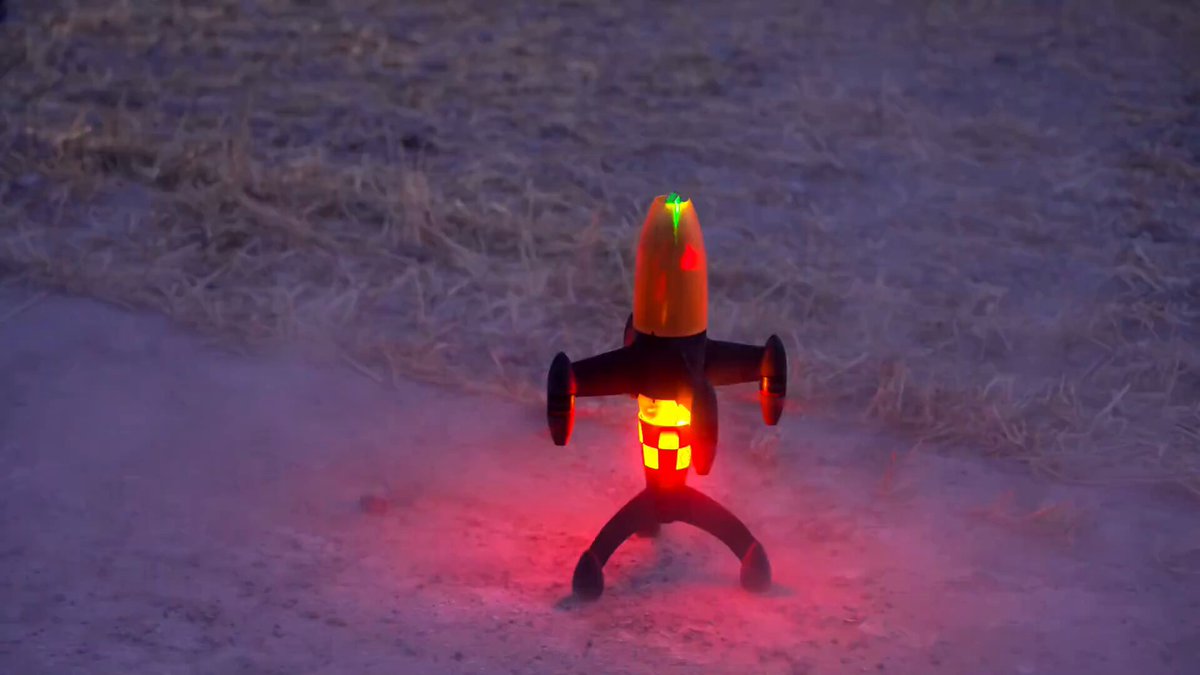
Third rate Assassin uses pistols. While first Assassin uses their intelligence mechanic 😎 Title Mechanic resurrection 🎬

658,193 Aufrufe • vor 2 Monaten •via X (Twitter)

0 Kommentare

Keine Kommentare verfügbar

Kommentare vom Original-Post werden hier angezeigt

Ähnliche Videos

Glimpse into the world of an oil change done with ease by a pro. ​Ever wonder what a flawless, textbook oil change looks like when performed by a pro? We broke it down step-by-step to show you the precision, care, and cleanliness required for a job done right. ​Step 1: The Drain & Prep ​First things first: getting that old oil out. The mechanic lifts the vehicle, locates the drain plug, and carefully loosens it. Bringing over the oil catchment system ensures no mess. The plug is removed, allowing the dirty oil to drain out completely. ​Step 2: The Filter Swap (The Clean Way) ​Changing the oil filter can get messy—but not on our watch. The mechanic uses a clever, moldable green deflector tool to create a funnel underneath the filter. As the old filter is unscrewed, the excess oil catches and flows perfectly into the basin without touching the car's frame. Once drained, the old filter is removed, the mating surface is wiped clean with a fresh rag, and a brand-new blue filter is prepped and securely hand-tightened into place. ​Step 3: Resealing & Torquing ​Before anything else, the drain plug needs to go back in. The mechanic cleans the area, threads the plug by hand, and then uses a precision torque wrench to tighten the lugs on the wheels to exact factory specifications. No overtightening, no stripped threads—just perfect calibration. ​ Step 4: The Fresh Refill ​With the underside completely sealed, the car is lowered. A clean funnel is placed into the engine bay, and fresh, golden oil is metered out and poured in. The oil cap is twisted back on securely. ​ Step 5: Verification ​A quick turn of the ignition to let the new oil circulate through the engine, followed by a dipstick check. The mechanic pulls the dipstick, wipes it clean, inserts it again, and reads the level to confirm it is exactly where it needs to be. ​Step 6: The Showroom Finish ​We don’t just stop at the mechanical work. To wrap it all up perfectly, the engine bay gets a thorough pressure wash and detail, blowing away any dust or road grime. The hood is shut, and this Honda is officially ready to hit the road for thousands of trouble-free miles. ​Efficiency. Precision. Cleanliness. That’s how a job is done perfectly.

Chuckling Charlie

278,507 Aufrufe • vor 1 Monat

GOV OWNS MULTIPLE PATENTS - How To Steer & Control Hurricanes & Tornadoes Here are some key patents related to weather modification, specifically focusing on hurricane and tornado control: 1. Publication No. 20120024972 Title: Apparatus for Reducing the Intensity of a Cyclone Description: This patent involves a device that floats on water and uses a pump to spray cooler water from deeper parts of the ocean into the atmosphere. This is aimed at cooling the air, which can reduce the intensity of cyclones by depriving them of the warm air that fuels their strength. 2. Publication No. 20110284649 Title: Apparatus and Method for the Mitigation of Rotating Wind Storms Description: This method aims to weaken tornadoes by creating a rising column of warm air in the storm's path, which disrupts the atmospheric conditions that feed the tornado. It uses a combination of heaters and fans to cool the earth and surrounding air, reducing the tornado’s strength. 3. Publication No. 20110198407 Title: Method and Apparatus to Break Up or Annihilate Typhoons, Tornadoes, Cyclones, or Hurricanes Description: This invention proposes using controlled implosions to break up air and water systems that form destructive storms like hurricanes and tornadoes. It absorbs forced air and water displaced by these natural phenomena and breaks them down through implosion. 4. Publication No. 20110174892 Title: Apparatus and Related Methods for Weather Modification by Electrical Processes in the Atmosphere Description: This patent focuses on using electrical charges to modify weather patterns. The apparatus generates an electric charge at high altitudes to influence atmospheric conditions and could be used to increase precipitation or manipulate other weather elements. 5. Publication No. 20110168797 Title: Method of Weakening a Hurricane Description: This method suggests disrupting the eye of a hurricane by either inducing rainfall in the surrounding areas or using absorbent materials like oatmeal to reduce moisture in the storm. It also proposes cooling the air in front of the hurricane to slow its development. 6. US Patent No. 20060201547A1 Title: Hurricane Control via Alteration of Inner Water Vapor Content Description: This patent discusses methods to reduce a hurricane’s strength by altering the water vapor content within the hurricane's eye wall. The idea is to introduce a substance that absorbs moisture, thereby disrupting the storm's fuel source—warm, moist air. 7. US Patent No. 4712155 Title: Method of Controlling Weather Description: This patent focuses on using microwave energy to manipulate the weather, including hurricanes. It proposes directing microwaves to specific areas of the atmosphere to heat or cool air masses, potentially altering weather patterns, including storms. 8. US Patent No. 3564253A Title: System and Method for Irradiation of Planetary Atmosphere Description: This patent describes irradiating the upper layers of the atmosphere to alter weather patterns. While not specific to hurricanes, this method could be used to impact large-scale atmospheric conditions and potentially prevent or mitigate hurricane formation. 9. US Patent No. 20030085296A1 Title: Hurricane and Tornado Control Device Method: Uses sound waves to steer, disrupt, or enhance the formation of hurricanes and tornadoes. 10. US Patent No. 20060201547A1 Title: Hurricane Control via Alteration of Inner Water Vapor Content Method: Reduces hurricane strength by altering water vapor content in the eye wall. 11. US Patent No. 4712155 Title: Method of Controlling Weather Method: Uses microwave energy to manipulate weather, including hurricanes. 12. US Patent No. 3564253A Title: System and Method for Irradiation of Planetary Atmosphere Method: Proposes irradiating the atmosphere to alter weather patterns, including preventing hurricanes. 🎥 In2ThinAir #HurricaneControl #WeatherModification #PatentTech #HurricaneHelene #StormSteering #ClimateEngineering

Kristy Tallman

28,322 Aufrufe • vor 1 Jahr

How a Chief Design Officer (yours truly) uses AI to design like an IC. This demo is for any designers that haven't yet embraced AI in their workflow. I’m one of two designers working on this plugin. I manage an organization of about 40 designers of various flavors, but I still keep myself in the trenches whenever possible. Lynt is one of these efforts. The examples I share are intentionally very simple to demonstrate how any designer at any level can leverage artificial intelligence to amplify and accelerate their human intelligence. AI is revolutionizing how we work as designers, yet I think of it more like a renaissance; a return to designing in consideration of the medium in which our designs are rendered, much like we did years ago when I first started. Arbitrarily, something like 80% of what we do as designers (in the act of designing) is exploration and iteration. For the past decade or more so much of that has happened in Figma and previously Sketch. These are great tools. But as a result of designing exclusively in a static environment, many have lost the ability to connect ideation with execution. Handholding your work from start to finish eventually gave way to handing off your work, and we never looked back. Artificial intelligence flips all of this on its head, positioning you (the designer) to be the one who first turns your design into code, iterate and iterate again, and experience using your work as users will, literally from day one of your design process. All the while freeing our engineering colleagues to focus on the work that only they can do, while designing alongside them.

Cameron Moll

57,847 Aufrufe • vor 3 Monaten