Video wird geladen...

Video konnte nicht geladen werden

Zur Startseite

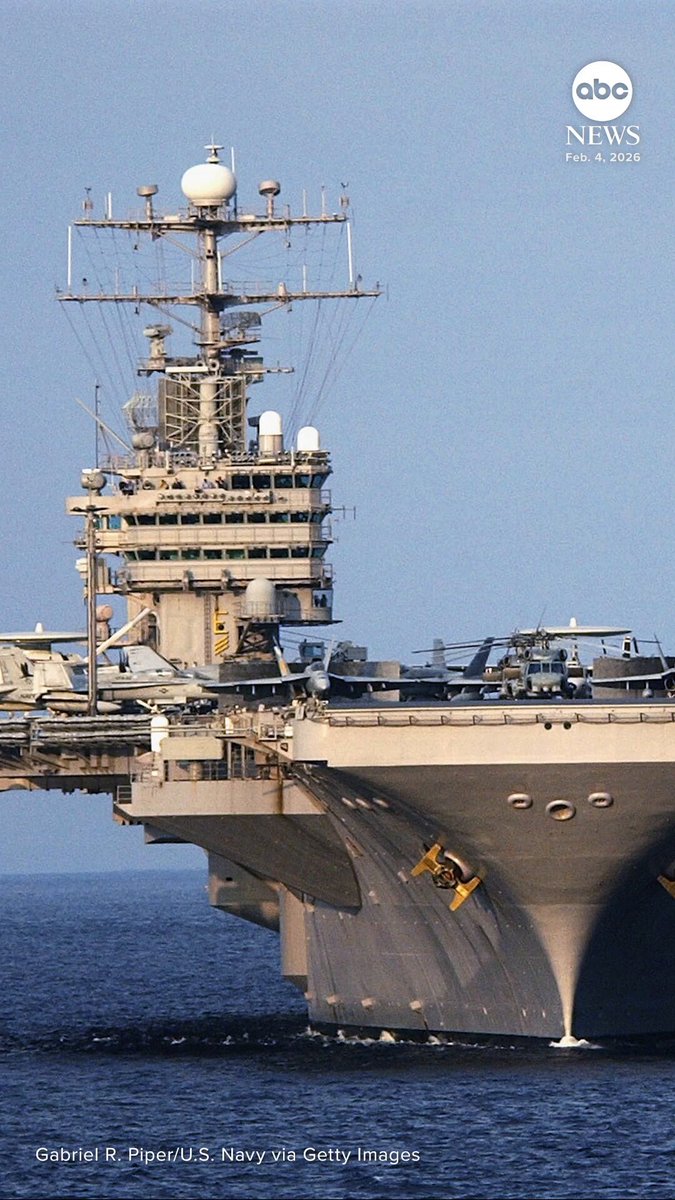
This $140 million system can stop a fighter jet in seconds. It is the cable on a carrier deck that catches aircraft as they land and holds them fast. High speed, total control. If you find this amazing, share it.

174,495 Aufrufe • vor 9 Monaten •via X (Twitter)

0 Kommentare

Keine Kommentare verfügbar

Kommentare vom Original-Post werden hier angezeigt

Ähnliche Videos

This is restored footage of a F6F Hellcat belly-landing on a carrier in 1944, with no landing gear, sliding down the deck. Watch what the crew does. They do not run away from the crashing plane. They run toward it. This is the story of the men on the deck.. A Controlled Crash Landing an aircraft on a carrier has been called one of the most difficult and dangerous things in all of aviation. Some pilots described it as a controlled crash. Think about what it involves. A fighter comes screaming toward a tiny strip of deck on a ship that is itself moving through the ocean, pitching on the swell. The pilot has only a few feet of margin. He has to slam his aircraft down onto a precise spot, at exactly the right speed and angle, again and again, every time he comes home. To stop the plane in the short space of the deck, each aircraft had a hook mounted under its tail. As it touched down, that tailhook had to catch one of several steel cables stretched across the deck, called arresting wires. The cable would snatch the speeding fighter and drag it to a halt in about two seconds. But what happened when it went wrong? When Things Went Wrong That is where the danger truly began. If a pilot came in with damaged landing gear, or no gear at all like the Hellcat in this footage, or if his tailhook missed every wire, the aircraft became a several-ton object sliding down a steel deck out of control. And the front of that deck was not empty. It was often packed with other aircraft, fueled and armed, and crowded with men working. A plane that slid all the way forward could plow straight into parked aircraft and deck crews, and turn the whole deck into an inferno. So the carriers had a last line of defense. A crash barrier, a wall of heavy steel cable raised across the middle of the deck, designed to catch a runaway aircraft and stop it before it reached the crowd at the bow. Time and again, that barrier was all that stood between one bad landing and a catastrophe. The Landing Signal Officer Guiding every one of those landings was one man in an incredibly exposed position. He was the Landing Signal Officer, and he stood on a small platform at the aft port side of the flight deck, close to where the aircraft came in. Holding a bright paddle in each hand, he signaled to each incoming pilot, telling him he was too high, too low, too fast, lined up wrong, or clear to land. The pilot trusted those paddles with his life. A good Landing Signal Officer could talk a shaken pilot and a shot-up aircraft safely down onto the deck. It was a job that demanded total calm and split-second judgment, over and over, with lives riding on every signal. One young officer who served as a Landing Signal Officer early in the war, David McCampbell, would go on to become the US Navy's top-scoring ace. The Men Who Ran Toward the Fire Then there were the men who ran toward the fire. The flight deck of a wartime carrier was a storm of spinning propellers, roaring engines, live bombs, high-octane fuel, and steel cables under enormous tension that could snap and cut a man in half. To manage the chaos, the crews wore jerseys in different colors, each color marking a job, so that in the deafening noise everyone could tell at a glance who did what. Men in one color directed the aircraft, another handled the arresting gear, another fueled the planes, another the bombs. And among them were the men in heavy asbestos suits, nicknamed the Hot Papas. Their job, when an aircraft crashed and burst into flames, was to run directly into the fire and pull the pilot out. That is what you are watching in this footage. As the Hellcat grinds to a stop, the men who rush toward it are not spectators. They are doing their job, closing on a possible fire and a trapped pilot without hesitating. The Forgotten Crew Landing accidents like this happened constantly. Belly landings, missed wires, barrier crashes, and deck fires were so common that they were simply accepted as part of the price of operating aircraft at sea. For every dramatic dogfight in the sky, there were thousands of these tense, dangerous moments on the deck, handled by young men in colored shirts who are almost never remembered. The pilots got the glory, and they earned it. But they could not have flown at all without the deck crews who launched them, guided them home, caught them when they came in wrong, and ran into the flames when it all went bad. The next time you see footage like this, do not just watch the plane. Watch the men around it. They worked one of the most dangerous jobs of the entire war, and most of the world never knew their names. This was the story of the carrier deck crews. I post a story like this every single day. Most people never see them. Follow so you don't miss the next one.

Untold War Stories

145,990 Aufrufe • vor 1 Monat