Video yükleniyor...
Video Yüklenemedi
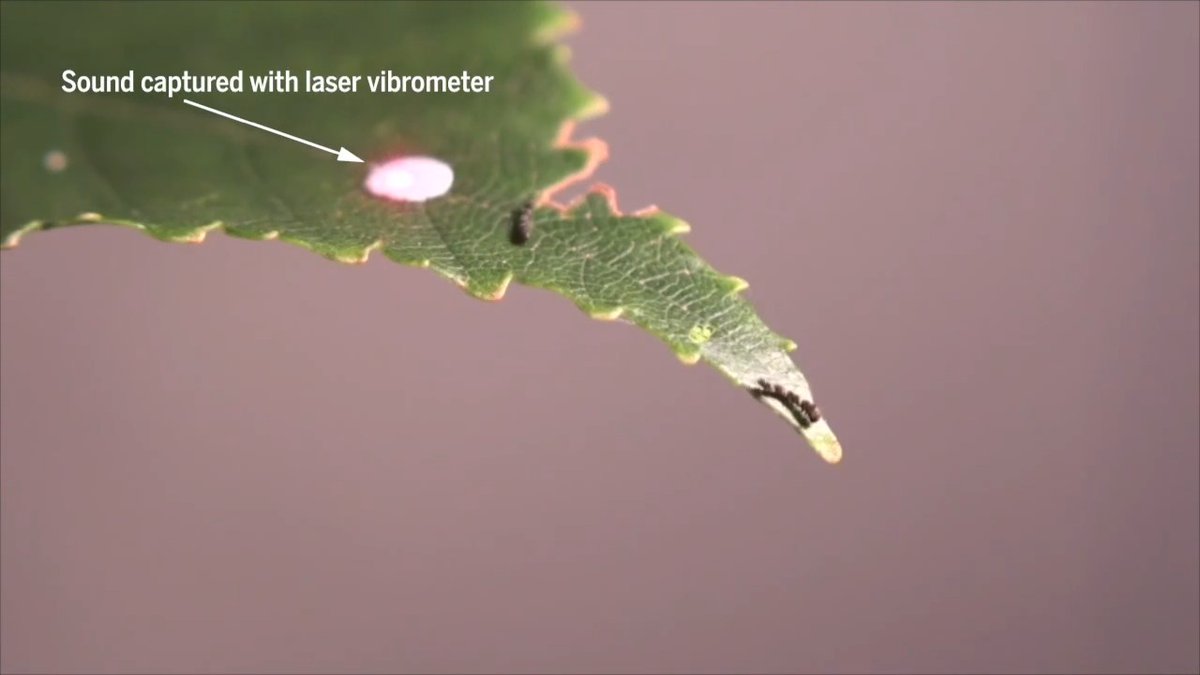
This caterpillar creates a little hut to hide from predators while eating

12,390,242 görüntüleme • 2 yıl önce •via X (Twitter)
9 Yorum

A true camouflage master 🫡 This is a common baron caterpillar on a mango leaf (its favorite food); its yellow-white spine perfectly aligns!

The child is having fun with the tiger 😂😂

They left him alone 😭
Showdown between two fierce apex predators

What animal is this?

Gorgeous Caterpillar

The Spicebush Swallowtail caterpillar looks like a cartoon character but it’s real. It’s distinguished by its vibrant green color adorned with white and black markings, can reach a length of up to 2 inches. On the other hand, the Spicebush Swallowtail butterfly, native to the eastern United States, showcases a captivating beauty with a wingspan spanning 3-4 inches. Its remarkable appearance is characterized by a vivid blue-green hue and prominent black spots. Within its ecosystem, the Spicebush Swallowtail butterfly plays a crucial role as a pollinator, aiding in the survival of numerous plant species by facilitating the process of pollination. Furthermore, the caterpillar stage of this butterfly is an essential component of the food chain, serving as a vital food source for various birds and other animals. The preferred host plants for both the Spicebush Swallowtail caterpillar and butterfly include the spicebush, sassafras, and tulip poplar. The caterpillar feeds on the leaves of these plants, contributing to its growth and development. Likewise, the Spicebush Swallowtail butterfly sustains itself by feeding on the nectar of several nectar-rich flowers such as Japanese honeysuckle, jewelweed, thistles, milkweed, lantana, and sweet pepperbush. Notably, the butterfly tends to gravitate towards plants belonging to the Lauraceae family when seeking nourishment. Text credit: @Earth Unreal Images credit: Jay Cossey

A beautiful baby octopus.

Check out this incredible caterpillar that mimics a feather to evade hungry birds, filmed in the forests of Ecuador by photographer Andreas Kay.