Загрузка видео...
Не удалось загрузить видео
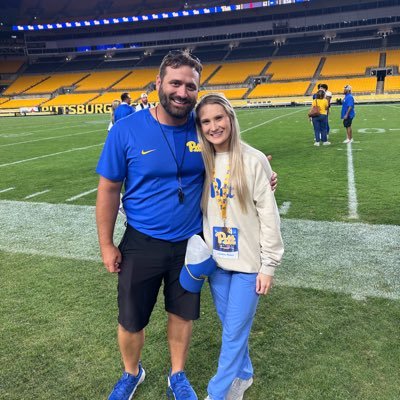
Thread:If QB has issue with front foot over stride, knee lock out try this drill. Can have them work through progression or throw in rhythm. Keep enough space for small front step. This helps QBs maintain distance in clean pocket, quicken release, and be more efficient throwers.
46,759 просмотров • 3 лет назад •via X (Twitter)
Комментарии: 0
Нет доступных комментариев
Здесь появятся комментарии из оригинального поста


![I encourage attackers to drive at the hips of defenders for a few reason; — 1v1 is a duel of footwork (momentum) & angles, the avenue to space is through an angle which can disrupt the opponent’s footwork (momentum) — It offers big-space players a reference to be successful in small spaces — Directly confronting the defender (driving/touching the ball towards their hips [centre]) means you’re moving into their ‘personal space’, which naturally makes humans uncomfortable, increasing the probability for the defender to make an impulsive reaction to your action. • We know Garnacho’s relationship with the ball isn’t watertight, a consequence of his narrow footwork, which reflects in his dribbling & shooting actions —> more specifically, his inability to make many multi-directional touches in his stride + his loose connections with the ball. Because of this he’s more likely to pose threat in bigger spaces, as he’s a willing goal-getter & has fair speed, but struggles to manufacture big enough space for his key actions when the opponents congest space deeper. • What trumps all of this is Garnacho lacking methodology in his dribbling, which would help him maximise his strengths & minamise the affect of his weaknesses. Garnacho drives towards the goal with the intention to cut inside and open an angle on his strong foot, but this angle of approach keeps the defender parallel to the ball (good momentum & maintain footwork) and closer to the space inside that Garnacho wants to take If he had driven at the hips (squared his man up) he could’ve; = pushed the opponent’s momentum onto back foot = reduced the need for sharp COD touches to access the inside angle (his weak point) & maintain his own momentum = kept open bigger space either side of him If you want big space, you have to make it. Targetting the defender’s central point within their personal space can support this.](https://image.24vids.com/tw-1928103450182648052/amplify_video_thumb/1928103392636792832/img/Puo2iEWVoy7zlK7f.jpg)


![𝗦𝗣𝗖𝗔 𝗪𝗔𝗥𝗡𝗦 𝗔𝗚𝗔𝗜𝗡𝗦𝗧 𝗛𝗨𝗥𝗧𝗜𝗡𝗚 𝗢𝗥 𝗞𝗜𝗟𝗟𝗜𝗡𝗚 𝗦𝗡𝗔𝗞𝗘𝗦 The Society for the Prevention of Cruelty to Animals [SPCA] in Phalaborwa has urged residents not to hurt or kill snakes when they encounter them in residential areas. This follows a recent call for assistance after an African rock python found its way into a residential area in Phalaborwa [𝘃𝗶𝗱𝗲𝗼]. The SPCA acknowledges that snakes can be frightening, but says they play an important role in the ecosystem by controlling prey populations and contributing to a healthy natural environment. Residents who find a snake in their home or yard are advised to: 🚫 Do not try to kill it. 🚫 Do not attempt to handle it yourself. 🐍 Keep a safe distance and give the snake space. 📞 Contact the SPCA for assistance. #LimpopoChronicle](https://image.24vids.com/tw-2092150059018105332/amplify_video_thumb/2092149949676781568/img/RuMLc_9sXWn-230x.jpg)


