Loading video...
Video Failed to Load
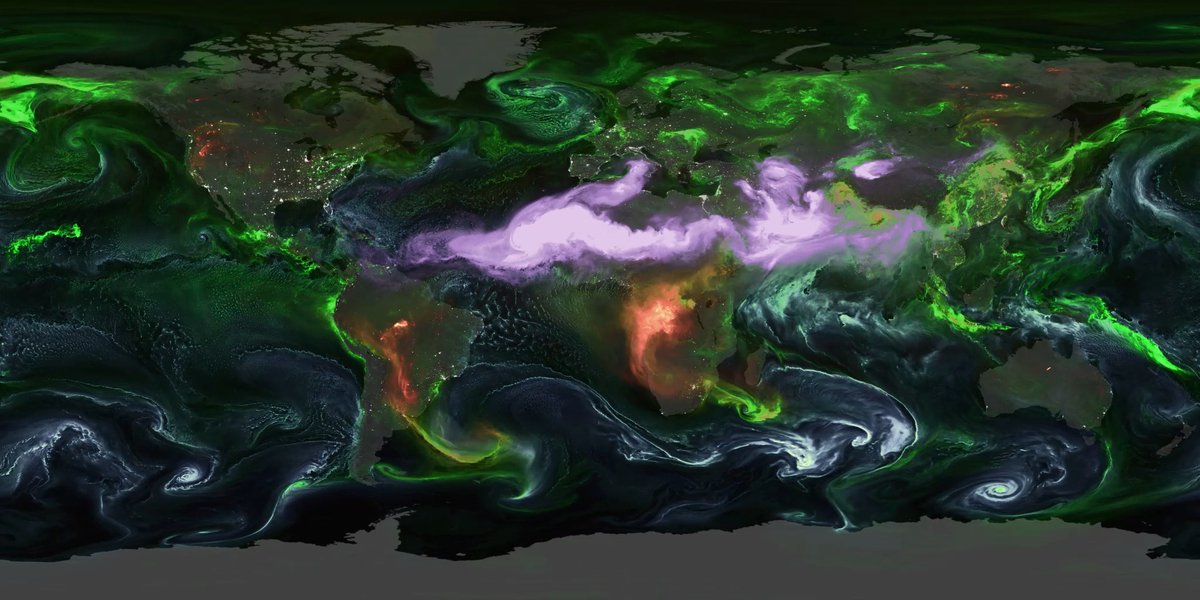
Tiny particles floating in our air. This visualization shows how tiny particles called aerosols move through Earth's atmosphere from August 1 to September 14, 2024, using NASA's Goddard Earth Observing System (GEOS) model. These particles, which include sea salt, dust, smoke, and sulfates, can travel thousands of miles and... show more

42,556 views • 1 year ago •via X (Twitter)
7 Comments

Bud Christenson🌎🌊💉🚀🇺🇸🇺🇦1 year ago
What, tRump's "see no evil" juggernaut hasn't killed this project yet? Thank goodness for small favors.

avelino carvalho1 year ago
Agora eu pergunto; há chance de não ser fã da NASA? Analisem as descobertas, a coleta de dados, os estudos bem planejados, a tecnologia sempre de ponta, isso em todos os segmentos. 💙❤️💙❤️💙

O T1 year ago
Looks like oils and paint mixing! 🤔

Diane1 year ago
I knew I wasn't seeing things. I could see them out my window and it wasn't misting out.

Tj Nova1 year ago
That's a lot of vape juice.

Dark Matter1 year ago
🙏

But who's counting?1 year ago
Electromagnetic got to be involved at that scale.
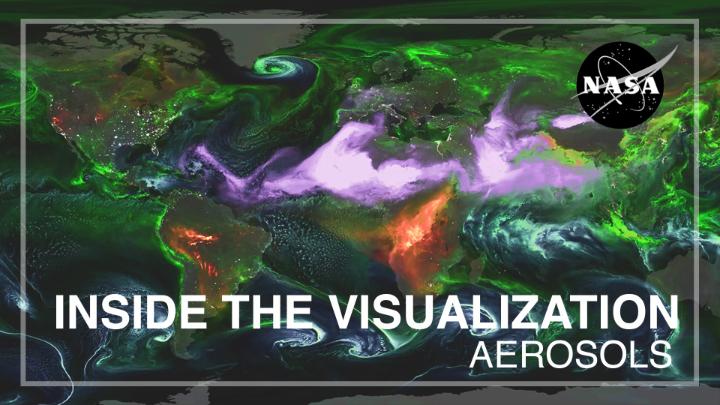

![🤓 Man, this is some very cool stuff from NASA! It visualizes one month of aerosol particles moving throughout Earth's system (from August 2024). Green=Sulfate Red=Carbon Purple=Dust Cyan=Sea Salt [Keen readers will note the pun above😉]](https://image.24vids.com/tw-1995338002424340891/amplify_video_thumb/1995337378982952960/img/CeHkAuez_GH6wQRt.jpg)