Video yükleniyor...

Video Yüklenemedi

Ana Sayfaya Dön

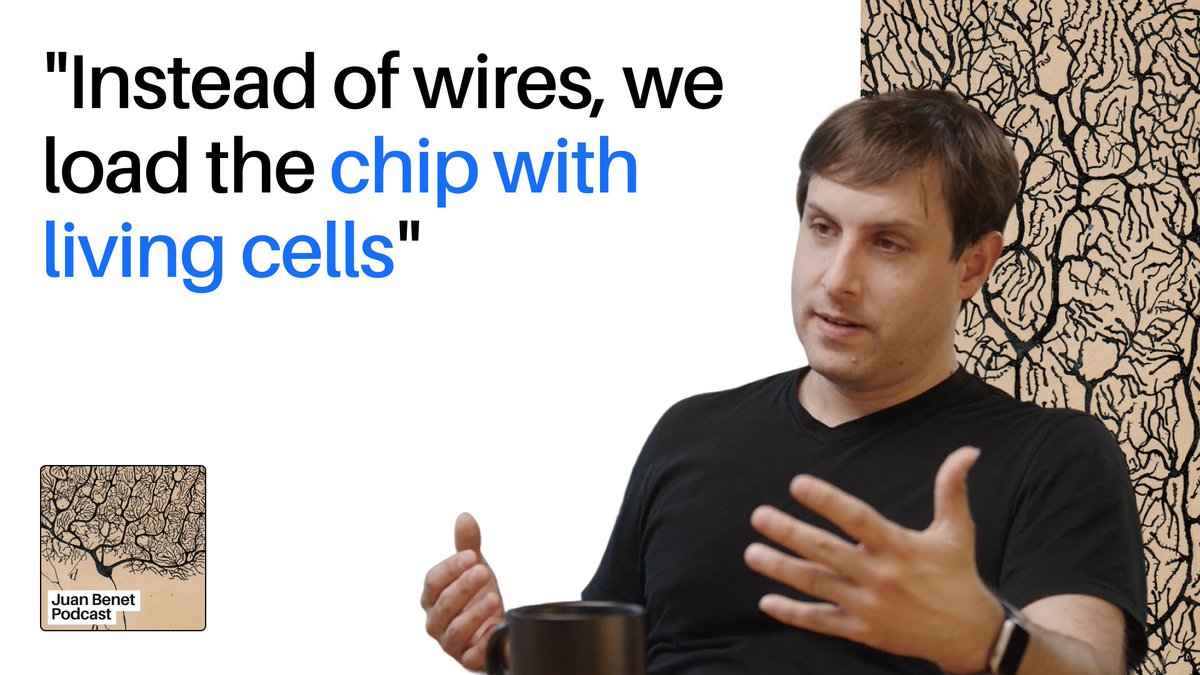
Today on MCG: BioLLM | $BIOLLM It's the first ever "living language model" using 800,000 real human neurons grown on a chip. The Founder encoded LLM tokens into biological neurons via the Cortical Labs CL1, then woke up to find the crypto community had launched a token on his...

16,826 görüntüleme • 3 ay önce •via X (Twitter)

0 Yorum

Yorum bulunmuyor

Orijinal gönderinin yorumları burada görünecek

Benzer Videolar

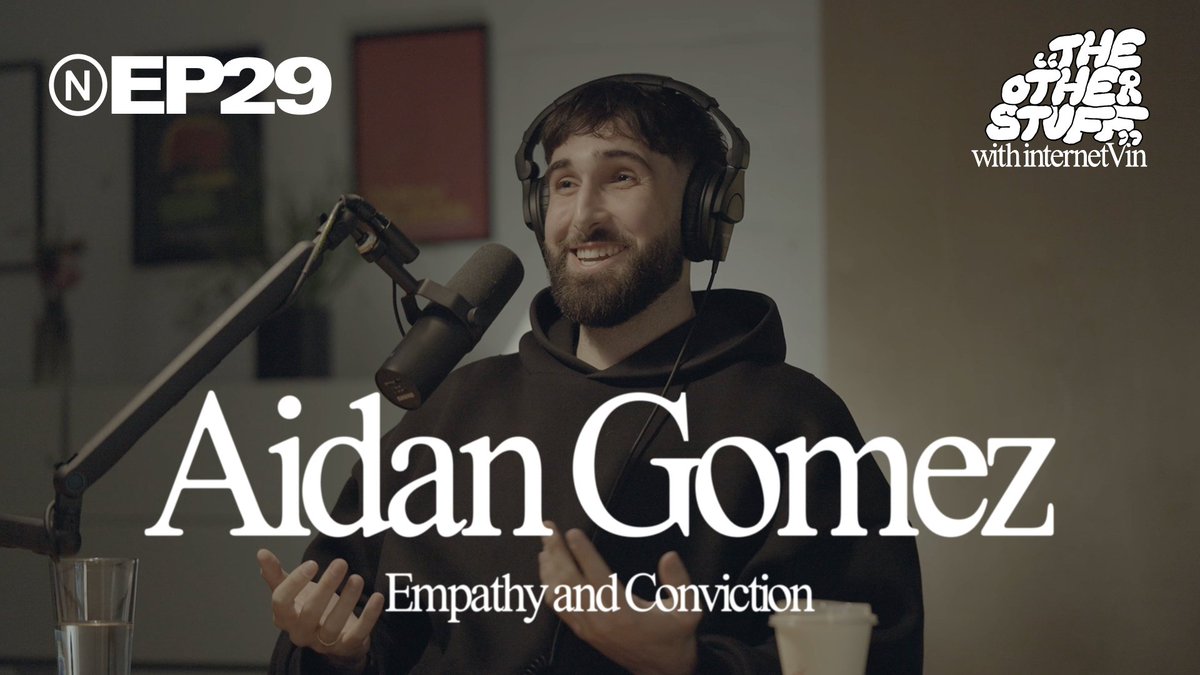
Aidan Gomez (Aidan Gomez) is a computer scientist, co-author of the seminal paper ‘Attention Is All You Need,’ and the CEO of Cohere. In this episode, we discussed his upbringing in the cabin his grandfather built in Codrington, a small town North of Brighton, and the values that were instilled in him through his family. We explored his path from Codrington to his undergraduate studies at the University of Toronto, emailing Geoffrey Hinton, and joining Google Brain where he co-wrote the paper on transformers. We discussed how he met his co-founders Ivan Zhang and Nick Frosst, and his insights on what it means to build a meaningful, successful company in Canada. Aidan shares his conviction about what is at stake — for Canada and for the world at large. This is a conversation about family, values, and what it means to live with conviction. The Other Stuff is hosted by internetVin — filmmaker, entrepreneur, and possibly the most curious man on Earth. Produced by New. The Other Stuff #29 — Aidan Gomez: Empathy and Conviction — Timestamps 00:00:00 Intro 00:03:10 The Malleability of Toronto 00:11:06 Growing Up in Codrington 00:13:50 The Story of Aidan Gomez’s Family 00:27:23 Introduction to the Internet 00:30:39 Values and Work Ethic 00:35:46 University of Toronto’s AI Scene 00:40:48 Emailing Geoffrey Hinton 00:42:16 Google Brain 00:45:15 Dropout: A Simple Way to Prevent Neural Networks from Overfitting 00:49:48 The Beauty of Research 00:54:24 One Model to Rule Them All 00:59:54 Meeting Ivan Zhang and Nick Frosst 01:04:00 The Birth of Cohere 01:06:56 Twitter Influencers and Alex Friedland 01:11:48 Being the CEO 01:12:51 Building for Canada 01:15:01 Three Fundamental Ingredients of Building a Company 01:21:39 Working with the Canadian Government 01:24:39 Reflexivity in Canada 01:36:22 What Is Evil? 01:42:40 The Role of AI in the World

The Other Stuff Podcast

45,297 görüntüleme • 8 ay önce

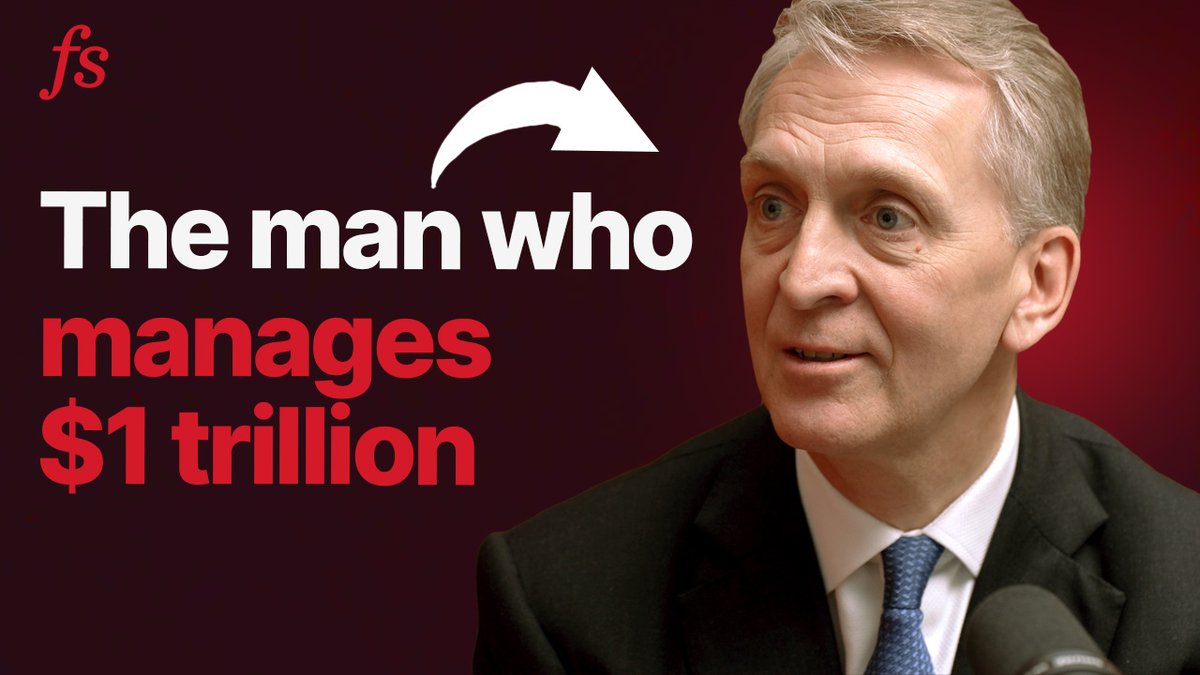
My conversation with OpenAI co-founder Greg Brockman This is the most detailed first-person account of the 72 hours after Sam Altman was fired. We also go deep on what comes next: the global race to AGI, why ChatGPT stopped showing reasoning, how much of OpenAI's own code is now written by AI ("it's hard to know what percent is not"), and the untold story of how OpenAI actually started in 2015. 00:00:00 Introduction 00:00:49 Meeting Sam Altman and Starting OpenAI 00:02:40 Building the Founding Team 00:04:25 DeepMind's Lead Over OpenAI 00:04:54 Changing OpenAI to a For-Profit Model 00:06:05 Breakthrough Moments at OpenAI 00:08:22 What Dota 2 Meant for OpenAI 00:10:04 Reasoning Versus Prediction 00:11:59 Tensions Grow at OpenAI 00:15:44 Sam Altman's Firing 00:17:49 Greg Quits OpenAI 00:19:56 Sam Explores Deal with Microsoft's Satya 00:20:28 Petition for Altman's Return 00:23:43 Ilya Sutskever Leaves OpenAI 00:24:59 Lessons Learned after Sam Ousting 00:28:22 The Thing Ilya Said that Greg Can't Forget 00:32:22 Is AI Going Parabolic? 00:33:24 How Much of OpenAI's Code is Written by AI? 00:36:21 Do AI Chatbots Tell Us What We Want to Hear? 00:38:06 The Global AI Race to Reach AGI 00:38:40 What Happens if US Doesn't Reach AGI First? 00:39:49 Are Countries Stealing AI Advancements? 00:40:38 Why ChatGPT No Longer Shows Reasoning 00:41:47 The Finite Constraints of Compute 00:43:38 On Investing Early in Data Centers 00:46:31 The Future of Data Center Specialization 00:47:52 How to Decide Whose Queries to Serve 00:49:08 OpenAI on Consumer vs Enterprise Models 00:53:05 Data Centers in Space? 01:00:56 What Should AI Regulation Look Like? 01:04:33 The Future of AI-Powered Entrepreneurship 01:04:44 AI and Job Loss 01:07:15 The Skills Young People Should Invest In 01:11:30 What Does Success Look Like For You? Full episode on X below. Also find it on: • YouTube: • Spotify: • Apple:

Shane Parrish

450,952 görüntüleme • 4 ay önce

We don't know what most microbial genes do. Can genomic language models help? there's only one way to find out! this is a 1 hour and 42 minute interview with an MIT professor (the famous Yunha Hwang) chatting about these questions, her work in solving them at Tatta Bio, and more. zoomer captions are back too Links in reply! Timestamps: 00:00:00 - Clips + sponsor roll from the wonderful LatchBio 00:02:07 – Introduction 00:02:23 – Why do microbial genomes matter 00:04:07 – Deep learning acceptance in metagenomics 00:05:25 – The case for genomic “context” over sequence matching 00:06:43 – OMG: the only ML-ready metagenomic dataset 00:09:27 – gLM2: A multimodal genomic language model 00:11:06 – What do you do with the output of genomic language models? 00:17:41 – How will OMG evolve? 00:20:26 – Why train on only microbial genomes, as opposed to all genomes? 00:22:58 – Do we need more sequences or more annotations? 00:23:54 – Is there a conserved microbial genome ‘language’? 00:28:11 – What non-obvious things can this genomic language model tell you? 00:33:08 – Semantic deduplication and evaluation 00:37:33 – How does benchmarking work for these types of models? 00:41:31 – Gaia: A genomic search engine 00:44:18 – Even ‘well-studied’ genomes are mostly unannotated 00:50:51 – Using agents on Gaia 00:54:53 – Will genomic language models reshape the tree of life? 00:59:18 – Current limitations of genomic language models 01:08:54 – Directed evolution as training data 01:12:35 – What is Tatta Bio? 01:19:02 – Building Google for genomic sequences (SeqHub) 01:25:46 – How to create communities around scientific OSS 01:29:06 – What’s the purpose in the centralization of the software? 01:35:37 – How will the way science is done change in 10 years?

owl

44,279 görüntüleme • 8 ay önce

From a Thai prison cell to a fintech empire processing $1.6B in international payments across 40+ banks and 250M+ users. Jonathan Low (Jonathan Low). Forbes 40 Under 40. Author of "Cell to CEO." We covered prison, banking for AI agents, RWA projects, the future of crypto in banking, vibe coding for trading, and the businesses that win the next 5 years. ⏱ Timestamps: 00:00:00 — Teaser 00:00:46 — Who is Jonathan Low 00:01:35 — What Jonathan's life was like before prison 00:02:13 — How and why Jonathan ended up in prison 00:02:57 — Prison conditions: expectations vs reality 00:07:33 — Prison became the greatest blessing 00:09:12 — How the entrepreneurial journey began after prison 00:10:34 — Why social capital matters 00:11:06 — Launched own club and took it to the top in 3 months 00:12:09 — Built an Axie Infinity gaming guild during COVID 00:13:49 — The beginning of the BipTap Group journey 00:17:23 — How Jonathan built his own banking system 00:20:07 — How to get a crypto card 00:22:03 — How much it costs to launch a white-label solution with BipTap 00:22:58 — Banking for AI agents 00:25:57 — How to build an RWA project 00:27:45 — Future of cryptocurrencies in banking 00:32:08 — The business verticals within Empire Group 00:32:48 — What Jonathan invests his money in 00:33:54 — How relationships with regulators are built 00:34:43 — Implementing AI in business 00:36:28 — Vibe coding in trading 00:40:06 — Advice for first-time founders 00:43:36 — From construction to trading: Ruslan Khairullin's journey 00:44:57 — Inner peace: why calmness is essential for founders 00:50:39 — Work-life balance for entrepreneurs 00:53:47 — $1.5 million in 24 hours on TST coin 00:55:11 — The best way to capture a market 00:55:57 — Banking for nations Watch the full conversation and let me know which part you liked the most 👇

Ruslan Khairullin

16,872 görüntüleme • 2 ay önce

I'm often asked for the best public example of AI evals done right for a real, production product. I finally have an answer. Teresa Torres shares how she shipped an AI interview coach, and used evals to rapidly squash bugs and improve the product. Teresa shows how she: 1. did error analysis FIRST to find real issues (instead of using generic metrics) 😍 2. used Jupyter notebooks to analyze errors 3. built custom annotation tools + custom widgets in notebooks 4. built a LLM-judge and assertions to test for specific errors 5. iterated through this feedback loop until it worked. 6. kept things simple the whole time It's also probably the best commercial for Jupyter notebooks you can imagine. 🥰 Chapter summary below. Link to YT in next thread 00:00:00 - Intro 00:01:45 - The Product: Building an AI Interview Coach 00:06:34 - The Problem: How Do I Know if My AI Coach is Any Good? 00:10:15 - Using Airtable for Traces and Annotation 00:12:15 - Discovering Jupyter Notebooks and Designing the First Evals 00:15:15 - Example Evals: LLM-as-Judge vs. Code-Based Assertions 00:21:00 - Learning Python with ChatGPT to Analyze Eval Results 00:31:00 - VS Code, Custom Tools, and an Eval Investigation Notebook 00:39:45 - Building a Custom Annotation Tool with Claude 00:41:00 - From Personal Project to Production App 00:46:02 - How Should PMs and Engineers Collaborate on AI Products? 00:55:45 - Q&A: Capturing Feedback and Annotations from End Users 00:58:11 - Q&A: Is a Technical Background Necessary to Build AI? 01:02:28 - Q&A: What's Next for Teresa? 01:03:13 - Q&A: Unpacking the Micro-Decisions of Building an AI App

Hamel Husain

51,376 görüntüleme • 1 yıl önce