Video wird geladen...

Video konnte nicht geladen werden

Zur Startseite

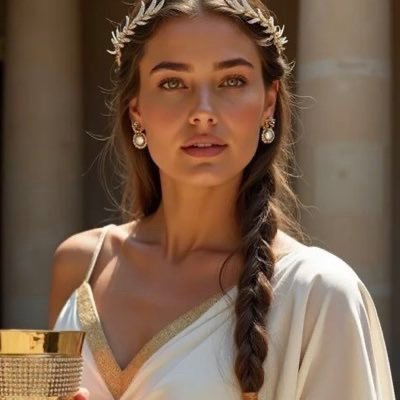
Traditional Greek moustalevria (grape must pudding). Simple, ancient, and ridiculously comforting. 🍇 ASMR 🔊
87,458 Aufrufe • vor 5 Monaten •via X (Twitter)

0 Kommentare

Keine Kommentare verfügbar

Kommentare vom Original-Post werden hier angezeigt

Ähnliche Videos

In 2020; researchers uncovering a stunning Ancient Greek mosaic of Dionysus in Dion, Macedonia, Greece. It’s a lot of work that requires meticulous attention to details but the result is absolutely worth it. Go behind the scenes with the team of conservators at Dion and get a fascinating glimpse of the restoration of one of the most exciting archaeological discoveries in the site, the mosaic of the “Villa of Dionysus.” In the ancient Greek mythology Dionysus is the god of the grape-harvest, winemaking and wine, of fertility, orchards and fruit, vegetation, insanity, ritual madness, religious ecstasy, festivity and theatre in ancient Greek religion and myth. He is also known as Bacchus, the name adopted by the Romans; the frenzy he induces is bakkheia. Another name used by the Romans is Liber meaning “free”, due to his association with wine and the Bacchanalia and other rites, and the freedom associated with it. His thyrsus, sometimes wound with ivy and dripping with honey, is both a beneficent wand and a weapon used to destroy those who oppose his cult and the freedoms he represents. As Eleutherios (“the liberator”), his wine, music and ecstatic dance free his followers from self-conscious fear and care, and subvert the oppressive restraints of the powerful. Those who partake of his mysteries are believed to become possessed and empowered by the god himself. © Konstantinos Arvanitakis and the Onassis Foundation / Greek Reporter #archaeohistories

Archaeo - Histories

141,123 Aufrufe • vor 2 Jahren

The Greek Christmas kalanta (carols) are a traditional Greek custom with roots in Greek Byzantine era. That's why they are sung in Byzantine Greek dialect, indicating their direct origin from Byzantine times. Children go door-to-door singing on Christmas Eve (December 24th), often accompanied by a triangle or other instruments, and receive tips (usually sweets or money). Although the custom is mainly Greek, other Christian countries adopted similar practices over time. The renowned Dutch violinist and conductor André Rieu, one of the most successful classical musicians of all time, performed the Greek carols together with Christina Petrou in front of thousands of people. For most people, this song is a joyful celebration of Christ's birth, but for Greeks, it is also a deep-rooted tradition that reminds us of the unbroken continuity of our Greek heritage; from Ancient and Homeric times, through the classical, Hellenistic, and Byzantine eras, right up to today. Many emotions for all that Hellenism has contributed to humanity. We never caused harm; we only wanted to illuminate universal civilization. Some embraced us, some hated us. This song joyfully announces to people the birth of Christ. The lyrics you hear in Byzantine Greek are as follows: Good evening, lords, if it is your command, let me sing in your mansion the divine birth of Christ. Christ is born today in the city of Bethlehem, the heavens rejoice, all nature is glad. In the cave He is born, in a manger of animals, the King of the heavens, and Creator of all. A multitude of angels sing "Glory in the highest," and this is worthy of the shepherds' faith. - Homer Pavlos

Homer Pavlos

23,316 Aufrufe • vor 8 Monaten