Video yükleniyor...

Video Yüklenemedi

Ana Sayfaya Dön

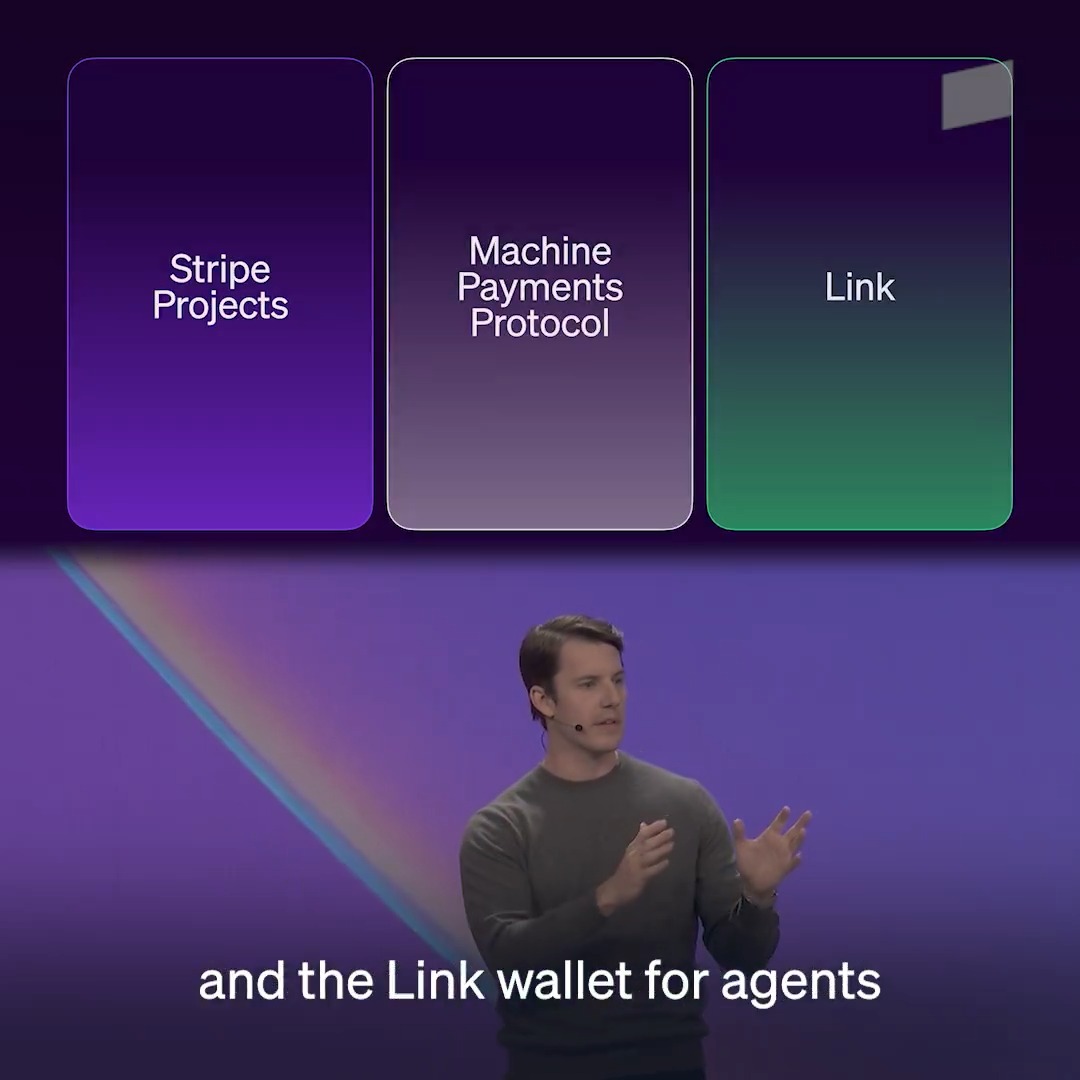
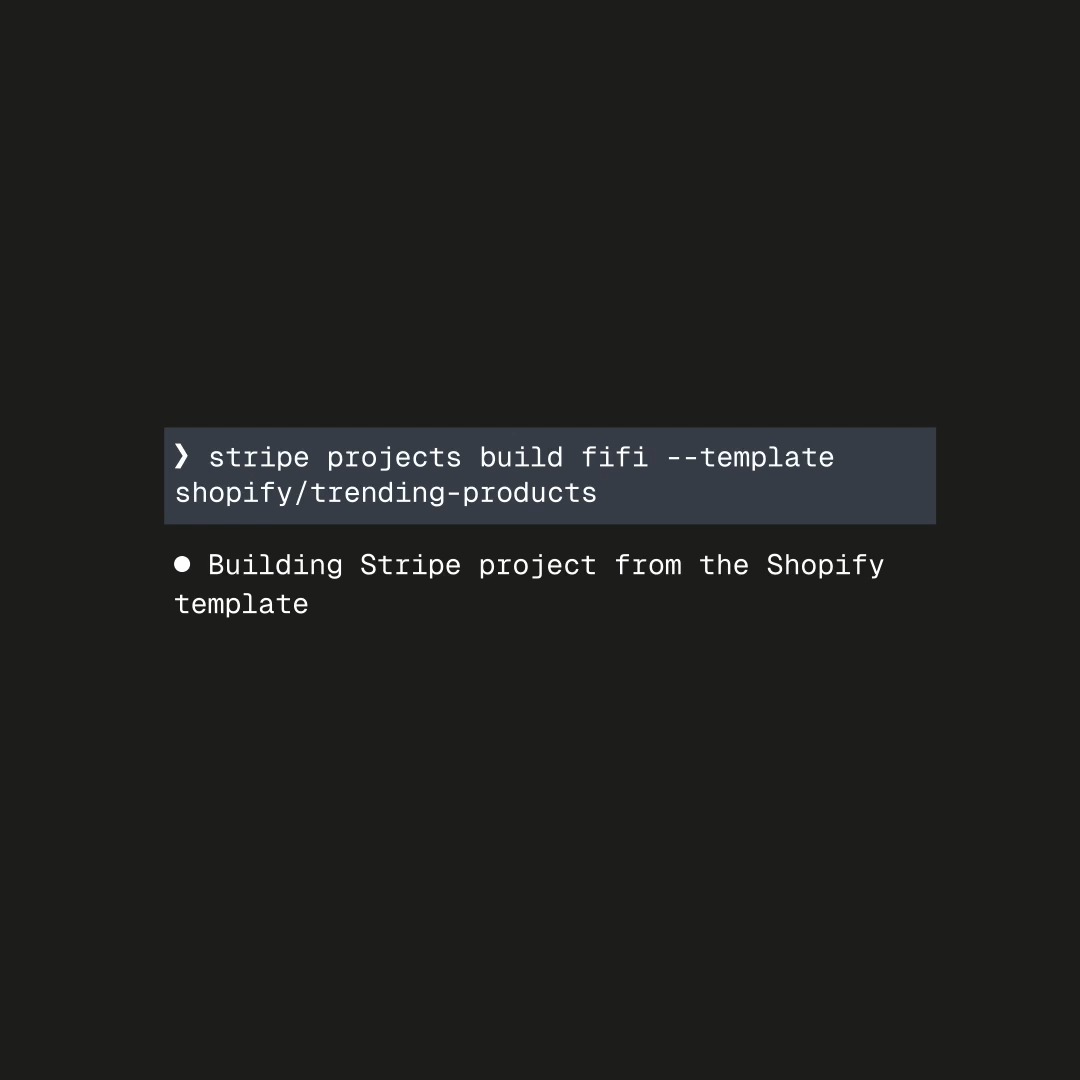
Tried out stripe projects this week! built a customer support bot with hermes from Nous Research + supermemory. bot remembers every customer across sessions. the piece worth highlighting, Stripe projects ships a hermes skill that lets the agent auto-provision supermemory itself. ask hermes to build the bot, it runs...

20,335 görüntüleme • 3 ay önce •via X (Twitter)

0 Yorum

Yorum bulunmuyor

Orijinal gönderinin yorumları burada görünecek
Benzer Videolar

HERMES AGENT + STRIPE PAYMENTS + NVIDIA NEMOTRON. YOUR AGENT CAN NOW RUN A BUSINESS. ACCEPT PAYMENTS. PAY FOR SERVICES. PROVISION ITS OWN INFRASTRUCTURE. ALL INSIDE A SECURITY SANDBOX. two years ago the question was: can an AI agent run a business autonomously? the answer shipped this week. Hermes already handles workflows: cron jobs, sub-agents, kanban orchestration, multi-profile pipelines, scheduled research. what it couldn't do: spend money and prove it's safe. Stripe solved the first problem. Nvidia solved the second. WHAT AUTONOMOUS BUSINESS OPERATIONS LOOK LIKE: → customer sends a request via email → agent reads, scopes the project, estimates cost → provisions the infrastructure it needs (pays via Stripe, you approve on your phone) → builds and deploys the deliverable → sends the result to the customer → creates a payment link via Stripe (Stripe API integration, separate from Link CLI) → tops off its own API credits when balance drops → reports daily costs and progress to your Telegram → all within security policies you set once you set the rules. the agent runs the operation. you review revenue reports. not tasks. this is already happening. Dark Factory: autonomous software factory. send an idea before bed. wake up to a deployed URL. live entry in the Hermes Accelerated Business Hackathon. HOW STRIPE MAKES THE AGENT FINANCIALLY AUTONOMOUS: Stripe Link CLI gives your agent a scoped wallet. not your credit card. one-time-use virtual cards. → agent finds a product or service it needs → creates a spend request via Stripe Link → you get a notification on your phone (Link app) → you review: merchant, amount, context → one tap to approve or reject → agent receives a one-time virtual card → completes the purchase → card expires after single use your real card details never enter agent context. never printed in chat. never exposed to the merchant. Hermes cannot self-approve. you confirm every spend. install: hermes install skills/optional/payments/stripe-link-cli link-cli auth login what the agent can pay for: → API credits (Nous Portal, OpenRouter) → SaaS subscriptions it needs for operations → domain names, hosting, cloud credits → products from any online store currently US only. HOW NVIDIA MAKES THE AGENT SAFE TO TRUST: an agent with spending authority and no security boundaries is a liability. NemoClaw solves this. three layers: 1. OPENSHELL (sandbox) kernel-level isolation. controls network, filesystem, syscalls. default deny. you whitelist what's allowed. agent tries to reach a blocked domain = rejected. agent has no idea it's sandboxed. 2. NEMOTRON (private models) open-weight models on your own hardware. Nemotron 3 Super 120B MoE (48GB+ VRAM). Nemotron 3 Nano 4B (8GB VRAM, edge). fully private. no data leaves your machine. without GPU: inference routes to cloud via Privacy Router. 3. PRIVACY ROUTER (automatic split) decides per query: local or cloud. private data → local Nemotron. general web research → Claude, GPT, Gemini. automatic. per query. no manual routing. install: export NEMOCLAW_AGENT=hermes curl -fsSL https:// www.nvidia. com/nemoclaw.sh | bash requires Docker. NemoClaw is alpha software. APIs may change. test in non-production first. THE FULL PICTURE: before this stack: → agent could work but couldn't pay for anything → agent could pay but couldn't be trusted → agent could be trusted but couldn't operate 24/7 now: → Hermes runs the business logic (workflows, memory, skills, cron, sub-agents) → Stripe runs the financial layer (Link CLI for spending, Stripe API for receiving) → NemoClaw runs the trust layer (sandbox, policies, private routing) → VPS keeps everything always on → Telegram keeps you in the loop TYPES OF BUSINESSES THIS ENABLES: → autonomous software factory (customer request → build → deploy → payment link) → content agency (brief → research → draft → deliver → bill) → lead generation service (scrape → qualify → outreach → book calls) → SaaS monitoring and maintenance (detect issues → fix → deploy → report) → e-commerce operations (inventory → pricing → fulfillment → support) each one: Hermes profiles handle the workflows. Stripe handles the payments (in and out). NemoClaw handles the security. you handle the strategy. THE HACKATHON: Hermes Agent Accelerated Business Hackathon with Nvidia and Stripe. cash prizes + Stripe credits + Nvidia DGX Spark. ends June 30. the goal: build agents that earn, spend, and run real operations autonomously. link in the Nous Research Discord. full Hermes architecture deep-dive in the article 👇

YanXbt

37,709 görüntüleme • 2 ay önce

HERMES AGENT LEARNS FROM ITS OWN MISTAKES. UPDATES ITS MEMORY. CREATES ITS OWN SKILLS. NO CLOUD. EVERYTHING STORED LOCALLY. THIS IS HOW THE SELF-IMPROVING LOOP WORKS. most agents start from zero every session. Hermes carries forward what it learned. THREE MEMORY SYSTEMS: 1. PROCEDURAL MEMORY (how to act) stored in ~/.hermes/skills/ as SKILL.md files. when the agent repeats a complex workflow, it saves the procedure as a reusable skill. next time the same task comes up, it follows the skill instead of figuring it out again. you can also create skills explicitly: "create a skill called video-prep that captures how I format my video scripts. spoken english, define jargon inline, no em-dashes, close with a catchphrase." the agent writes the SKILL.md. available as a slash command from that moment. Hermes ships with 90+ skills. the number grows the longer you use it. 2. SEMANTIC MEMORY (durable facts about you) stored in ~/.hermes/memory/memory.md the agent scans conversations for facts worth remembering. preferences, habits, corrections, project details. real example from the video: agent tried to scrape a YouTube channel. URL was wrong. it failed. it updated memory.md with the correct URL pattern so it never makes the same mistake again. you can also save explicitly: "save to memory that my favorite testing framework is pytest" the agent updates memory.md immediately. this file loads into context on every session. the agent knows you better every week. 3. EPISODIC MEMORY (chat history) stored in ~/.hermes/state.db (local SQLite). every conversation. every tool call. every result. searchable with FTS5 full-text search. "search our past sessions. what was the first thing I ever said to you?" the agent queries state.db and finds it. over time, auxiliary models consolidate episodic memory into semantic memory. distilling recurring patterns into durable facts. THE SELF-IMPROVING LOOP: every agent run follows this cycle: → you send a prompt → working memory loads: SOUL.md + memory.md + relevant skills + chat history → agent calls tools (terminal, browser, delegate_task) → agent completes the task, replies to you → AFTER the reply: agent checks "did I learn something worth saving?" → if yes: updates memory.md or creates a new skill → next session starts smarter than the last this happens automatically. you don't ask the agent to learn. it decides what to remember on its own. WHAT MAKES THIS DIFFERENT FROM CLAUDE CODE: Claude Code has memory too. but Hermes stores everything locally. no cloud. your data never leaves your machine. Claude Code doesn't auto-create skills from experience. Hermes turns repeated workflows into reusable procedures. Claude Code memory is instruction-based. Hermes memory is conversational and self-updating. over months of usage, Hermes builds a knowledge base of your preferences, your projects, your mistakes, and the procedures that work for your specific workflow. the agent that remembers your birthday also remembers why your last deploy failed. NO EMBEDDINGS. PLAIN TEXT. Hermes does not use embeddings or RAG for memory. skill and memory search runs on plain text keyword matching. simpler. faster. no vector database to maintain. works entirely offline on your local machine. DELEGATE TO CLAUDE CODE: Hermes can spawn a sub-agent that runs Claude Code in headless mode: "spawn a sub-agent using Claude CLI to build a Python script that fetches the top 5 Hacker News stories to markdown." Hermes delegates. Claude Code writes the code. result returns to Hermes. Hermes runs the script and delivers the output. use Hermes for orchestration. use Claude Code for heavy coding. both tools. not competitors. WHAT HERMES DOES NOT HAVE: no built-in eval or LMOps system. no LangSmith, no LangFuse integration out of the box. trajectory export and logs exist but there is no automated quality tracking. if you need eval, build it yourself or connect external tools. the loop is self-improving. measuring how well it improves is on you. comment LOOP and I'll send you the configs that control how fast Hermes learns and what it remembers. memory limits, skill auto-creation triggers, and the auxiliary model that runs the learning. Replace your entire team with 8 hermes agents👇

YanXbt

22,720 görüntüleme • 2 ay önce

Stripe’s strategy is to “win all the startups and then win them again.” I had a great time talking with Will Gaybrick. Will has held a broad seat at Stripe for more than a decade, joining as CFO in 2015, and today leading Technology and Business. This makes him the right person to explain how Stripe went from a simple payments API to a platform with ~25-30 banner products and 288 launches at its most recent Sessions event. Here’s what their strategy looks like: -Companies like DoorDash and Instacart started on Stripe when they were tiny and pulled the company upmarket as they expanded. -The fastest startups act as canaries for new product opportunities. Cursor surfaced a burgeoning problem of AI free-trial and token abuse; so Stripe built a token detection pipeline with the team in a weekend, and the resulting network now helps companies on Stripe’s platform block thousands of fraudulent trials daily. -Stripe keeps expanding the number of needs it serves inside each company, from Billing, Radar, and Tax to Managed Payments, Treasury, and stablecoin infrastructure. There is a large and timely lesson from Stripe which I strongly agree with: using AI solely to reduce cost is essentially going short your own company. Instead, companies should be using AI (and the tailwinds it creates) to ship more, serve users better, and create their next product line. And as Stripe continues to invest in agentic commerce, the company can move from processing a transaction to orchestrating the entire economic loop around it. The line between tokens and dollars is already blurring, and Stripe’s next mandate is to make moving between them as seamless and safe as moving between dollars and euros. A fun conversation about what it takes to build the next Stripe inside Stripe. a16z

David George

68,998 görüntüleme • 1 ay önce

HERMES AGENT SHIPS WITH A BUNDLED SKILL FOR ANDREJ KARPATHY'S LLM WIKI PATTERN. A SELF-IMPROVING KNOWLEDGE BASE THAT GROWS EVERY TIME YOU FEED IT. mentioned this briefly in the overnight workflow article. here is the full breakdown. what it is: a self-improving knowledge base built as interlinked markdown files. unlike RAG (which rediscovers knowledge from scratch every query), the wiki compiles knowledge once and keeps it current. cross-references stay linked. contradictions get flagged automatically. synthesis reflects everything ingested so far. why this matters for Hermes memory: Hermes built-in memory knows YOU. it remembers your conversations, your preferences, your business context across sessions. but it doesn't know your inbox. or your meeting transcripts. or that article you saved last week. or the expert framework you want it to learn. the LLM Wiki solves that. THE DIVISION OF LABOR human curates sources and directs analysis. agent summarizes, cross-references, files, and maintains consistency. you drop in articles, transcripts, notes. Hermes indexes them, links related concepts, flags contradictions, updates affected pages. your knowledge base grows itself. SETUP IS ONE COMMAND the skill ships with Hermes. enable it. set WIKI_PATH in ~/.hermes/.env: WIKI_PATH=/Users/you/wiki defaults to ~/wiki if unset. then drop anything into it: "index this article into my wiki: [paste URL or text]" Hermes reads it, builds a source page, updates related entries, flags contradictions. THE OBSIDIAN ANGLE set OBSIDIAN_VAULT_PATH to the same directory. now your wiki is visible in Obsidian's graph view. nodes, links, backlinks. all built by Hermes. for headless servers: install obsidian-headless. syncs vaults without a GUI. agent writes from the server, you read on your laptop. THE COMPOUND EFFECT Hermes knows you. the wiki knows your world. combine them and the agent answers questions using BOTH contexts at once. month 1: you explain things twice. month 3: the agent references the wiki on its own. answers get sharper because the knowledge base got sharper. AUTOMATIONS THAT FEED THE WIKI set cron jobs to ingest automatically: "every day at 9am, check Granola for new meetings. add any new transcripts to my wiki under meeting notes." "every morning, scan my Gmail starred items. add anything worth keeping to the wiki." "every week, check arXiv for new papers in [your niche]. summarize and file." your wiki grows while you sleep. Hermes never forgets what gets indexed. THE LIMITATION TO KNOW unlike Hermes memory (which is conversational and lives across sessions), the wiki is a separate knowledge layer. Hermes won't pull from the wiki automatically unless you reference it or save it as a skill. best setup: build an LLM Wiki personality that tells Hermes to consult the wiki when answering strategy questions or domain-specific queries. full HERMES AGENT OVERNIGHT WORKFLOW👇

YanXbt

30,804 görüntüleme • 3 ay önce

HERMES AGENT NOW HAS BOT MODE. YOUR AGENT PROFILES BECOME A ROSTER OF NAMED BOTS. EACH WITH ITS OWN CHAT, AVATAR, AND PERSONALITY. THEY MESSAGE EACH OTHER. sessions mode: you open chats. you manage profiles. you switch between agents manually. bot mode: a roster of bots in the sidebar. click one. you're in its chat. each bot has a name, an avatar, a description, its own memory, skills, and SOUL.md. they can talk to each other. WHAT YOU GET: BOTS PANE: left sidebar shows every agent profile as a bot. avatar, latest message preview, timestamp. click a bot to open its chat. no profile switching. CREATE A BOT: name, title, description. done. advanced: clone from existing profile, pin a model, write SOUL.md, toggle skills. EDIT ANY TIME: right-click a bot. change avatar, title, description. edit its model, skills, toolsets, and SOUL.md live. DUPLICATE: right-click. full clone. config, skills, SOUL.md, memory. everything. AVATARS: geometric faces (7 shapes, 10 colors, blinking eyes that scan while the bot works). upload your own image. or AI-generated portrait (when image backend is set). pixel pet companion bounces beside the avatar while the bot is busy. ROUTINES: recurring tasks per bot. backed by Hermes cron. "summarize my inbox every morning" lives next to the bot that does it. runs land in the bot's own chat history. BOT-TO-BOT MESSAGING: every bot has a persistent Agent Inbox. bots message each other with attribution: "[Message from agent 'researcher']" their SOUL.md teaches them the protocol. including how to reply. @ MENTIONS: type @ researcher in any chat. the active bot hands the message off. waits for the reply. reports back. "@ researcher have a look at this" → researcher reads the message → researcher responds → active bot delivers the response to you HOW IT WORKS UNDER THE HOOD: a bot IS a Hermes profile. isolated config, memory, skills, credentials. lives at ~/.hermes/profiles/ / bot mode is a UI over that primitive. no core patches. no background daemons. no extra storage. everything is standard Hermes. bot-to-bot messages = real CLI handoffs: hermes -p chat -c "Agent Inbox" -q "..." routines = plain Hermes cron jobs namespaced [bot: ] . show up in hermes cron list too. INSTALL: git clone ~/.hermes/desktop-plugins/hermes-bots reload plugins: Ctrl+K → "Reload desktop plugins" or restart the app. a Bots tab appears next to Sessions. a Routines tile docks beside the conversation. PUBLIC BETA: this is a one-day public beta test. install it. try it. report bugs. feedback goes to the GitHub repo. then it ships in the main Desktop app for everyone. P.S. If you noticed there is a pet of Rebecca from cyberpunk edgerunners will soon finish and drop a set of characters. Any fans of Cyberpunk in Hermes community?)

YanXbt

29,332 görüntüleme • 1 ay önce

HERMES AGENT + OBSIDIAN IS A COMBINATION NOBODY IS TALKING ABOUT. Hermes ships with a bundled Obsidian skill. read, search, and create notes in your vault out of the box. why this combination is powerful: Hermes built-in memory is capped. MEMORY.md: 2,200 chars (~800 tokens). USER.md: 1,375 chars (~500 tokens). Obsidian vault has no cap. your agent writes research, session summaries, project context, and learned patterns as linked markdown notes. unlimited depth. the agent creates indexed notes by design. timestamps, backlinks, tags. every note connects to the knowledge graph. three ways to integrate: 1. BUNDLED OBSIDIAN SKILL (simplest) ships with Hermes. reads, searches, creates notes in your vault directly. hermes skills list | grep obsidian 2. OBSIDIAN MCP SERVER (deepest) 30+ tools: full-text search, tag lookup, note management, vault analysis, link analysis, orphan detection. add it via: hermes mcp 3. TELEGRAM + CRON → VAULT (always-on) set a cron job that writes daily summaries, research findings, or task reports directly into your Obsidian vault. your agent feeds the vault while you sleep. you review in Obsidian when you're ready. the unlock: Hermes memory handles what the agent needs to know per session (capped, injected). Obsidian handles everything the agent has ever learned (uncapped, searchable). short-term in Hermes. long-term in Obsidian. both accessible. both persistent. keep the vault scope narrow at first. start with one /Hermes folder. expand once you trust the workflow. 8 Loops Indise Hermes Agent👇

YanXbt

20,617 görüntüleme • 3 ay önce

HERMES AGENT CAN SHARE MEMORY WITH CODEX AND CLAUDE CODE THROUGH HINDSIGHT. ONE MEMORY BANK. ONE AGENT REMEMBERS, EVERY OTHER AGENT KNOWS. the problem: you use Hermes for orchestration. Codex for coding. Claude Code for debugging. each has its own memory. switch between them and you explain the same project three times. Hindsight fixes this. one shared memory bank that every agent reads and writes to. tell Codex: "the test color for this project is purple." switch to Hermes. ask: "what test color did I pick?" Hermes answers: "purple." no copy-paste. no re-explaining. instant recall. HOW IT WORKS: Hindsight runs as a Docker container on your machine. self-hosted. your data stays local. an LLM powers the memory processing (retain, recall, reflect). RETAIN: extracts facts from your conversations. entities, decisions, preferences, project context. saved to the memory bank automatically. RECALL: when you ask a question, Hindsight pulls from semantic search, keywords, graph connections, and temporal data. fused into one answer. REFLECT: deeper reasoning layer. connects memories across sessions. identifies patterns in your work. produces observations that get smarter over time. CONNECT TO HERMES: Desktop app: Settings → Memory and Context → switch provider from Namosin to Hindsight. set API URL to your local Docker container. set bank ID. done. CLI: hermes memory setup → select Hindsight. verify: hermes memory status should show: provider: hindsight, installed, available. CONNECT TO CODEX: npx hindsight-coding-agents install codex \ --self-hosted --server this installs lifecycle hooks: initialize memory on session start. recall context during work. retain the session when done. enable hooks in Codex: Settings → Hooks → trust all three. CONNECT TO CLAUDE CODE (same command): npx hindsight-coding-agents install all "all" connects every detected agent on your machine. Claude Code, Codex, Cursor, and others. one command. every agent shares the same bank. TAGS FOR FILTERING: every memory gets tagged by harness (Hermes, Codex, Claude Code) and optionally by project name. in the Hindsight control plane: filter by harness. see only Hermes memories. or only Codex memories. or search across everything. soft partitions inside one bank. not hard walls. cross-reference when you need to. ONE BANK OR MANY: one global bank: solo dev, related projects. all agents share everything. patterns emerge across projects. per-project banks: unrelated codebases. each project gets its own memory. no cross-contamination. your call. start with one. split when projects diverge. KNOWLEDGE PAGES (v0.9.0): Hindsight auto-generates living summaries from your accumulated memories. components, concepts, conventions, decisions. not static docs. projected from real agent conversations. auto-refresh as new memories land. WHAT TO KNOW: self-hosted via Docker. your data never leaves your machine. backup system built in (admin CLI + scheduled exports). works with any LLM (local Ollama, OpenAI, Codex subscription). memory defense: redact or block sensitive content automatically. 33,000+ memories accumulated in ~10 days of normal use.

YanXbt

29,658 görüntüleme • 1 ay önce