Загрузка видео...

Не удалось загрузить видео

На главную

🇺🇸🇷🇺 Trump’s Iran war may have created a dangerous vulnerability 2,000 miles away. NATO is running critically short of the missiles it would need to defend Europe from Russia, with Patriot interceptor stocks there “beyond critical” levels. A senior U.S official reportedly warned that if Russia launched a sustained...

277,685 просмотров • 7 дней назад •via X (Twitter)

Комментарии: 0

Нет доступных комментариев

Здесь появятся комментарии из оригинального поста

Похожие видео

‼️🇷🇺🎯🇪🇺🇺🇸 BREAKING | NATO could face a dangerous shortage of Patriot interceptors if Russia launches a sustained ballistic-missile campaign against Europe, with U.S. missile stocks on the continent reportedly already below critical levels following the war with Iran. According to the Associated Press, a U.S. defense official stationed in Europe and a NATO representative warned that available Patriot interceptor stocks are insufficient to sustain defense against a prolonged Russian ballistic-missile campaign. One U.S. official described a potential scenario in which Russia repeatedly targets military bases, power plants or other critical infrastructure, forcing NATO into a situation resembling Ukraine’s current air-defense struggle, effectively having to absorb some strikes because there simply would not be enough interceptors for every incoming missile. The problem is particularly serious because Patriot remains one of NATO’s most important defenses against ballistic threats. The warning exposes a potentially critical vulnerability at precisely the moment Western intelligence is increasingly focused on the risk of Russia testing NATO’s eastern flank. Europe may possess overwhelming conventional power on paper, but a prolonged missile campaign would turn interceptor inventories into a brutal arithmetic problem: launchers are of limited value when their magazines begin running dry. The shortage therefore makes rapidly expanding Patriot interceptor production, strengthening European alternatives and hardening military and energy infrastructure increasingly urgent if NATO wants a credible defense against a sustained Russian missile campaign. See the latest updates with us: Visioner

Visioner

25,292 просмотров • 7 дней назад

⚠️ “Europe is trying to pull a Pearl Harbor to drag America into war.” Alastair Crooke warns of a danger few in America see in his breakdown of the Iran war, U.S. strategy, and the accelerating Russia–Ukraine conflict. Crooke explains how European governments are escalating the war between Russia and Ukraine deliberately (giving more sophisticated long-range missiles, technology, and targeting data so Kyiv can strike deeper into Russia— pushing for an incident dramatic enough to spur Moscow to overreact in a strong enough way to pull the U.S. into the war. . “I hear the clamor coming from all of Europe for war. My response to you is we’re ready for it, and we are preparing.” NATO countries are regularly declaring they “must” be ready to wage war with Russia by as early as 2027. No one should be surprised if there is a commensurate reaction Putin’s message has been unambiguous: “We are building new missiles… preparing new innovative weapons… we are mobilizing for war.” Crooke stresses that this declaration — Russia openly preparing for a future war with Europe, whether 2027 or 2030 — has been almost entirely ignored in Western media. Yet it may be the most consequential statement of the war so far. Europe likely believes they can threaten Russia, build up their defenses — but never expect to have to use them, calculating that Russia “never would” respond directly against European targets. That may b a fatal miscalculation Europe is escalating. Russia is mobilizing. And the West is sleepwalking into a conflict it cannot control. This clip is essential viewing if you want to understand what’s actually happening — not the sanitized version in Western headlines. Watch the full clip now. ⬇️ 🏷️#RussiaUkraineWar #IranWar #USStrategy #Geopolitics #AlastairCrooke #DanielDavisDeepDive #NATO #NationalSecurity #ForeignPolicy #MiddleEastConflict

Daniel Davis Deep Dive

53,782 просмотров • 2 месяцев назад

🇷🇺🇺🇸 CIA Director John Ratcliffe made a rare trip to Moscow, and senior White House officials were reportedly kept in the dark beforehand. Unusual enough to suggest this came directly from Trump. The most reported explanation is a warning not to hit NATO, following a Wall Street Journal report that Russia was planning some form of probing attack on alliance territory. One day after that meeting, Russia's Foreign Ministry warned the UK it could strike British ammunition inside or beyond Ukraine. The strategic case for a Russian strike is uncomfortable, because it is rational. NATO is already a participant through Ukraine. Russia is already retaliating asymmetrically; the drone at a German airport, the Polish railway sabotage. The midterms mean Trump cannot afford a second front, Europe is split, and the Iran war exposed how thin Western capacity really is. A limited strike, kept below the Article 5 threshold, could frighten Europe into ending the war faster. There is even an argument that Russia would welcome retaliation, since a Western response would hand Putin the rally-around-the-flag moment his repeated NATO warnings have started to lose. The case against it is Putin's own record. He has fought this war with one hand tied deliberately, resisting his own hawks who want German drone factories hit. He is trying to finish this war on favourable terms, not open a sequel. And there is a third possibility: that parts of Europe would not mind being struck. With the economic case for the European project weakening, militarism is what remains to justify the alliance. And an attack on NATO means Washington cannot leave. The flaw is that it may produce the opposite result. A U.S. short on interceptors and unable to close out Iran has every reason to walk away instead. Nobody throws the first punch at a much bigger man unless they're certain someone bigger is standing behind them. Europe is no longer certain. Brandon Weichert

Mario Nawfal

302,380 просмотров • 6 дней назад

🇺🇦🇮🇷 Ukraine may have just made the biggest geopolitical gamble of the entire war. Economist Philip Pilkington believes Kyiv has realised the Iran war is swallowing Trump's attention, and has found a dangerous way to force itself back into the conversation. Start with the timing. Ukraine suddenly strikes an Iranian vessel in the Caspian Sea, Zelensky prepares to meet Trump, Laura Loomer travels to Kyiv and conducts a heavily promoted interview with him, and Trump reposts it. Then, almost overnight, pro-Ukraine voices begin repeating the same line: Iran has been at war with Ukraine since 2022 because it supplied Russia with drones. Philip believes this isn't random. His theory is that Ukraine is trying to reposition itself as useful to Trump’s current priority. The pitch is simple: Keep supporting us, and we will help you pressure Iran. That may be Kyiv’s best chance of regaining priority for U.S weapons, intelligence and political attention as the battlefield situation in Ukraine deteriorates. But Philip warns the strategy could produce something far more dangerous than its architects intend. If Ukraine continues attacking Iranian assets, Tehran may stop treating the Ukraine war and the Iran war as separate conflicts. And Iran has little reason to retaliate by firing missiles at Ukraine because Russia is already pounding Ukrainian territory every day. But Europe is a different matter. European countries manufacture weapons and drones for Ukraine, finance the war and provide the infrastructure that keeps Kyiv fighting. Philip thinks Iran could decide that European weapons factories are legitimate targets under the same logic Ukraine is now using against Iranian assets. Russia can't strike those facilities without risking a direct NATO confrontation, but Iran’s calculation may be different. America is already bombing it, so what additional threat is Europe going to make? Ukraine attacks Iran to regain Trump’s support, Iran retaliates by hitting targets in Europe, then EU governments are forced into the Middle East war. What begins as a clever attempt to win Trump back could end with Europe dragged directly into a war it never intended to fight. Philip Pilkington

Mario Nawfal

331,145 просмотров • 1 месяц назад

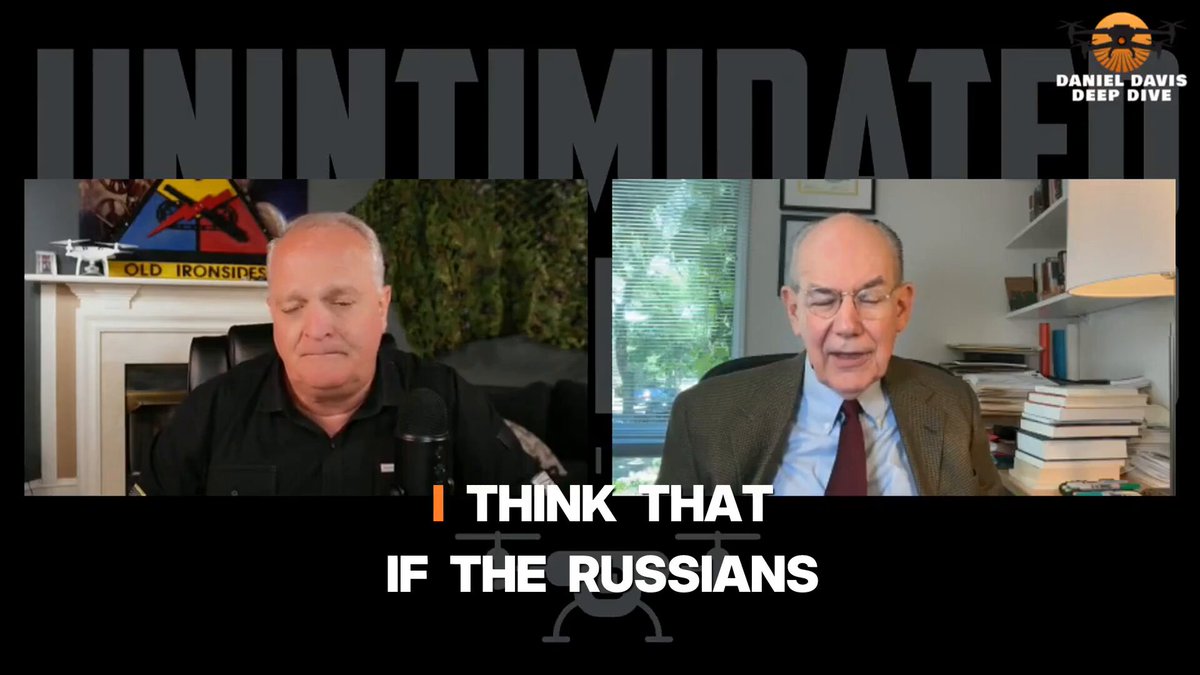
⚠️ "Even bombing Kyiv" might not be enough to deter Europe, and Russia may shock the Western world by expanding the conflict directly into Europe. The current Western diplomatic playbook is completely broken. As the crisis of the Russia-Ukraine War deepens, Prof. John Mearsheimer(John Mearsheimer) warns that to “re‑establish deterrence,” Russia may feel compelled to “attack targets… inside of Europe.” He says this likely means “the Baltic states,” not just Ukraine - and may include the UK, France, Germany, and Poland. “Playing hardball with the Ukrainians doesn’t matter” — they’ve “suffered enormously” yet still fight with European backing, rolling without resolution now into a fifth year. Europe’s continued support means “even a massive bombing campaign against Kyiv won’t do the job” of convincing Europe to stop supporting the war against Russia. If that attempt at deterrence fails, Russia may escalate to the next level: a direct attack on military-industrial targets in Europe itself. This is a major escalation risk with huge implications for U.S. security, NATO, and the wider Ukraine war. 🔥 A stark warning from one of America’s most influential international theorists. 👉 Watch the full clip — this moment demands attention. 👉 #USStrategy #ForeignPolicy #Geopolitics #DanielDavisDeepDive #JohnMearsheimer #NationalSecurity #MilitaryStrategy #BalticStates #Kyiv #MiddleEastConflict #IranWar #Deterrence

Daniel Davis Deep Dive

20,847 просмотров • 3 месяцев назад