Loading video...

Video Failed to Load

Go Home

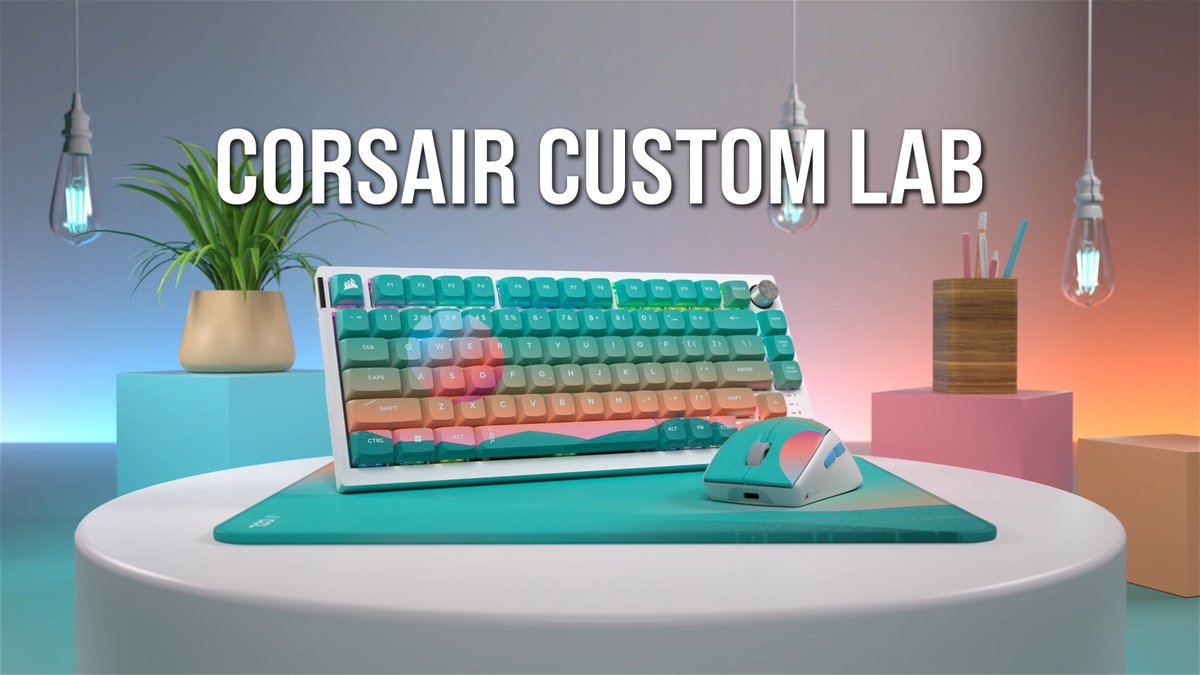
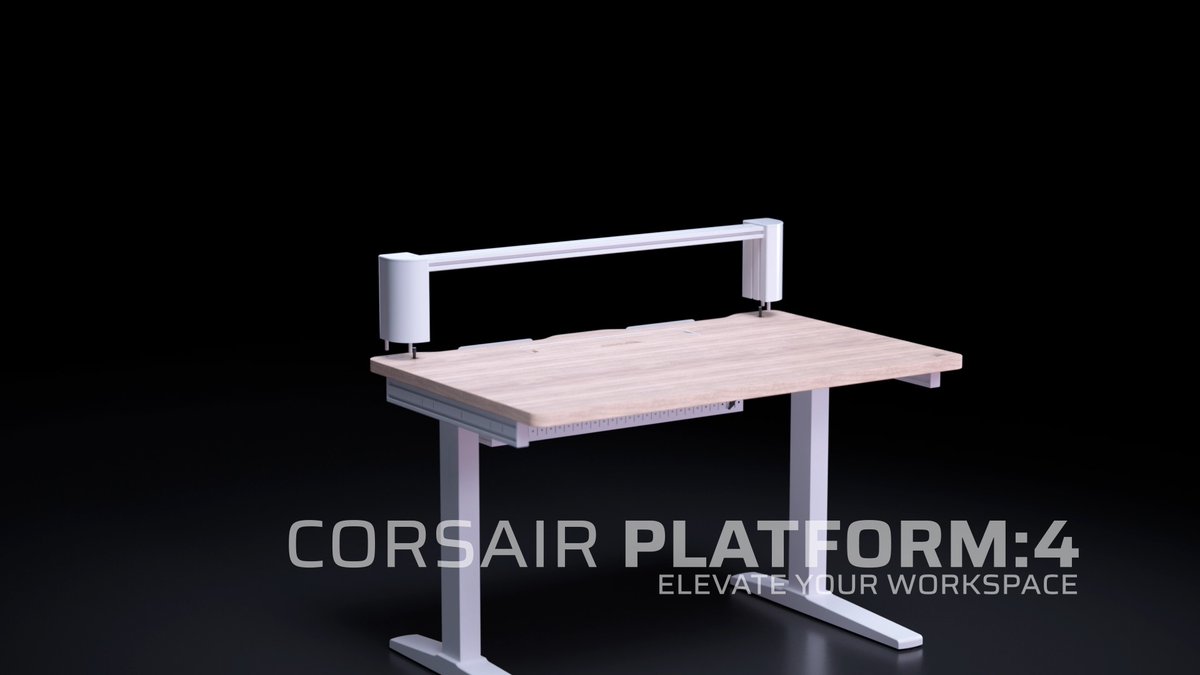
Upgrade Loading ⌛ FRAME 4000D LCD RS ARGB features the brilliant XENEON EDGE 14.5” Touchscreen and a host of upgrades. It offers enhanced cooling with 4x RS120 fans, increased rigidity, and a new USB Type-C front IO panel. Available now:

158,923 views • 9 months ago •via X (Twitter)

0 Comments

No comments available

Comments from the original post will appear here
Related Videos

Tribe Discovery Seedance 2.0 is smart enough to create truly realistic footage! What’s shown on the camera screen and the actual people being filmed look almost identical — same lighting, same movement. Made on CapCut Video Studio. Prompt: Create a 15 second, 16:9 photorealistic nighttime discovery film built around an unbranded early-2000s silver MiniDV camcorder with a flip-out LCD. The physical camcorder dominates the foreground; its LCD stays tack-sharp while the real people and jungle location behind it fall into creamy shallow-focus blur. Keep one continuous believable handheld setup: close to the camcorder, drifting, breathing and making tiny human corrections, never gimbal-smooth. 0.0–1.3s Extreme close foreground view of the closed LCD panel and the operator’s fingers. Under warm firelight and cool moonlight, the hand flips the screen open toward camera. Focus snaps naturally from the camcorder shell to the glowing LCD. Behind it: a remote indigenous tribe gathered in a jungle clearing at night, dark canopy and towering trees, all soft and indistinct. 1.3–3.5s The LCD shows two tribal men and a young woman crowding the MiniDV lens, curious and cautious, exchanging quick glances and small hand gestures while leaning close. Inside the LCD use authentic low-resolution CCD video: harsh direct-camera light, clipped skin highlights, warm reds from fire, cool cyan shadows, fine chroma noise, mild scanline texture and tiny unreadable REC/timecode icons. The exterior world stays warmer and softer, creating a convincing screen-within-screen contrast. 3.5–5.8s The operator subtly pivots right. Parallax shifts the LCD across frame while a tribesman wearing traditional woven cloth and body paint drifts through the blurred background. On the LCD, cut naturally to a low-angle wide-lens clip of a young tribeswoman crouching and slowly moving toward the lens. Allow slight exposure pumping and imperfect autofocus. 5.8–8.2s Continue the handheld orbit. A bright campfire blooms near the top edge, producing mild halation and realistic flare. The LCD shows several tribe members standing shoulder-to-shoulder, observing the camera with quiet intensity, occasionally shifting or exchanging looks, never staged or choreographed. 8.2–10.8s More people enter the soft background; one briefly passes close enough to become a large blurred shape. Keep the camcorder body on the right edge and LCD near center. Inside the LCD, jump between quick candid portraits: an elder looking steadily into the lens, a young man turning his head, then a small group of women and children leaning together. Cuts happen only inside the LCD while the outer shot remains continuous. 10.8–13.0s The operator dips the camcorder slightly, then corrects upward. Warm firelight flares from lower frame. LCD color briefly shifts greener and darker like an old auto-white-balance error, then recovers. Add one very brief analog video hiccup; no digital VFX, floating graphics or impossible distortion. 13.0–15.0s Finish on three or four tribe members bunching into the MiniDV frame, watching the camera with quiet curiosity as the real background group mirrors their energy in blur. End with a tiny handheld push toward the LCD and natural highlight bloom from the fire. VISUAL RULES: 24fps outer capture, 1/48 shutter feel, 35–50mm full-frame look, f/1.8–2.2, handheld micro-jitter, subtle rolling shutter during faster pivots, fine high-ISO grain, realistic skin, true fabric and body-paint texture, practical firelight mixed with cooler moonlight. No plastic skin, warped hands, duplicated people, morphing faces, floating objects, synthetic bokeh, perfect symmetry or glossy CGI. The MiniDV LCD must emit believable light and clearly look like footage from an older camera.

MrDejie

55,206 views • 2 months ago

⭕ Pakistan Unveils Advanced Canister Launched Abdali Missile with Extended 450km Range In a major leap forward for its tactical missile capability, Pakistan has successfully test-fired an advanced canister-based version of its Abdali short-range ballistic missile, now boasting an extended range of 450 kilometers. The new missile marks a significant evolution from its predecessor, offering enhanced mobility, survivability, and strike precision. The earlier Abdali system had a maximum range of 180 km and was mounted on a Soviet-era MAZ-587 chassis using a rail-type launch system. This older setup required longer launch preparations and was less adaptable to rapid response scenarios. In stark contrast, the upgraded Abdali missile is launched from a modern Chinese origin Taian truck and stored in a sealed canister—reflecting a contemporary shift toward quicker, more secure, and more mobile missile deployments. 🔹Key Upgrades Over Previous Version: 🔹Extended Range: The new Abdali can strike targets up to 450 km away—more than doubling the reach of the earlier model. 🔹Canister Based Launch System: Offers faster reaction time, all-weather capability, and improved safety during storage and handling. 🔹High Mobility Platform: The Taian launcher ensures better on-road and off-road performance, enabling rapid repositioning and increased survivability. 🔹Improved Accuracy and Reliability: While classified, the missile is believed to incorporate upgraded guidance systems for more precise targeting. This successful test underscores Pakistan’s continued efforts to modernize its strategic forces, signaling enhanced battlefield flexibility and deterrent capability in an evolving regional security landscape.

Defence Index

18,059 views • 1 year ago

BREAKING: SpaceXAI just released a major Grok Build update, with Grok 4.7 now available in Grok Build. The update improves crash recovery, prompt handling, navigation, configuration reliability and overall subagent performance. It also adds new subagent controls, configurable request limits and long-reasoning reminders. Release Notes Version 1.0.41 — September 22, 2026 Features • Added a new sports_search tool that can look up live NFL scores, standings, schedules, player stats and team records directly from X data. • Added a subagent model inheritance setting to /settings. It persists in config.toml and respects managed and overlay layers. • Per-model request size limits can now be configured to match provider HTTP body caps and control inline image eviction. • A long-reasoning reminder can now be enabled through config to nudge the model after lengthy hidden-reasoning steps. Bug Fixes • Fixed the subagent fullscreen view so it no longer shows a stray [Dashboard] button in the header. • Fixed agent frontmatter mcpServers so headers and URLs from the active agent’s agent.md correctly override config.toml and survive config reloads or agent switches. • Ctrl+P now opens the command palette immediately from the welcome screen. • The Dashboard now focuses the “+ New Agent” row instead of leaving the previous session selected. • Sessions interrupted by a crash now show a clear marker instead of silently dropping the turn. • Pressing Ctrl+Z immediately after stashing a prompt now restores it. • The collapsed edit blocks setting now correctly collapses edits even when expanded_by_default is pinned to true. • Interjections now receive a visible reply before the agent resumes its previous tasks. • Cancelling a turn blocked on spawn_subagent now tells the model that the child moved to the background instead of claiming it was never executed. • Saving a queued-prompt edit now returns focus to the composer so the next keystrokes type the next message. • Subagent activation is now consistent between the TUI and Grok Agent Studio. Tables that only set limits or models no longer disable subagents. • Effort-level selection now accepts menu labels in addition to IDs.

DogeDesigner

421,226 views • 7 days ago

Some insider info regarding Deadlock PvE. The PvE mode features 4 game variants and 7 different stages* (*?). Heroes have a progression system and personal Artifacts (currently one of the testing options). ​You kill monsters and get a chest containing an item. In one of the variants, chests drop from bosses. In another, they are rewarded for completing challange (potentially along the lines of: "kill 100 monsters using the 1st skill, get upgrades beneficial for the 1st skill"). Items can stack and be upgraded (similarly to Streetbrawl, but like you'll get 4 items, but each duplicate will affect the damage percentage, radius, etc.) The number of items and possible upgrades is limited. There are also legendary items from Streetbrawl, as well as a new type of item (artifacts) that have a separate inventory slot. ​Bosses can disable your stamina and items, and affect both you and the monsters in general. The final objectives differ for each mode, but exact descriptions are not available yet. --- ​In reality, this is the exact same thing that happened with StreetBrawl 6 - Valve threw in a wide variety of ideas and is currently testing them. (For those who don't remember, there were initially many different rumors about how StreetBrawl worked, but the final 4v4 system, random items, and round-based combat remained). Information from an anonymous source who previously discussed the mod-split in the Ranked update and the item changes in the Minor Update (prior to the Ranked update)

DEADLOCK PROJECT 8

214,471 views • 1 month ago