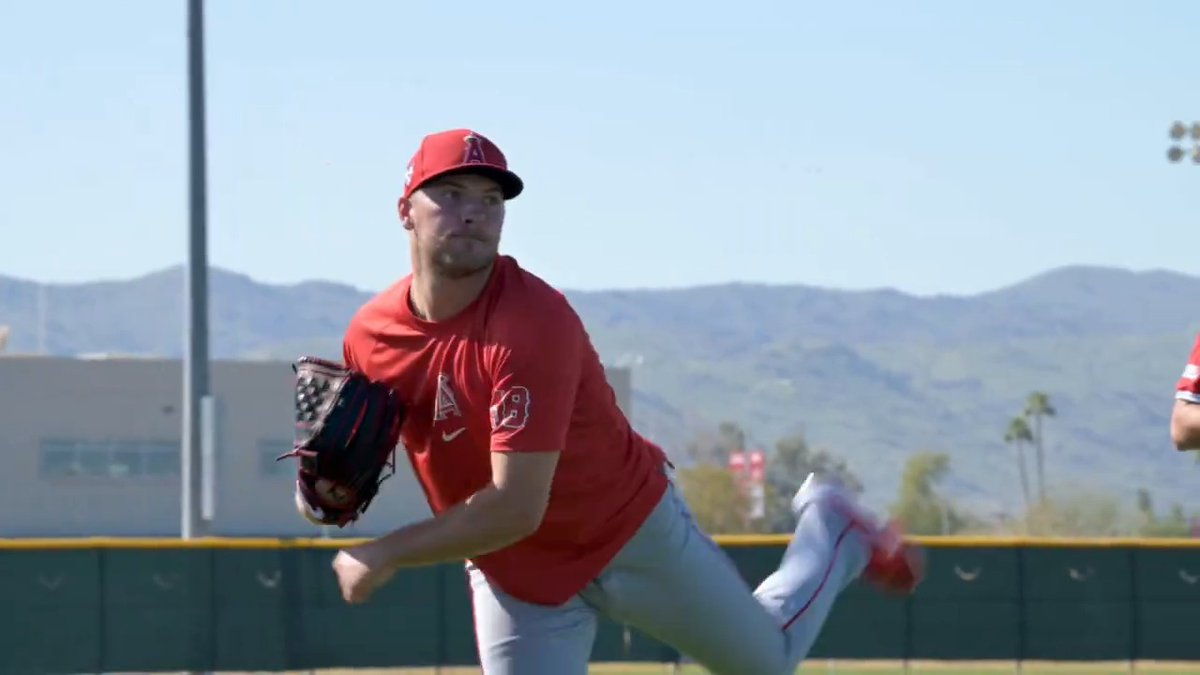
Загрузка видео...

Не удалось загрузить видео

На главную

WAAAYYYYYMMMOOOOOOOO

63,265 просмотров • 1 год назад •via X (Twitter)

Комментарии: 5

Фото профиля Marko Daly
Marko Daly1 год назад

He makes me smile

Фото профиля Hater
Hater1 год назад

Immaculate edit 👏

Фото профиля 𝒫𝒶𝓅𝒶 𝒯𝑒𝑒𝓃-𝒲𝑜𝓁𝒻
𝒫𝒶𝓅𝒶 𝒯𝑒𝑒𝓃-𝒲𝑜𝓁𝒻1 год назад

He didn't even try at the end there.

Фото профиля Brandon
Brandon1 год назад

Tell the media stop hating on my dawg

Фото профиля donqcitizen
donqcitizen1 год назад

He almost immediately throttled down...smh.

Похожие видео

The petrol crisis in the Kurdistan Region, particularly in Erbil and Duhok, has deepened significantly. Most petrol stations have completely run out of all fuel types, causing a sharp drop in movement as residents struggle to find fuel today. The crisis began months ago but it has progressively worsened with a rapid rise in prices across all fuel types, prompting Kurdish opposition MPs in Baghdad to push the Iraqi government to subsidise Iraqi petrol, priced at 450 dinars per litre. But that would have meant halting the 50,000 bpd allocation Iraq has agreed to supply the KRG for local consumption, refined at Lanaz and KAR, both refineries tied to varying degrees to the Barzani family. KRG Prime Minister Masrour Barzani appears to have rushed to cut prices without preparation. The subsidised price is set at 750 dinars and distributed by the KRG Ministry of Natural Resources through dedicated petrol stations in each city, but supply has been so limited it barely covers a fraction of daily demand. For commercial fuel, traders say the mandated price is so low they are forced to sell at a substantial loss. Part of the disappearance of petrol from the market appears to be a form of silent protest. The result is becoming a big embarrassment for PM Masrour Barzani. The shortages are directly disrupting daily life on a scale that is increasingly difficult to conceal through favourable coverage by channels such as AVA and K24.

Kurdistan Watch

13,734 просмотров • 3 месяцев назад

A fascinating interview with Mahmoud Osman, a close associate and personal physician of Mullah Mustafa Barzani, offers some revealing details about how the Kurdish leadership established relations with Israel in the 1960s: Particularly revealing is Osman’s account that relations with Israel were first established in 1963 through the KDP’s Politburo faction, led by Ibrahim Ahmad and Jalal Talabani, which later formed the core of the PUK. The contacts were established with Mullah Mustafa Barzani’s approval, but initially managed by the Politburo, which was responsible for the KDP’s foreign relations. This is a notable historical detail, given the widespread assumption that Kurdish relations with Israel were established exclusively through Barzani and his own political circle. According to Osman, it was only after the Politburo split in 1964 that Barzani’s faction took over the relationship directly. In 1965, senior Mossad officer David Kimche visited Mullah Mustafa Barzani in Kurdistan, in a meeting also attended by Masoud Barzani, Idris Barzani and Osman himself. Then, in 1968, Osman accompanied Mullah Mustafa on a visit to Israel, where they met senior Israeli leaders, including the president, prime minister and senior Mossad officials. But perhaps the most interesting aspect of the interview is Osman’s assessment of the relationship. He explains that Barzani’s primary objective was not Israel itself, but establishing relations with the United States. Having lived in the Soviet Union, Barzani had concluded that Moscow had no real Kurdish agenda, leaving Washington as the other superpower worth approaching. Israel was therefore seen largely as a possible route to the Americans. However, Osman argues that the Shah of Iran was the central figure behind the relationship and that the Israelis were effectively acting according to the Shah’s wishes and priorities. In his assessment, the Kurdish leadership lost more than gained from Israel, as Israeli support was ultimately shaped by Iranian strategic interests rather than Kurdish needs. Osman is remarkably critical of the outcome. He argues that Israel’s principal objective was to keep the Kurds fighting the Iraqi government, rather than genuinely strengthening the Kurdish movement. Neither Israel nor Iran, nor even the United States later, provided the kind of offensive weapons that could have changed the military balance. Instead, they supplied just enough support to keep the Kurdish rebellion going. He also suggests that Israel did nothing to help establish the desired relationship with Washington. Asked whether the Kurdish leadership had seriously considered the advantages and disadvantages of relations with Israel at the time, Osman acknowledges that they had not. Their political calculations were less sophisticated, and the relationship was essentially an experiment driven by Barzani’s belief that, having failed to secure meaningful Soviet support, the Kurdish movement needed to explore the possibility of American backing. His retrospective conclusion is noteworthy: Had they known then what they know now, he suggests, they probably would not have established those relations. In his assessment, the strategic costs outweighed the benefits: relations with Israel created numerous enemies across the region without delivering meaningful political or military gains. Ultimately, he believes Israel was more interested in using the Kurdish movement for its own regional objectives than in helping the Kurds achieve theirs. His account offers an unusually candid insight into both the strategic calculations behind the relationship and the Kurdish leadership’s subsequent disillusionment with its results.

Kurdistan Watch

11,403 просмотров • 4 дней назад