Video wird geladen...
Video konnte nicht geladen werden
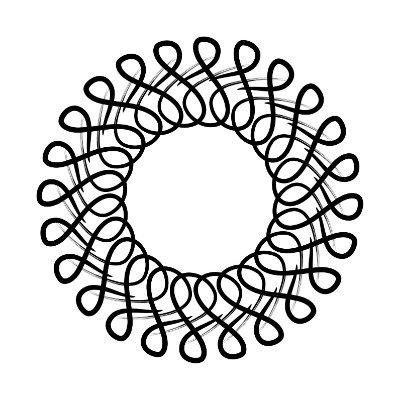
Watch as simple rotation evolves into mesmerizing geometry! This video demonstrates how multiple rotating axes, each with unique speeds and lengths, create intricate patterns known as Spirograph or Epicycloid curves. From 1 axis to 3, the complexity explodes into a hypnotic dance of math and color. Which pattern was... show more
16,078 Aufrufe • vor 4 Monaten •via X (Twitter)
0 Kommentare
Keine Kommentare verfügbar
Kommentare vom Original-Post werden hier angezeigt
Ähnliche Videos


0:54
Sensitive content
Watch the full class: Each tie comes with its own unique challenges as well as moments of relief or heightened intensity. 📚 Hearing how other bottoms navigate those sensations is one of the most valuable parts of learning to bottom. And for riggers, understanding what your sequence actually feels like from the inside is just as important. 🪢 In this voiceover discussion, Cutebutdeadly shares her experience being tied in Kissmedeadlydoll's Bamboo and Booty Basket Sequence. Watch the full series for a bottom-centric perspective on a challenging sequence, with insights you can bring into your practice at any level.
Shibari Study
46,777 Aufrufe • vor 2 Monaten





![Few points I took from this video: 1. As a Muslim man, just marry a Muslimah. The advice is as simple as that. And if your Islam is not strong enough as a man, it is an absolute no-no for you to marry and have children with non-Muslimahs. 2. Be a present father as much as possible, and teach your children Islam. They are an amaanah. If you carelessly leave them to the embrace of kufr out of neglect or out of your own lackadaisical behavior towards the deen, you WILL be held accountable by Allah. 3. Perennialism is a problem which is common, perhaps especially in S-West Nigeria. Perennialism essentially means that multiple religions are as valid as each other, and are as invalid as each other. To have this mentality, you must reject the message of the Prophet ﷺ. إِنَّ ٱلدِّينَ عِندَ ٱللَّهِ ٱلْإِسْلَـٰمُ (Certainly, the {only} religion in the sight of Allah is Islam) [Q. 3:19]. “The rule in our house is not either Christianity or Islam, it’s that you must serve God” sounds nice and fluffy, but is an avenue to kufr. May Allah continue to keep the former governor upon Islam, and increase him in goodness. - Abu Lut](https://image.24vids.com/tw-2019306593540587845/amplify_video_thumb/2019306387877122049/img/W1oDx9Wfk0xww2CD.jpg)