Sensitive content
This media may contain sensitive content.
Загрузка видео...
Не удалось загрузить видео
🔗 Watch the full tutorial series: 🧶 Microbondage is a little guy with an outsized impact, whether it’s adding that final sense of completion to a tie or intentionally amplifying certain emotions. 📚 In this course, Anoxia delves into the minutia of Microbondage with their model fuoco. They cover... show more

47,492 просмотров • 2 месяцев назад •via X (Twitter)
Комментарии: 0
Нет доступных комментариев
Здесь появятся комментарии из оригинального поста
Похожие видео


0:34
Sensitive content
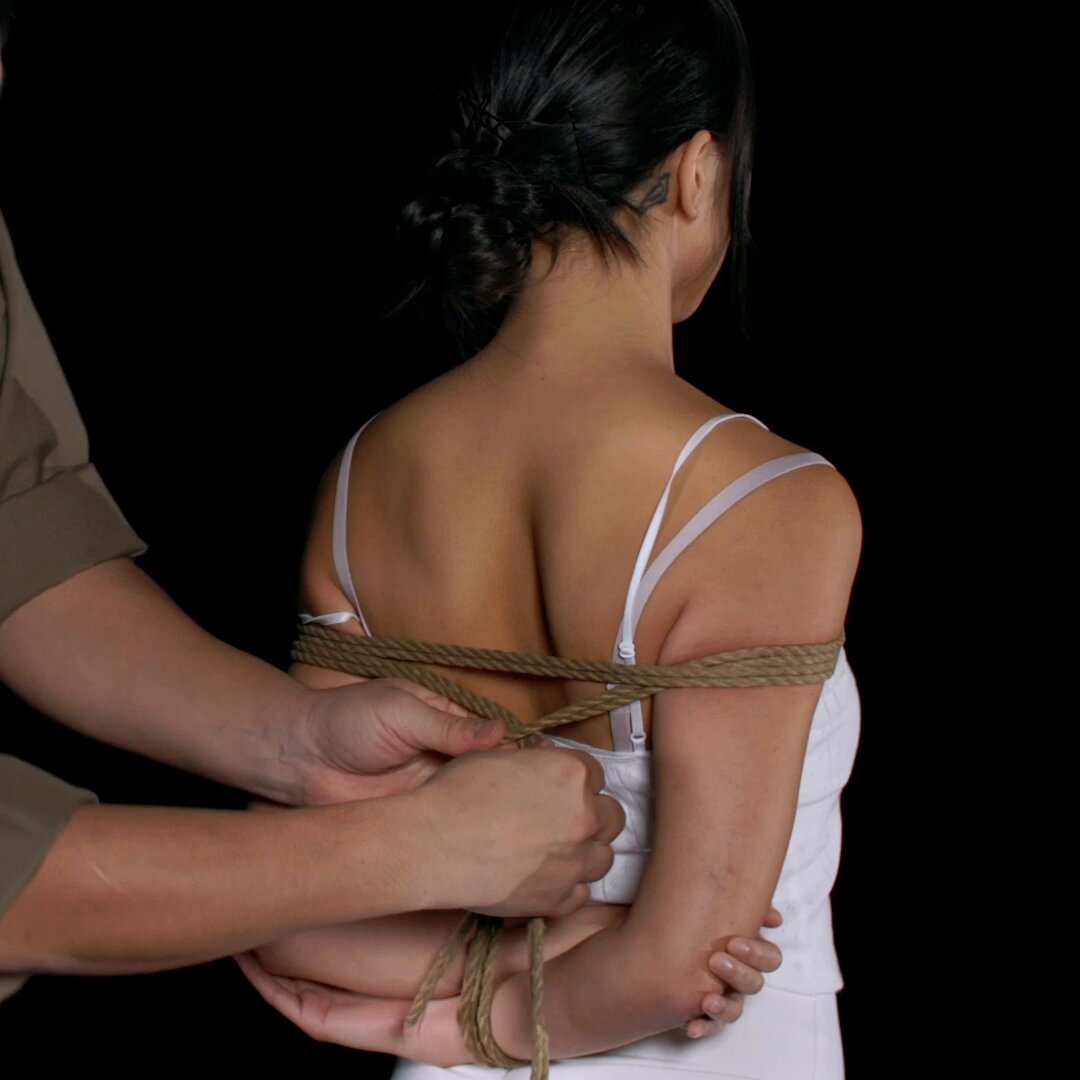
In the mood for a playful suspension session? 📚 Aimed at suspension-experienced riggers and bottoms, this course is all about harnessing Tenshi’s core features: its inherent mobility and potential for collaboratively “sculpting” shapes. 🪢 In this tutorial, Tifereth walks you through the different ways to manage your partner's body in space: slowly through line management for a fluid, connected feel, or with hands-on transitions if you want to bring more energy into the scene. 🔗 Tap the link above to watch the full course!
Shibari Study
43,598 просмотров • 1 месяц назад



0:25
Sensitive content
🔗Watch the full tutorial series: Active bottoming shouldn’t be the thing that’s hardest but that which is most energy efficient. 📚 Join Fuoco and Gorgone, both experienced bottoms and riggers, to learn all about the various spectrums of active bottoming. Using three different suspensions as examples, they explore when active bottoming is necessary versus when there’s not much you can do for yourself, and how to tell the difference. 🪢 Get ready to see your active bottoming skills improve significantly through all the various nuances taught in this course! Note: Always remember to keep your skill set in mind when applying techniques from any Shibari Study class to your own rope practice.
Shibari Study
43,630 просмотров • 1 месяц назад


![🎋 Scarlet Letter A 🎋 The Scarlet Letter A is an enticing option for experienced tying pairs looking to level up their floor play! ➡️ 📚 In this tutorial, Kissmedeadlydoll offers a step-by-step demonstration of how to tie the Scarlet Letter A—an optionless predicament that’s both challenging and a lot of fun. Be sure to check out the full series for essential safety tips as well as expert insights. 🔗 Watch it via the link above! [Model: cutebutdeadly ]](https://image.24vids.com/tw-1893095316670357601/ext_tw_video_thumb/1893093460955054080/pu/img/ozPWvZSA9jNY2rgv.jpg)
0:27
Sensitive content
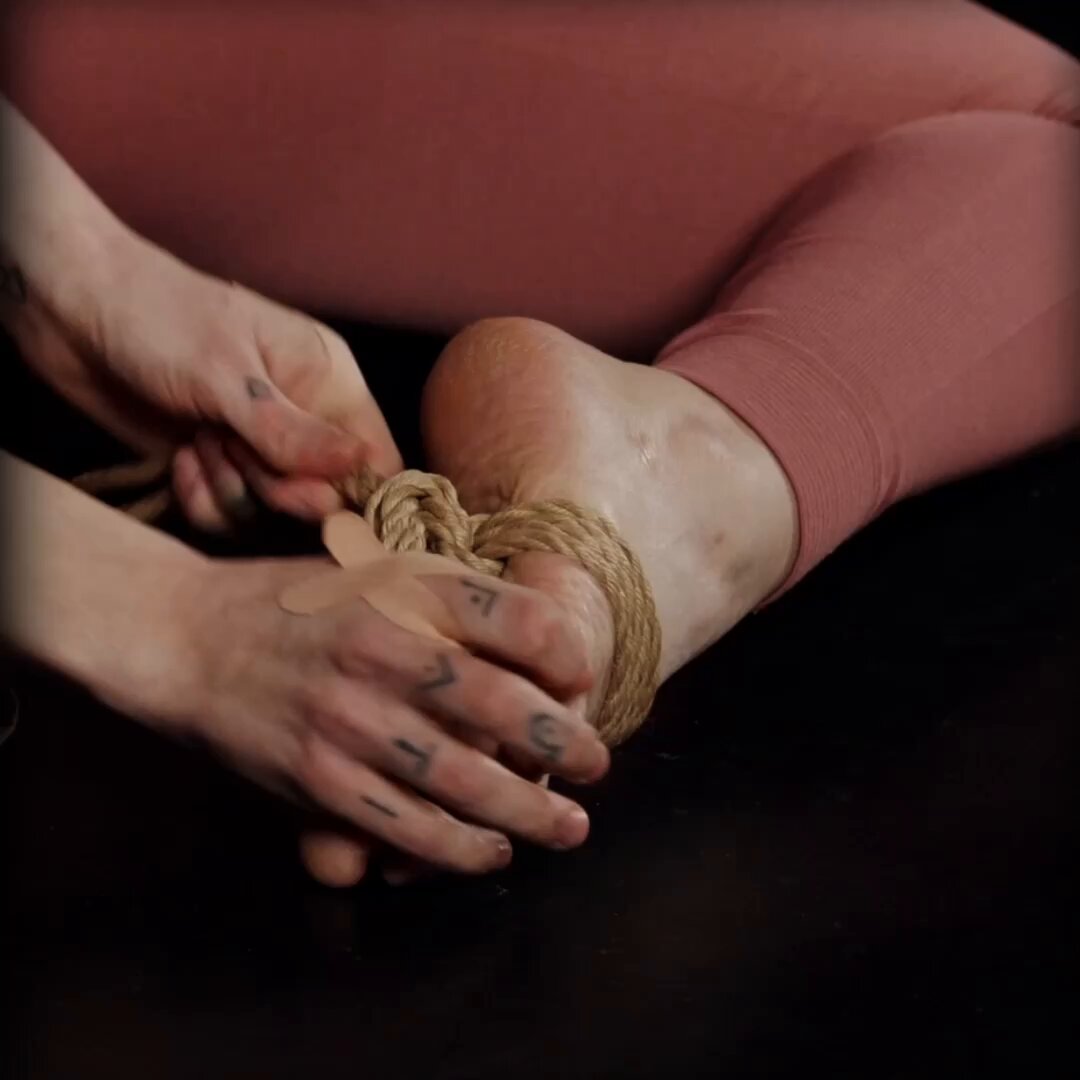
👣 Foot Rope 👣 The feet can be more than just an afterthought in your rope sessions. ➡️ 📚 In this five-part tutorial series, you’ll learn all about the various effects of foot rope. Whether visually simple or elaborate, for floor work or suspensions, for playful or more focused scenes, add a unique touch to your tying with these tips! 🔗 Click the link above to watch the full course.
Shibari Study
38,528 просмотров • 1 год назад


