Video yükleniyor...

Video Yüklenemedi

Ana Sayfaya Dön

Watching Dido perform "White Flag" at Live 8 (2005) in Hyde Park is a masterclass in quiet dominance—and a stark reminder of what mainstream pop music lost when overproduction became the baseline. In an era dominated by hyper-polished pop spectacles, backing tracks, and heavy pitch correction, Dido walked onto...

16,055 görüntüleme • 6 gün önce •via X (Twitter)

0 Yorum

Yorum bulunmuyor

Orijinal gönderinin yorumları burada görünecek

Benzer Videolar

🎶 The Song Still Hasn’t Surrendered. The late afternoon light was soft, the crowd stretched all the way to the horizon, and she simply held the microphone and sang. No dancing. No elaborate production. Just that quiet, clear voice and eyes fixed somewhere beyond the front rows. That video still circulates today. More than twenty years have passed. Musical trends have come and gone. Entire generations have grown up with completely different sounds. And yet every time “White Flag” plays from that Live 8 performance, people still stop, go quiet, and sometimes… feel their eyes sting. Why? The song begins with a stark admission. “I know you think that I shouldn’t still love you / Or tell you that.” She knows the other person doesn’t want to hear it anymore. She knows she caused enough damage. She even understands the logic of “it’s over, so let it go.” Then the chorus rises: “I will go down with this ship And I won’t put my hands up and surrender There will be no white flag above my door I’m in love and always will be.” A white flag is the universal symbol of surrender. Dido flips it. She refuses to surrender her own feelings. Not because she still hopes for a reunion. Not because she’s clinging. Simply because the feeling is still there, and she can’t — and won’t — pretend it has disappeared. Some people once heard this as a song about unhealthy attachment. Listen more carefully and it becomes something simpler and more honest: a refusal to erase what is still true. Dido wrote it after the end of her engagement. Years later she admitted that hearing the song still brings the old emotion back. The track doesn’t try to explain or heal anything. It just records a very real state of being: still in love, even when there’s no way back. That’s what has kept “White Flag” alive. It doesn’t belong to one generation. A twenty-year-old hears it and recognizes a feeling they just lived through. Someone in their forties or fifties hears it and remembers the times they faced the same choice. Feeling has no age. It only has moments when it’s still present and moments when it has faded. Dido’s voice makes that even clearer. She never needed big vocal fireworks. Soft breath, slow melody, every line delivered like a private conversation. Even standing in front of hundreds of thousands of people at Live 8, the song still felt intimate. In the middle of a global event about poverty and justice, she brought something small and personal onto the stage. That contrast made the emotion cut sharper. There’s a detail most people don’t know. Right after she walked off the Hyde Park stage, Dido got into a helicopter. She flew straight to the Eden Project in Cornwall to perform again at the Africa Calling show, then flew on to Paris for a third performance — all in the same day. Three stages, three cities, a few short hours. She wanted to do what Phil Collins had done at Live Aid in 1985, only more ambitious. While the world watched a historic concert, Dido was still moving between flights, carrying the same song about refusing to let go. Today that Live 8 video still gets millions of views. Some people say they listen to it alone in the car. Others connect it to someone they lost. Many simply write: “I don’t know why, but it still gets me every time.” No further explanation needed. The song speaks for itself. Looking back at that moment in 2005, Dido wasn’t trying to move the audience. She just stood there and sang exactly what she felt. No exaggeration, no polish. That honesty is what carried the song further than any trend. More than twenty years later, “White Flag” is still here. Not because it’s perfect. But because it’s true. Do you still carry any “white flag” of your own?

Music over time🎻

12,562 görüntüleme • 11 gün önce

Why This Performance Still Feels Like a Masterpiece Forty-four years have passed. There is no Auto-Tune, no pre-recorded tracks, no digital polish. What remains is a raw live performance powered by pure talent, tight musicianship, and unfiltered energy. Yet it continues to stop people in their tracks and earn the title of masterpiece. The reasons run deeper than nostalgia. Steve Perry’s voice is the first and most powerful element. He possessed one of the clearest, strongest, and most emotionally charged rock voices of his era. His high notes soared with power while still carrying sweetness and precise control. In an age when many singers lean heavily on studio correction, hearing a completely unprocessed voice deliver such precision creates a sense of awe. Listeners do not merely admire technique. They feel the soul behind every phrase. Equally important is the honesty of the live moment. The band plays with seamless chemistry. Every note travels directly from the stage to the audience without layers of post-production. Any tiny imperfections only make the performance feel more alive and human. Modern listeners, accustomed to heavily processed sound, suddenly rediscover the strength of music in its original form. The absence of technological safety nets makes the achievement more impressive, not less. The energy and connection complete the picture. Perry did not simply sing the songs. He performed with his entire body, his eyes, and his emotion. The crowd in the footage responds with pure electricity, and that same electricity still travels through the screen decades later. A true masterpiece is not defined only by melody or lyrics. It is defined by its power to create a shared experience that makes thousands of people feel the same surge at the same time. What ultimately keeps this performance timeless is its emotional reach. Journey’s music speaks to hope, longing, and the quiet determination to keep going. Those themes never age. As technology continues to reshape how music is made and consumed, looking back at a night of pure talent only highlights the lasting value of authenticity. The song may be familiar, the staging may look dated by today’s standards, yet the feeling remains immediate. This is why the performance still stands as a masterpiece. It brings together an extraordinary voice, unfiltered honesty, and the rare ability to move people across generations. In a time when digital tools often smooth away the human edges, moments like this feel rarer and more precious than ever. What live performance from the past still gives you chills every time you watch it?

Emotion & Music

35,726 görüntüleme • 13 gün önce

When television still knew how to put on a real spectacle.✨ On April 27, 1975, The Cher Show delivered three minutes of pure pop-culture alchemy. Cher and Tina Turner taking the stage for "Shame, Shame, Shame" wasn't just a musical collaboration—it was a masterclass in visual storytelling, female empowerment, and high-fashion synergy. At the center of it all was the legendary Bob Mackie. Rather than dressing them in contrasting styles, Mackie crafted sister silhouettes that celebrated two distinct forces of nature. Both wore shimmering halter-neck gowns encrusted with sequins, finished with dramatic high slits and floor-grazing fringe designed specifically to catch light and catch movement. Cher’s piece featured a magenta and deep pink palette with sharp vertical beadwork that amplified her towering, statuesque frame, topped off with her iconic dark bob. Tina, meanwhile, turned up the heat in rich electric blue and turquoise tones, her signature tawny hair flowing naturally as she moved. The fringed skirts weren't just decorative; they acted as musical instruments of their own, accentuating every shimmy, swivel, and step on that striped disco platform. What makes this performance immortal isn't just the raw vocal power, but the unspoken trust and shared stage presence between two icons at the peak of their confidence. In an era before auto-tune and hyper-edited stage productions, this was pure talent wrapped in brilliant costume design. Fashion history was made right here. 🌟✨ #Cher #TinaTurner #BobMackie #70sFashion #VintageTV #FashionHistory

𝗧𝗶𝗺𝗲𝗹𝗲𝘀𝘀 𝗠𝘂𝘀𝗶𝗰 ✨🎵

38,832 görüntüleme • 7 gün önce

Why Carly Simon’s Voice in This Live Performance Still Feels Impossible to Replace (George Harrison & Art Garfunkel attended the concert) Some voices don’t need to soar or dazzle. They only need to sound true. Carly Simon’s live version of “That’s The Way I’ve Always Heard It Should Be” is one of those rare moments where a singer doesn’t perform a song so much as she simply tells it. Her voice has always carried a slight natural rasp, a textured quality that never aimed for polished perfection. In this live setting that texture becomes even more present. Without the protective layer of studio production, the warmth and intimacy of her tone come through clearly. It feels close, almost conversational, as if she is speaking directly to the listener rather than projecting to a crowd. What stands out most is how she shapes the words. Simon delivers each line with deliberate clarity and unhurried pacing. The phrasing stays close to natural speech. She doesn’t force dramatic arcs or ornamental runs. Instead she lets the melody follow the emotional weight of the lyric, pausing where thought would naturally pause and leaning into certain words when they carry more meaning. The result is less like traditional singing and more like a private confession set to music. Her breath control supports this approach without drawing attention to itself. You can hear the air move. That small human detail keeps the performance grounded. It reminds you that a real person is sitting at the piano, not a perfected recording. The emotion in the song has always been complicated—doubt about the expected path of marriage and family, quiet resistance to the life everyone said should bring happiness. In the live performance that complexity feels sharper. Simon doesn’t overplay the melancholy. She sings with a calm, almost resigned honesty that makes the questions in the lyric land harder. There is no theatrical sadness, only the weight of someone who has thought carefully about what she is saying. That honesty is inseparable from her artistic personality. Carly Simon never seemed interested in becoming a conventional pop ideal. Her independence and slight edge of resistance shape every phrase. You hear a woman who values her own perspective more than audience approval, and that self-possession gives the performance its quiet authority. Other singers can learn the melody and match the notes. What they struggle to recreate is the particular combination of texture, conversational phrasing, and unforced emotional truth that Simon brings. The voice does not try to be beautiful in the expected way. It becomes beautiful because it refuses to pretend. This is why the live recording continues to matter. It proves that the power of the song never depended on studio perfection. When Simon sits at the piano and sings it in front of people, the same essential quality remains: a voice that sounds like it belongs only to her, telling a story that still feels uncomfortably real. In an era full of carefully crafted performances, that kind of unfiltered presence remains rare—and still impossible to replace.

Emotion & Music

194,696 görüntüleme • 6 gün önce

⚘️❤️The Song "Forever Young" and the Heartbreaking Life of Legend Laura Branigan On the night of June 20, 1985, audiences of the legendary television program The Tonight Show Starring Johnny Carson witnessed one of the most memorable musical moments of the 1980s. Stepping onto the stage with a glamorous appearance, singer Laura Branigan delivered a transcendent and deeply moving live performance of the song "Forever Young." This piece was originally a synth-pop track by the German band Alphaville released in 1984. Recognizing the beautiful melody and profound message of the song, Laura Branigan decided to include it in her fourth studio album titled Hold Me, released in 1985. With her powerful, bird-like, yet incredibly poignant vocals, her cover version clothed the song in a new emotional coat and achieved resounding success worldwide. Laura Branigan's connection to "Forever Young" ran so deep that it became the customary and indispensable encore song in all of her worldwide concert tours throughout her later career, creating a sacred space of nostalgia that connected the heart of the talented singer with millions of fans. However, the sudden passing of Laura Branigan in the summer of 2004 was a massive emotional shock, leaving an unfillable void in the hearts of music lovers. Her death occurred completely unexpectedly in her sleep at her home on August 26, 2004, when she was only 52 years old. The cause was determined to be a brain aneurysm, a dangerous condition that had existed silently without being detected beforehand. Her family recalled that she had suffered from severe, persistent headaches for several weeks prior. Yet, believing they were just typical pains from work pressure and everyday stress, she quietly endured them without going to the hospital for a medical checkup. To fully understand the audience's deep sorrow for her, one must look back at the period when she willingly walked away from the stage's spotlight for her family. While at the peak of her game with a string of worldwide chart-topping hits, Laura Branigan suddenly announced a temporary halt to all artistic activities in the mid-1990s. The reason was that her beloved husband, Lawrence Ross Kruteck, was diagnosed with advanced colorectal cancer. For years, she turned down all tour invitations and stayed away from the stage lights to dedicate herself fully to caring for and being an emotional pillar for her husband. Following his passing in 1996, she fell into a long period of reclusive mourning and virtually vanished from the entertainment industry. In the early 2000s, as the pain of her loss gradually eased, Laura Branigan began to find solace in music again and planned a powerful comeback. She returned to live performances, joined the Broadway musical Love, Janis, and actively entered the studio to record brand-new tracks. Music fans at the time were incredibly eager to welcome back the queen of pop-rock. Yet, just as all her musical projects were nearing completion, cruel fate took her life. To this very day, fans still feel a sharp ache in their hearts whenever the melody of "Forever Young" plays, serving as a heartbreaking reminder of a legendary voice that stopped forever at her most radiant youth.

𝐌𝐮𝐬𝐢𝐜 - 𝐌𝐨𝐯𝐢𝐞 - 𝐀𝐧𝐝 𝐌𝐨𝐫𝐞⭐️❤️

178,156 görüntüleme • 7 gün önce

By the way, unrelated but just listened to #MADONNA’s new album #CONFESSIONSII and it’s fascinating how the Queen of Pop still got it. Different from the current trends, focusing on the 90s house over the overused disco & new wave eras. Among my favorite tunes, #Danceteria has it all to be a mega hit, but #GoodForTheSoul really is the song that magically sums up Madonna’s entire discography in a single song, you can literally feel all her eras e classic beats spread out across this song. #OneStepAway has that almost ethereal feeling which was so present during the era of Ray of Light. But the whole album is incredible, and it works because it was built as a single body of work freely flowing. Loved the structure of the album, with all songs connected to each other like a massive single block. #Madonna celebrates the real connections through soul, body, movement, dance, music and the democracy of the dance floor, in a day and age where the online world tries to take their importance away from us. #Madonna doesn’t try to recreate her 2005 #ConfessionsOnADanceFloor. She proposes a new path with #ConfessionsII, not just for herself musically, but for the pop music and pop culture. And makes an album that feels timeless, and overcomes his 2005 counterpart exactly by showcasing her evolution in the last two decades which culminated in this new album. After all these years, keeping such a sharp nose to explore uncharted territories and set new trends & higher bars for others to follow is #MADONNA’s biggest act of rebelliousness yet. By far her best album since #RayOfLight - and arguably better than that one as well! Totally recommend.

Luiz Fernando

22,989 görüntüleme • 1 ay önce

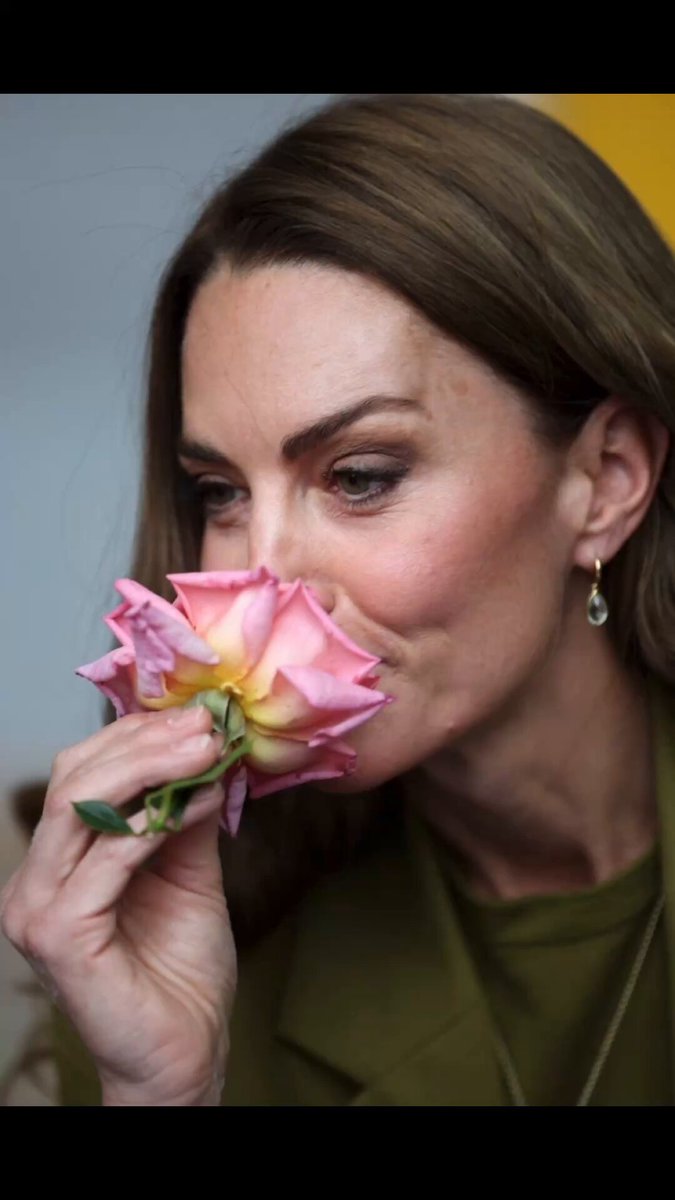
Catherine, the Princess of Wales A life shaped by character, and a quiet strength shaping the future of the monarchy. Today, on her 44th birthday, we celebrate Catherine, the Princess of Wales - a woman whose significance transcends headlines or fleeting trends. Her true importance lies in something rarer: character proven over time. From the start of her public life, Catherine endured intense scrutiny few could withstand. Watched, judged, and often misrepresented, she responded not with resentment or spectacle, but with restraint born of discernment. She listened, learned, and waited understanding that royal life demands service, endurance, and responsibility over self-expression. Her marriage to William reflects that same depth: tested under relentless pressure yet allowed to mature privately, it is now grounded in trust, shared values, and mutual respect. As parents to Prince George, Princess Charlotte, and Prince Louis, Catherine and William prioritise emotional security, raising children who are grounded, empathetic, and mindful of both privilege and duty. Her influence here is profound - shaping not through optics, but through heartfelt preparation for the monarchy’s future. Catherine’s greatest strength lies in her emotional discipline: a quiet mastery that absorbs criticism without defensiveness, lets baseless narratives fade untouched, and bears pressure with unwavering grace. In an era of outrage and retaliation, her restraint is true power choosing consistency over confrontation, patience over provocation, and dignity over demands for validation. She modernises through reliability, offering stability and reassurance where others chase relevance or attention. Rooted in authenticity rather than performance, she strengthens the institution without overshadowing it. This clarity shone brightest during her cancer experience. Choosing privacy to protect her children and focus on treatment, she spoke only when speculation left little choice- addressing the world with calm composure, no self-pity, and resolute dignity. Now in remission, her reflections this birthday on the healing power of nature remind us of her deepened gratitude for life itself. In a changing world defined by noise and self-promotion, Catherine embodies composure and service. These qualities do not trend, but they endure the quiet architecture of leadership. Resilient, relatable, and revolutionary in her understated way, she represents stability with heart. As we honour her today, Catherine’s story affirms that true royalty resides not in crowns, but in character. She is the epitome of dignified strength, a beacon for generations, and undoubtedly the heart of the monarchy’s future. Happy birthday, Your Royal Highness. May your light continue to shine. ✨♥️ 🎂

Queen Esther

13,768 görüntüleme • 7 ay önce

Three Voices, One Old Song, and a Nearly Perfect Moment In 1976, on a simple stage lit by warm golden lights, Dolly Parton, Linda Ronstadt, and Emmylou Harris sat side by side. Dolly held a guitar, her blonde hair glowing under the lights. The three of them began to sing “Bury Me Under The Weeping Willow” — a classic folk song by The Carter Family. There was no big orchestra. No special effects. Just three voices blending together so naturally that viewers almost forgot they were watching a performance. Dolly led the melody with her clear, pure tone that still carried the breath of the Appalachian mountains. Emmylou Harris added delicate high notes, while Linda Ronstadt brought depth and emotional weight. Together they created a harmony that made the already melancholic song feel both aching and graceful. The song tells of longing for someone who has passed, and of the wish to rest beneath a weeping willow. In their voices, that old story was no longer just lyrics. It became a quiet whisper about connection, about the deep roots of American country music — music born from the land, from loss, and from simple love. That moment was special because it showed Dolly Parton was not only the glittering star with big hair and sparkling outfits. Sitting there with a guitar, singing alongside two friends, she appeared as a keeper of tradition. She played with those signature long nails, yet the sound remained steady and true. There was no need for showmanship; talent simply shone on its own. Years later the three women would record the celebrated album Trio. But this 1976 performance still holds a beauty of its own: the innocence, the mutual respect, and the love for old songs. They did not try to reinvent the piece. They simply let it live again through their voices. Today, after Dolly Parton has left us, that footage feels even more precious. It reminds viewers of a genuine Dolly, an artist who always knew how to return to her roots. In the harmony of those three voices, one hears not only music, but also humility and reverence for those who came before. Some performances make audiences applaud for technical skill. Others leave people silent because of pure feeling. This clip belongs to the second kind. Three women sat there, sang an old song, and accidentally left behind a nearly perfect moment — simple, clear, and still echoing.

Music over time🎻

214,041 görüntüleme • 4 gün önce

📍 A Brazilian fan shared her story and the moment she felt very proud of being Afra's fan 🤍 "I want to share a moment that made me very proud to be a fan of Afra. I study at the Faculty of Fine Arts here in Brazil, and we had an exam in which we needed to prepare a report analyzing a scene with a focus on facial expressions in acting. I chose Afra’s scene in the series Sister’s Daughters (Kardeş Çocukları) — the coal storage scene — and I deeply analyzed her emotional control, the subtle changes in her face, and the way she conveyed such intense feelings. After everyone presented their work, the professor selected three that he considered the strongest... and mine was among them. The best part: he was so impressed with Afra’s performance that he started using her as an example whenever he explained something about expression and performance. He would play her scenes in class and analyze her technique in front of everyone. In that moment, my pride couldn’t fit inside me… it felt like I wasn’t just presenting an assignment, but presenting to my classmates and professor a talent that I truly admire and respect. ❤️" When I was a student, there was a time when, like the girl from Brazil, I introduced Afra to my professor and classmates for a body language analysis class, and I still remember the expressions my classmates made when they saw her performance. At the end of the class, my professor asked me for a list of series Afra had acted in. Before the end of the semester, she mentioned she was watching YalıÇapkını, and she could tell her growth as an actress was a fascinating process to watch. Here are some of the qualities we point out at class and I added some of this as an example for the scene the girl from Brazil mentioned 🧿✨ Afra's qualities and facial expression technique stand out in several ways: Emotional control with subtlety: Afra doesn’t overplay emotions, she balances intensity with restraint. Even in highly charged scenes, she maintains precise control, letting feelings emerge gradually rather than explosively, which makes them more believable and relatable. Micro-expressions that carry weight: She uses tiny, almost imperceptible facial shifts a slight tightening of the lips, a flicker in the eyes, or a micro-raise of an eyebrow to signal deep inner change. These small details invite the audience to lean in, paying closer attention. Layered emotion: Afra often plays more than one emotion at a time for example, fear mixed with defiance, or sadness under a brave facade. This complexity makes her characters feel multidimensional. Seamless transition between emotions: As in the “coal storage” scene mentioned in the post, she can move from calm to broken, or from fragile to determined, without abrupt shifts. The changes are so smooth they feel like a natural emotional progression. Eyes as the emotional core: Afra’s gaze is often the strongest storytelling element in her scenes. She can convey longing, pain, or joy without a single word. Her eyes tend to “speak” before her dialogue does, preparing the audience for what’s coming. Harmonizing face, body, and voice: While the post focuses on facial expression, Afra’s full performance often matches micro facial changes with subtle body language, a shift in posture, a small hand movement, which reinforces what the face is saying. Authenticity: Perhaps her most distinctive quality: she doesn’t “look like she’s acting.” Her expressions feel spontaneous, as though we’re watching real thoughts and feelings rather than rehearsed gestures. #AfraSaraçoğlu AfraSaraçoğlu

Afra Saraçoğlu World Fan Club

36,159 görüntüleme • 1 yıl önce

The Maybach Music tag comes from a casual studio moment during the recording of Rick Ross’s 2008 track “Maybach Music” (featuring Jay-Z) from the album "Trilla"‼️. Australian supermodel Jessica Gomes and a friend (another Australian model) had just arrived in New York and ended up hanging out in a studio session with Rick Ross and Jay-Z‼️. The guys liked their Australian accents and asked them to hop on the mic and say a few lines over the track‼️. Jessica later described it roughly like this: someone says “What is this⁉️”, she replies “Maybach Music,” her friend says “I like this Maybach Music,” and they both say “Sweet.” Jay-Z helped shape the “What is this⁉️ Maybach Music” part that ended up on the record. Producers (J.U.S.T.I.C.E. League) and Ross chopped and kept using the “Maybach Music” portion as a recurring tag‼️. It first appeared on that song and then became the signature sound for Ross’s catalog, Maybach Music Group (MMG) artists like Meek Mill and Wale, and many features‼️. Jessica had no idea it would become one of the most recognizable tags in hip-hop‼️. She only found out years later (around 2012–2013) while shooting Sports Illustrated in Australia, when a producer recognized her voice and told her how popular it had gotten in the U.S. She publicly confirmed she was the voice around that time‼️. Rick Ross finally gave her a formal public shout-out on Instagram in 2023, introducing her as “THE VOICE behind the infamous Maybach Music tag.”‼️ Quick context on the name; Ross founded Maybach Music Group around the same period (2008/2009)‼️. He chose “Maybach” after the ultra-luxury car brand as a symbol of high quality, aspiration, and the lifestyle he and others from similar backgrounds dreamed about‼️. The tag reinforced that branding across the music‼️. So the iconic “Mmm… Maybach Music” drop wasn’t a planned producer tag or paid session‼️it started as two models messing around on the mic in a Jay-Z/Rick Ross session and accidentally created one of the most enduring sounds in modern hip-hop‼️💯.

(st_ides)

50,259 görüntüleme • 9 gün önce

Nobody can sing this song anywhere near as good as Lou in his prime. When a Rock Ballad Turns a Stadium into a Cathedral That was exactly how I felt watching Lou Gramm perform “I Want to Know What Love Is” with Foreigner in his absolute prime. The first thing that hits you is not the lights, the massive crowd, or even the gospel choir standing in white robes behind him. It is Lou himself. In a simple yellow tank top and bandana, no theatrics, no complicated staging — just a man who opens his mouth and the entire stadium seems to stop breathing. His voice does not ask for attention. It takes it. Powerful, raw, full of that unmistakable grit and emotion that no studio polish could ever invent. And then you realize: the beauty of this performance is in its honesty. This was music from a time when a live rock show still relied on real human power. Behind Lou stood a full band — keyboards, guitars, bass, drums — and a choir that answered him like a congregation. Together they built something bigger than a hit song. The arrangement swells, the choir lifts, and suddenly a hard-rock arena transforms into something almost sacred. The song itself carries a quiet longing. It is not a love song about winning or losing someone. It is a search. A man admitting he does not fully understand what love is, yet he wants it more than anything. That vulnerability, delivered with such force by Lou Gramm, is what makes the performance unforgettable. He does not soft-pedal the emotion. He throws his whole body into every note, eyes closed, voice soaring, as if the answer to the question might be found in the next high note. What I especially love is how he never overplays it. There is no dramatic acting, no forced tears. Just pure commitment. The voice cracks with feeling when it needs to, then soars clean and strong. The choir answers, the crowd sings every word, and for a few minutes thousands of people are connected by the same search. Perhaps that is what the best arena rock of the 1980s did so well. It did not always need fireworks or perfect production. Sometimes it only needed a singer who meant every word and a band that knew how to lift him higher. Watching these images from that era, there is something else I appreciate: nobody on that stage looks like they are trying to become a perfect, filtered version of themselves. They are simply playing, singing, and giving everything they have in that moment. The sweat is real. The power is real. The connection between Lou and the audience is real. Today we have bigger screens, better sound systems, and endless visual effects. But none of that can create what happens when a voice like Lou Gramm’s in his prime meets a song that already lives inside people’s hearts. There are some things technology still cannot manufacture. A voice that feels like it comes from the chest and the soul at the same time. A live choir answering a rock singer. And that rare feeling when an entire stadium becomes quiet enough to hear one man’s search for love — and then joins him in the answer. “I Want to Know What Love Is” is more than a classic rock ballad from the 1980s. It is a reminder that the most powerful performances do not need to shout the loudest. They only need to be true. If you could step into one night from the 1980s, would you rather stand at the back of that stadium and listen… or push your way to the front and sing every word with Lou?

Emotion & Music

38,908 görüntüleme • 6 gün önce

South Korean singer Kim Wan Sun, a pop diva from the late 1980s and 1990s, revealed in an interview that if she were to remake her duet with Hong Kong star Alan Tam, she’d love to perform it with Jungkook. The host Hong Seok Cheon expressed his excitement, calling Jungkook “the dance king and vocal king who’s defining today’s music scene.” FULL TRANSLATION ↓ —— Kim Wan Sun: There's a song I sang with Alan Tam that I still really love. I’ve wanted to do a remake of the song. It's a duet called “We Don’t Want to Lose Her” (“헤어질 수 없는 우리”) MC: Younger people might not know Alan Tam. He was a top actor and singer of Hong Kong during its golden era of ‘Four Kings’, ‘Five Kings’, and so on. Since you can't do a duet with Alan Tam again, is there any male artist you would like to? It could be a hoobae you’re fond of, it could be an idol—feel free to speak purely as a fan and tell us. Kim: Jungkook? (The MCs erupt in excitement.) MC: Did you hear that, Jungkook? BTS fans, get moving! What are you doing, ARMYs? Give Jungkook a push for this! You have to make it happen for our Wan Sun noona! Kim: They say you should dream big. MC: Absolutely. This kind of confidence and firmness is what makes history and great art. It could be that ARMYs get excited. They could be curious of what the song is like, and look up the song, and could think ‘Our Jungkook oppa would sound so good singing it.’ Kim: They’re probably not going to like this. MC: No way. The Dance King & Vocal King meets the Dancing Queen—legends have to come together! BTS’s Jungkook, who’s carrying the current era, and Diva Kim Wan Sun, who has made history in Korean music industry, and we’ll get a masterpiece.

Fan | JJK Times

98,848 görüntüleme • 11 ay önce

This is a message to my Jewish Brothers and sisters around the world. And anyone who stands with us in the fight for the sanctity of the Western world, as we know it. I hope with all my heart all the hostages are returned, that Hamas surrenders, and that the war ends so we can all start rebuilding towards a better future. But abroad - this stands in the way. And we must all be prepared. What you are already feeling abroad...what you have been feeling for over two years now. For being Jewish. Or Israeli. Or a Zionist. I am all three. It will get worse before it gets better and there's a long road ahead. This is a must watch because of the conduct. You will quite literally see a woman suffering a disease of Jewish and Israeli hatred faced with woman who have reason, resilience and truth. Everything that this deranged woman - this Academic staffer at the university - says, the way she says it, the way that she cannot help but continue to say what she says, the way she cannot just walk away. Her threatening manner, screaming, her trying to intimidate, her trying to manipulate the situation vis-a-vis the security guard (who does not take the bait) whilst she is the hater and the provocateur. It is quite literally hatred personified. This is at the University of Sydney, Australia. On a campus ground. A staffer. Jewish people and our allies must understand that this is the product of an indoctrination of hate on a mass scale. And that you have a stake in the battle. And a responsibility. Established and defined words, like the word Zionism, does not exist for these people. They have hijacked the word and made it something evil over the course of years. And now it's exploded for all to see. They have equated the word Zionism with Naziism. False. They have tried to redefine the word Zionism. They have redefined what a Jew is and are running with it. Almost all Jews in the world are Zionists. So they’ve redefined what Zionism is. The world fell for it. They’ve redefined what a genocide is. The world fell for it. They’ve redefined what apartheid is. The world fell for it. They’ve redefined what colonialism is. The world fell for it. They’ve redefined what an actual country is and what history is - there's no Palestine and there never has been a state called Palestine for Arabs - they've just willed it into being from air. That doesn't mean a lot of Jews around the world against a peaceful Palestine one day, maybe. But there is no Palestine. The world fell for it. When you let people take over words and come up with new meanings, and you do not resist that, then this is the first step to losing your freedom. Because we as people start to lose truth, reality - and we begin to lose the glue that keeps us all connected. People stop seeing eye to eye because there is no more truth. And things start to fall apart just like are seeing here. But imagine this example with even more different definitions being warped…within society on many topics. You tear away at the truth and everything starts to fray and this is a physical example of just that. We are the last line of defense in this war of words. This Jewish woman, and those with her, are. They showed up. And excelled. They demonstrated peacefully for their identity. They did not threaten. They stood their ground. They said what they had to say. They took care of their safety where they could. We’re respectful to authorities. They showed strength and resilience and courage. All in the face of someone who is consumed with propaganda, does not make sense, who is filled with rage, who cannot answer simple questions or accept reality for what it is, and must push back and threaten and bully. She has an intolerance that has no bounds. I’m sure they would have engaged in something civilly to talk about were there the opportunity - but as you can see, there was no-one home. When faced with the ongoing threat of the hijacking of all that holds the West together, we have to show up. Push back like this. With leadership and nerves of steal. Everyone can play a part, abide by the law - and push back unapologetically at this hatred. It’s happening everywhere. It will continue unless YOU show up. This is the tactic of the enemies of the West. First, change the meaning of words. Second, break the rules. Third, lose consensus and distort reality. Fourth, lose trust. Fifth, chaos ensues. Six, human destruction. The more we challenge this chaos and the more we take it head-on wherever you are - at work, in your community, with friends, in all sorts of settings - the more the West has a chance in the long run. If you don’t do it, the West will fall. Do not lose the West. Take a stand and fight for it, whether you are Jewish or not. Stand up to those spreading hatred and lies - and fight the good fight for peace, coexistence and truth. - Eitan Chitayat

Eitan Chitayat

45,577 görüntüleme • 10 ay önce

🚨🇷🇸🌍 BELGRADE: THE “WHITE CITY” BUILT BY SLAVS — AND WHY ITS NAME STILL MATTERS Belgrade is not just another European capital. It is one of the oldest continuously inhabited cities on the continent — and one whose very name carries a clear Slavic signature. The name Belgrade comes from the Old Slavic words Beo (white) and Grad (city or fortress). “White City.” This was not a poetic metaphor invented later. It described the pale stone fortifications overlooking the confluence of the Sava and Danube rivers — a strategic crossroads that empires fought over for centuries. Long before it was called Belgrade, the city existed as Singidunum, a Roman frontier settlement. But its modern identity was shaped decisively by the arrival of the Slavs. When did the Slavs arrive? Slavic tribes reached the area of today’s Belgrade in the 6th and 7th centuries, during the great Slavic migrations into the Balkans. As Byzantine control weakened, Slavic settlers moved south of the Danube, establishing permanent communities. By the early Middle Ages, Slavic language, customs, and place names had replaced Roman and Latin dominance. The first recorded use of the name Belgrade appears in 878 AD, in a letter from Pope John VIII — already recognizing the city under its Slavic name. That matters. It means Belgrade was not merely inhabited by Slavs, but defined by them. A city that never belonged to just one empire Belgrade’s position made it a prize — and a battlefield. Byzantines, Hungarians, Bulgarians, Ottomans, Habsburgs, and Germans all ruled it at different times. Few cities in Europe changed hands as often. Yet through conquest, destruction, and rebuilding, the Slavic name endured. Empires came and went. The name stayed. That is why Belgrade is often described as a city with an “old soul.” Not because it is frozen in the past, but because it remembers it. The streets, trams, Orthodox domes, and layered architecture reflect centuries of survival rather than submission. Why this matters today In an era when history is frequently flattened into tourist branding or political convenience, Belgrade stands as a reminder that identity is not accidental. Names, languages, and continuity matter — especially in regions where borders were redrawn by force. Belgrade is not just Serbia’s capital. It is a Slavic city by origin, by name, and by memory. And that memory still moves through its streets — quietly, stubbornly, and unmistakably. — Slavic Networks If you like what we are doing — like, share, subscribe, and invite your friends for more. Follow us also on Facebook: Slavic Networks Nirali VVeles SlavicFreeSpirit #Belgrade #WhiteCity #SlavicHistory #Serbia #OldSouls #SlavicHeritage

Slavic Networks

52,220 görüntüleme • 8 ay önce

Sabrina Salerno: From the Shocking 1987 Bikini Mishap to a Resilient Warrior in Her Late 50s⚘️ Hello there! If you happened to come across a short video from 1987 and were captivated by a stunningly hot female singer, that was Sabrina Salerno—one of Italy's most iconic sex symbols of the 20th century. Decades later, the story behind that hit song and her life today—now approaching her sixties—continue to fascinate people. Let’s take a look back at this beauty's impressive journey! The 1987 summer hit and a world-shaking incident In May 1987, Sabrina Salerno took European dance floors by storm with the release of her Euro-disco track, "Boys (Summertime Love)." With its vibrant, energetic melody, the song quickly soared to number one in countries like France, Switzerland, Spain, and Italy, and broke into the top three of the prestigious UK charts. Beyond its catchy tune, what made the song truly unforgettable was its official music video, filmed at an Italian swimming pool. While dancing and frolicking in the water, Sabrina’s skimpy bikini top kept slipping down, resulting in a historic wardrobe malfunction. Although this unintended moment led to broadcast restrictions in some countries at the time, it also served as the catalyst that cemented her status as an enduring sex symbol for fans of the 80s and 90s generations. An enduring and brilliant career approaching the age of 60 Many might assume that 80s pop stars would have long since retired, but Sabrina Salerno is the exception. At 58, she maintains a remarkably enduring, dynamic, and diverse career in Italy and across Europe: **A tireless performer and musician:** Sabrina frequently participates in nostalgia-themed concert tours—such as the "Stars 80" tour in France—and major summer music festivals in Italy. She confidently takes the stage in sizzling outfits, belting out her hit "Boys" with boundless energy. She is also set to release a new dance single titled "Love in Rio" in early 2026. **A sought-after TV personality:** Sabrina is a familiar face on prime-time television in Italy and Spain. She actively participates in major reality shows like *Baila como puedas* and *The Talent Catcher*, serving as a judge or mentor. **Maintaining her stunning looks:** Thanks to a dedicated fitness regimen, Sabrina retains an enviable, toned, and alluring physique. Her Instagram account boasts over a million followers, where she frequently shares youthful glimpses of her daily life. **A resilient warrior in real life** Beyond her brilliant career, Sabrina commands public admiration for her resilience. In September 2024, she alarmed fans by announcing she had to undergo surgery to remove a malignant tumor caused by breast cancer. Following successful treatment, she bravely used her platform to spread a positive message, urging women to prioritize early screening and prevention. Her optimistic attitude in the face of illness and the passage of time has made her a powerful source of inspiration for fans to this day. 🎵

𝐌𝐮𝐬𝐢𝐜 - 𝐌𝐨𝐯𝐢𝐞 - 𝐀𝐧𝐝 𝐌𝐨𝐫𝐞⭐️❤️

310,131 görüntüleme • 4 gün önce

Two and a Half Minutes That Defined a Decade The moment that “bum-ba-bum-BOOM” drumbeat hits, the whole stage seems to light up. Three young women stand under the lights, towering beehive hairdos, dark outfits, microphones in hand, moving and singing with pure energy. Ronnie is in the center—her voice sharp yet warm, those “whoa-oh-ohs” soaring without any strain. Backup dancers move behind them. The audience cheers. It’s just over two and a half minutes, but it feels like the entire 1960s has come alive right in front of you. The Ronettes came out of Spanish Harlem and Washington Heights in New York. Veronica “Ronnie” Bennett, her sister Estelle Bennett, and their cousin Nedra Talley started singing together in the late 1950s, drawing inspiration from doo-wop groups like Frankie Lymon & the Teenagers. They performed at the Peppermint Lounge, appeared in a twist movie, and released a few modest singles. The turning point came when Estelle called Philles Records. Phil Spector heard Ronnie sing “Why Do Fools Fall in Love” and immediately knew that was the voice he’d been looking for. The three of them signed with his label in 1963. “Be My Baby” was written by Jeff Barry, Ellie Greenwich, and Phil Spector. Ronnie later said the song captured the explosive feeling of those early days between her and the producer. The recording sessions took place in July 1963 at Gold Star Studios in Los Angeles. Ronnie flew out to California alone. The other two Ronettes weren’t called in. Background vocals came from the Blossoms, Cher (her first time in a studio), Sonny Bono, and Nino Tempo. The session musicians—later known as the Wrecking Crew—included Hal Blaine on drums, multiple pianos at once, guitars, bass, brass, and a full string section. It was the first time Spector used a full orchestra at Gold Star for one of his records. The studio was packed. They rehearsed for hours before rolling tape. Hal Blaine later explained that the legendary opening drum pattern came from an accident—he dropped a stick and missed the second beat. He kept the “mistake,” and it became the unforgettable signature. Ronnie spent three days recording her vocals. Between takes she would slip into the ladies’ room to practice those “oh-oh-ohs,” partly because the acoustics were great in there and partly so the musicians wouldn’t get distracted. Spector built his Wall of Sound by layering instruments thickly and using Gold Star’s famous echo chamber, creating a dense, almost symphonic sound he called “little symphonies for the kids.” The finished track felt both powerful and intimate, grand and personal at the same time. Released in August 1963, “Be My Baby” climbed to No. 2 on the Billboard Hot 100, held strong for weeks, hit No. 1 on Cash Box, and reached the top five in the UK. Dick Clark called it “the record of the century” on American Bandstand. It sold millions of copies in its first year. The song became an icon of the 1960s for several interlocking reasons. The Wall of Sound delivered a sense of scale that matched the energy and ambition of a young generation growing up with radio and television. The lyrics were simple teenage romance, yet Ronnie delivered them with confidence and a subtle sensuality that created a compelling tension. At that moment, girl groups were reshaping how female artists appeared on stage—confident, stylish, magnetic. “Be My Baby” captured that shift and elevated it. The impact was immediate. Brian Wilson of the Beach Boys heard the song for the first time while driving. He had to pull over to the side of the road, completely overwhelmed. He later called it the greatest record ever made and said no one would ever top it. Wilson bought multiple copies, played them over and over, and studied every layer. He wrote “Don’t Worry Baby” as a kind of answer song, originally intending it for the Ronettes, before keeping it for his own group. John Lennon loved Ronnie’s voice too. Later generations kept drawing from that drumbeat, that sense of space in the production, and the direct emotional charge of the track. Every time I watch the performance clip again, it still feels fresh. Ronnie smiles, sings, and moves across the stage as if the song had been written the day before. Nothing feels forced. The energy comes from the three of them, from the hidden orchestra behind them, and from the way the record was built. It’s a moment when pop music learned how to create something large inside a small frame. More than sixty years later, the recording still stands among the most important songs of its era, inducted into the Grammy Hall of Fame and the National Recording Registry of the Library of Congress. Sitting with the video, what comes through clearest is pure joy. No long explanation needed. Just that opening drumbeat, then Ronnie’s voice stepping in, and suddenly you remember why this song remains tied to the 1960s—because it caught the pulse of its time, because it was made with such care that it became a standard, and because it still makes people want to sing along, move along, and believe every word.

Music over time🎻

37,147 görüntüleme • 5 gün önce

Vera-Ellen’s Unmatched “Nerve Taps”: The Technique No One Could Copy In the 1945 film Wonder Man, Vera-Ellen delivers a dazzling display of what is often called “nerve taps”—a rapid-fire footwork style that the post describes as her unique “neural touch.” This was no ordinary tap dancing. By keeping her feet extremely close to the floor and moving them at lightning speed, she produced a continuous, machine-gun-like cascade of sound and motion. The result was a signature technique so precise and demanding that it has rarely, if ever, been fully replicated on screen. The essence of the technique lies in minimizing the distance between the foot and the floor. Instead of lifting high and then striking, Vera-Ellen reduced the travel path of each step to the absolute minimum. This allowed her to fit far more taps into every second while maintaining clarity and power. Achieving that speed required exceptional strength and flexibility in the ankles and the small muscles of the feet and lower legs. The movement often looked less like separate steps and more like a controlled vibration—tight, rapid, and relentless. What made the performance even more remarkable was the contrast between her lower and upper body. While her feet worked at an almost impossible pace, her torso remained largely still and elegant. Shoulders and arms moved with subtle independence, yet the core stayed calm and balanced. This separation of body parts demanded a level of muscular control usually associated with classical ballet. Vera-Ellen further raised the difficulty by incorporating elements of pointe work without the support of traditional pointe shoes, adding another layer of precision and risk. Her uniqueness stemmed from a rare combination of training and physical gifts. She began with rigorous ballet study, later became one of the youngest Rockettes, and then expanded into tap, jazz, and other forms. That broad foundation allowed her to bring balletic lightness and upper-body composure into the high-speed world of tap. Many dancers can move quickly, but few can sustain such velocity while keeping every tap clean, even, and musically precise. Vera-Ellen made it appear almost effortless. She also approached the floor with a kind of mechanical efficiency. By staying low and close to the ground, she maximized speed without relying on exaggerated force or large, showy movements. The result was power delivered through refinement rather than sheer muscular display—strong yet graceful, intense yet controlled. More than eighty years later, the technique still stands out as a personal signature. The combination of extreme speed, minimal elevation, independent body control, and balletic poise created a barrier that later dancers have found nearly impossible to cross completely. Vera-Ellen’s nerve taps were not merely a skill; they were a physical language uniquely her own, a lasting reminder of one of Hollywood’s most extraordinary and under-celebrated dance talents.

Emotion & Music

16,749 görüntüleme • 16 gün önce