Загрузка видео...
Не удалось загрузить видео
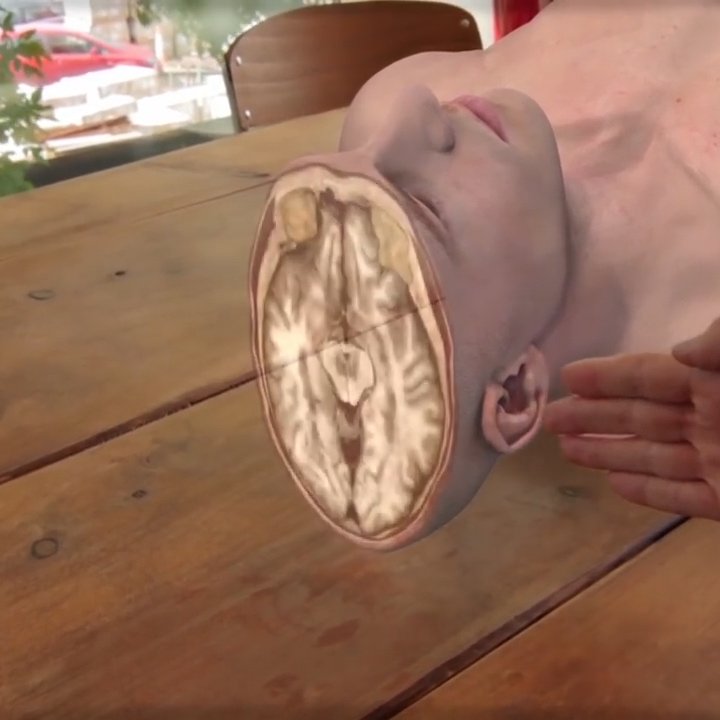
Well explained human anatomy 😍🫀

5,791,541 просмотров • 2 лет назад •via X (Twitter)
Комментарии: 8

This is so cool. But the heart sits in the middle of the lungs in a compartment called the mediastinum.

Human anatomy is the study of the structure of the human body and its various systems. It is a complex field that involves understanding the organization of tissues, organs, and systems within the body. Here's an overview of some key aspects of human anatomy: 1. **Cells**: Cells are the basic building blocks of the human body. They vary in size and shape and perform specific functions. Examples include nerve cells, muscle cells, and skin cells. 2. **Tissues**: Groups of similar cells work together to form tissues. There are four main types of tissues in the body: - Epithelial tissue: Covers the body's surface and lines internal organs. - Connective tissue: Provides support and structure to the body, including bones, tendons, and cartilage. - Muscle tissue: Responsible for movement. There are three types: skeletal, cardiac, and smooth muscle. - Nervous tissue: Coordinates communication between different parts of the body. It includes neurons and supporting cells. 3. **Organs**: Organs are composed of different types of tissues and perform specific functions. Examples include the heart, lungs, brain, liver, and kidneys. 4. **Organ Systems**: Organs work together in organ systems to carry out complex functions necessary for life. Major organ systems include: - Circulatory system: Responsible for transporting blood, nutrients, oxygen, and waste products throughout the body. - Respiratory system: Facilitates breathing and exchange of gases (oxygen and carbon dioxide) between the body and the environment. - Digestive system: Processes food and absorbs nutrients, while eliminating waste products. - Nervous system: Controls body activities by transmitting signals between different parts of the body. - Muscular system: Allows movement of the body and internal organs. - Skeletal system: Provides structural support, protection, and facilitates movement. - Endocrine system: Produces hormones that regulate various bodily functions. - Immune system: Defends the body against pathogens and foreign substances. - Reproductive system: Responsible for reproduction and production of offspring. 5. **Anatomical Position**: Standard position used as a reference in anatomy, where the body is standing upright, facing forward, with the arms at the sides and the palms facing forward. 6. **Anatomical Planes**: Imaginary lines used to divide the body into sections for study. The three primary planes are sagittal (divides the body into left and right halves), frontal (divides the body into front and back halves), and transverse (divides the body into upper and lower halves). 7. **Anatomical Directional Terms**: Terms used to describe the location and relationships of body parts. Examples include anterior/posterior, superior/inferior, medial/lateral, proximal/distal, etc. Understanding human anatomy is crucial in various fields such as medicine, biology, physiology, and physical therapy, as it provides insights into how the body works and how it responds to different stimuli and diseases.

That’s a smart way to explain it 👏🏾

How we should be taught in schools

Super, why there is not such a thing in school books🧐

Humans also have Reproductive organs and female and males skeletal systems are different. There are only 2 genders.

@http_joicesw já salva pra fazer na facul quando tiver oportunidade vai saber

0:07 - 0:11 sasageyo! sasageyo! shinzou wo sasageyo!