正在加载视频...

视频加载失败

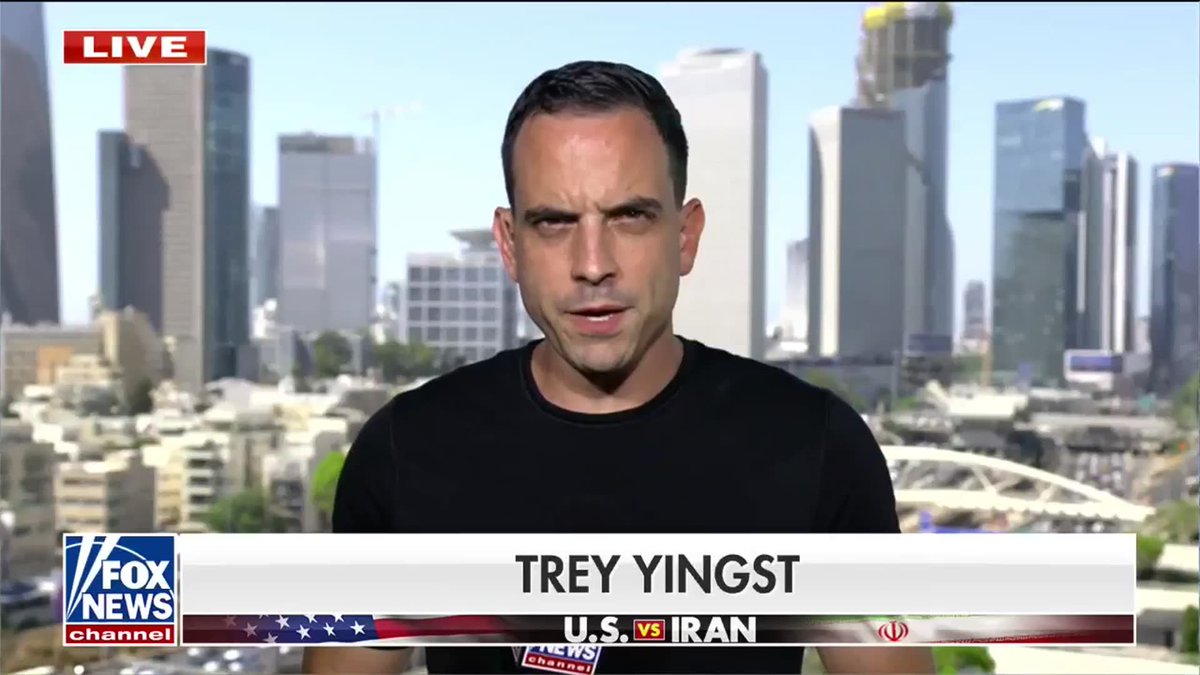
What impact does the attack on Iran have? Geopolitical Instability: The speaker asserts that the U.S. is facing a potential military defeat in the Middle East, exacerbated by a lack of support from traditional allies like Europe and Japan. Economic Vulnerability: The current economic growth is described as an...

15,518 次观看 • 4 个月前 •via X (Twitter)

0 条评论

暂无评论

原始帖子的评论将显示在这里

相关视频

Operation Epic Fury’s geopolitical ramifications has China between a rock and a hard place, with Iran being their oil vendor it leaves them on the sidelines with little recourse, the $1 million question is when the CCP gets desperate for the massive amounts of energy reserves they require is, what moves/options they actually have ? Much of the EU depends on Russia for their energy but China and Russia are next-door neighbors, I think we are witnessing a massive realignment in energy trade that may very well leave the EU out in the cold. ⏺️ Energy Security Vulnerabilities Exposed: The clip underscores China's heavy reliance on Middle Eastern oil imports (over 10 million barrels daily), making it susceptible to U.S.-influenced disruptions in the Strait of Hormuz; this could lead to supply shortages, higher prices, and economic instability, prompting China to accelerate diversification efforts like the Belt and Road Initiative for alternative routes. ⏺️ Escalation of U.S.-China Rivalry: By framing U.S. actions against Iran as indirectly targeting China's industrial base, the narrative highlights a proxy dimension to great-power competition; this could intensify tensions, pushing China toward stronger alliances with Iran and Russia to counter U.S. naval dominance and secure energy corridors. ⏺️ Strategic Incentives for Military Buildup: The emphasis on U.S. "pressure without war" via naval control may accelerate China's naval modernization (e.g., expanding its blue-water fleet and anti-access/area denial capabilities) to challenge U.S. influence in key chokepoints, potentially leading to heightened militarization in the Indian Ocean and South China Sea. ⏺️ Economic Leverage and Trade Impacts: Disruptions to Iranian oil (a key supplier) could raise global energy costs, affecting China's manufacturing exports and GDP growth; this might encourage Beijing to deepen domestic energy reforms, invest in renewables, or use economic tools like yuan-denominated oil trades to reduce dollar dependence and U.S. financial leverage. ⏺️ Diplomatic Realignments: The reel suggests U.S. strategies weaken rivals without direct conflict, which could drive China to bolster multilateral forums (e.g., SCO, BRICS) for collective resistance against U.S. unilateralism, while straining U.S.-China relations and complicating global issues like climate talks or non-proliferation efforts. ⏺️ Risk of Broader Instability: If U.S. pressures lead to Iranian instability or regional conflicts, China could face

ℳ𝒜𝒢𝒜_𝒳_𝒯𝒾𝓂𝑒𝓈 𝒟𝒶𝒾𝓁𝓎 𝒩𝑒𝓌𝓈🇺🇸

12,358 次观看 • 4 个月前