正在加载视频...
视频加载失败
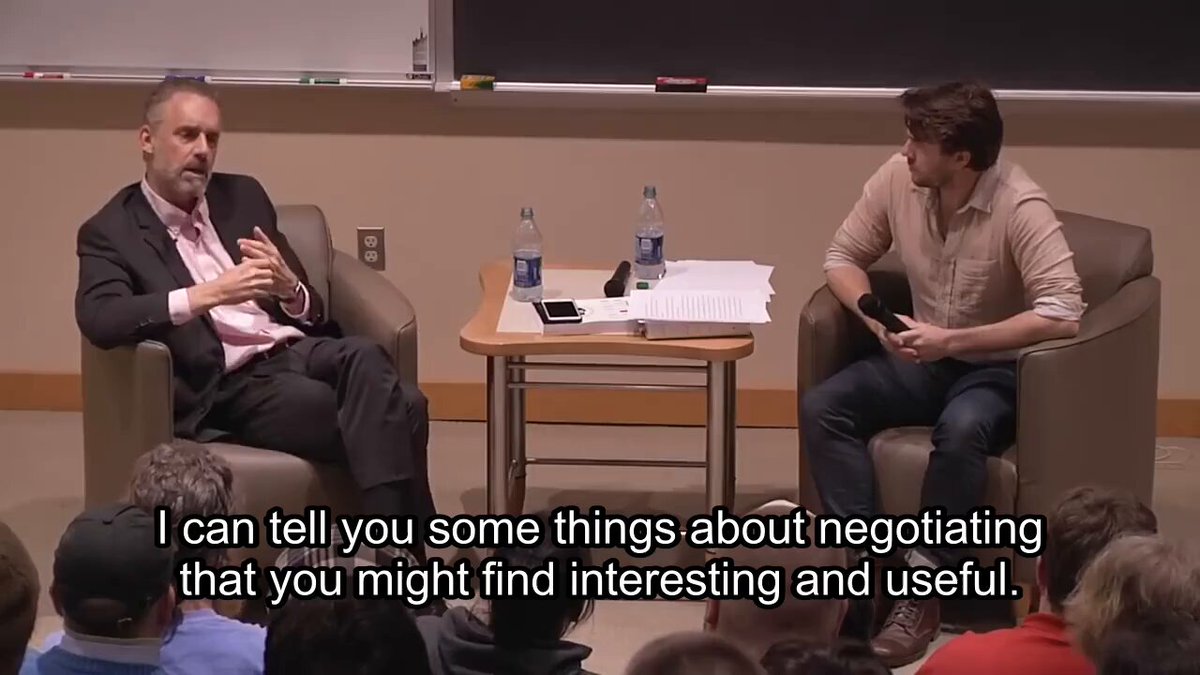
When customers request a feature, what they most want is a commitment: Yes, we'll do that! And that's the most tempting thing in the world to offer them. But you're better off saying THANK YOU and meaning it, without binding yourself to a specific solution.

10 条评论

Full podcast episode here:

Most people cannot resist this temptation because of this mindset: “Oh shit, if I don’t make a commitment, one of the 50 competitors will and I will lose my customer.” …without realizing the fact that doing this will slow down the development of other top-priority features for which 10 customers are waiting.

I have worked in customer request mode. It genuinely produces shitty software because of multiple reasons. Most prominent among them, customer knows nothing about designing good user interfaces let alone good software.

I'm all in about this. The user has a pain, but its the dev decision what is the best answer (if any). When i have a pain, i call a doctor. Automedication is never the answer. BUT It would be amazing in hey that i can clic the mail of a contact and automagically copy it :)

@jasonfried “We have to work on our customers’ behalf and not their requests” — good hell that is amazingly put. Thanks

Would you change your approach earlier on in the process? e.g. say you have only one pilot customer.

Hey customers, Go away! chad move

I hear this from almost every successful developer & have decided to lock it in my mental vault.

Why not just have the UI able to allow the user to specify the toggles that should be visible? Like, that's how Chrome extensions work: you download and enable the extensions you want. IMO a better rationale for not building it is that it isn't a common enough problem.

Well said! But by doing so, they paint the path of climbing the mountain of product market fit. Up to us to choose how to best climb it in the most optimal fashion at that moment.







![Ben Horowitz advice to CEOs “You want to be liked and respected in the long-run. Not the short-run.” “You have to be able to tell [your team] the truth in a way that you probably don’t tell most of your friends the truth,” the a16z co-founder explains. “Anthropologically, we want people to like us so we tell them what they want to hear. But on a company level or if your on the board of somebody’s company, you have to be able to tell them what they don’t want to hear. That’s the most important thing you’re going to say. And yes, they’re not going to like it when you say, but over time it can save the company.” Ben continues: “That’s what leadership is about. If everybody agrees with the decision, then you didn’t add any value, because they would’ve done that without you. The only value you ever add is when you make a decision that most people don’t like, and that’s where leadership comes in… That’s the thing that takes practice.” He gives Nvidia CEO Jensen Huang as an example: “When Jensen talks about how you have to get to near-death to get yourself to do that, I think that’s true. It’s hard to build that [muscle of telling people what they don’t want to hear] if everything is going great.” Source: Lenny Rachitsky (Sep 2025)](https://image.24vids.com/tw-2065884409849635028/amplify_video_thumb/2065770442451722240/img/gqab7xxYRKcXdGjd.jpg)


