正在加载视频...

视频加载失败

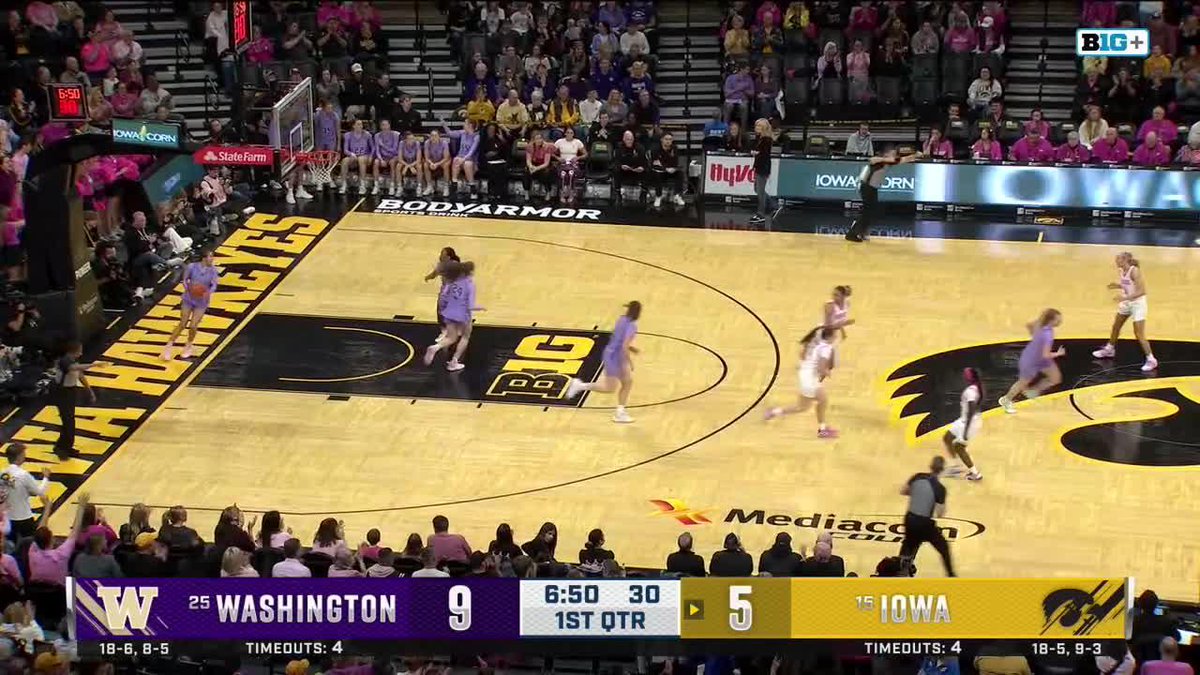
Wide open spaces 😮 Chazadi (Chit-Chat) Wright Class of 2024 PG x #Hawkeyes

16,451 次观看 • 4 个月前 •via X (Twitter)

0 条评论

暂无评论

原始帖子的评论将显示在这里

相关视频

Brysen Wright, RareBreeds 12U 6'2 180, Wide Receiver St. Augustine, Florida The best player on the field was obvious for Sunday's main event of the Youth National Championship presented by Battle Sports. Wide receiver Bryson Wright is the prototype as a pass catcher. Massive frame that is already Power Five ready despite still in middle school. He is filled out and with six-plus years of development before he can even enter a college weight training program, he passes the eye test better than most top wide receiver prospects in the 2024 class right now. An addition to the already star studded RareBreeds perennial Yfbplayoff winning squad, Wright has brought a 'Florida swagger' to a team that dominated 40-14. "The coaching." said Wright on what has elevated him to the top of his age group. "I've been working with the right coaching, learning how to not be selfish and always just do the best I can. Normally tall, bigger guys can't play the way I play. I'm athletic for my size and that's really the biggest part of my game that makes me different." Intangible-wise he checks every single box the same as his size. Wright was able to run multiple routes and did not simply rely on being the biggest skill position player on the field. He is a natural catcher of the football and showed it on a highlight-worthy one-handed grab in the left corner of the endzone early in the contest. On an in-breaking 10-yard route, Wright took a reception for 40-plus for a score proving he can mix in some explosiveness and speed to being a massive target. Ohio State, Florida State, North Carolina and Georgia are schools he hopes to hear from once he gets to the high school level, but he may not have to wait too long. College coaches are already taking notice of the advanced offensive weapon and he could end up one of the few middle school prospects to earn Power Five offers before even deciding where he plays high school ball.

Battle Sports

37,553 次观看 • 3 年前

Hexagons and Octagons Those who follow football and coaching will be well aware that there are trends that emerge and become the great break through in coaching, only to vanish quite quickly. A few stick around and become a staple. Such as the rondo, or the 4v4+4 Guardiola rondo variation. One that did not stick around in the coaching collective consciousness that possible should have was Thomas Tuchel’s use of hexagonal and octagonal playing areas in training sessions. Tuchel explained that cutting off the corners and angling the pitch forced “sharp diagonal” passes that would help break the press. The positioning of players outside the hexagon/octagon or players close to the edges will be manipulated into an open body shape by the angles of the pitch. Players are impacted by environmental constraints and embodied cognition, where the geography of the playing area influences their actions. This influence spreads to the creation of triangles and diamonds within the playing area due to the “funnel” like nature of the playing area. We can use the cut outside angles by placing bounce or target players on the exterior, influencing the movement and organisation internally. The inside players will not have to move wide as those areas are occupied. The internal players will seek to create passing angles using the positioning of the outside players and their internal team mates. The diamonds and triangles will appear. If we leave the spaces on the outside empty players can move to fill the spaces. These act as free spaces to receive from the goalkeeper or open spaces for attackers to overlap into, encouraging attacking combination play and crosses. A different way of using the space is to remove goals and goalkeepers from the ends and place bounce/target players on the outside. Players now can combine with the outside players, when they do so they are then free to finish into the outside goals. The condition can be extended to combining with the target player in the opposite side of the pitch before scoring, adding an element of switching play. The hexagon and octagon are versatile spaces that help to replicate aspects of the game. By funneling the spaces we impact players body shape, ability to play forward quickly, team shape (or small group shapes), players cutting in, defending centrally, the types of combination used and the angles of line breaking pass (diagonals). The angles are hugely significant for teams that value combinations and possession football, Straight passes and receiving angles are much easier to intercept and carry high risks for being counter attacked. Short diagonals can bypass players and attacking shapes, creating angled connections. If an angles pass is given away there is still a risk of being counter attacked but there is more chance of having players around the ball to regain possession. To counter press. The question that emerges is should we then be using hexagons and octagons more? If they are of greater benefit than squares and rectangles, why use them? Should all pitches, including those of a small sided nature be hexagonal? Can the rondo square be replaced by the rondo octagon?

TheBeardedCoach

13,461 次观看 • 5 个月前