Video yükleniyor...
Video Yüklenemedi
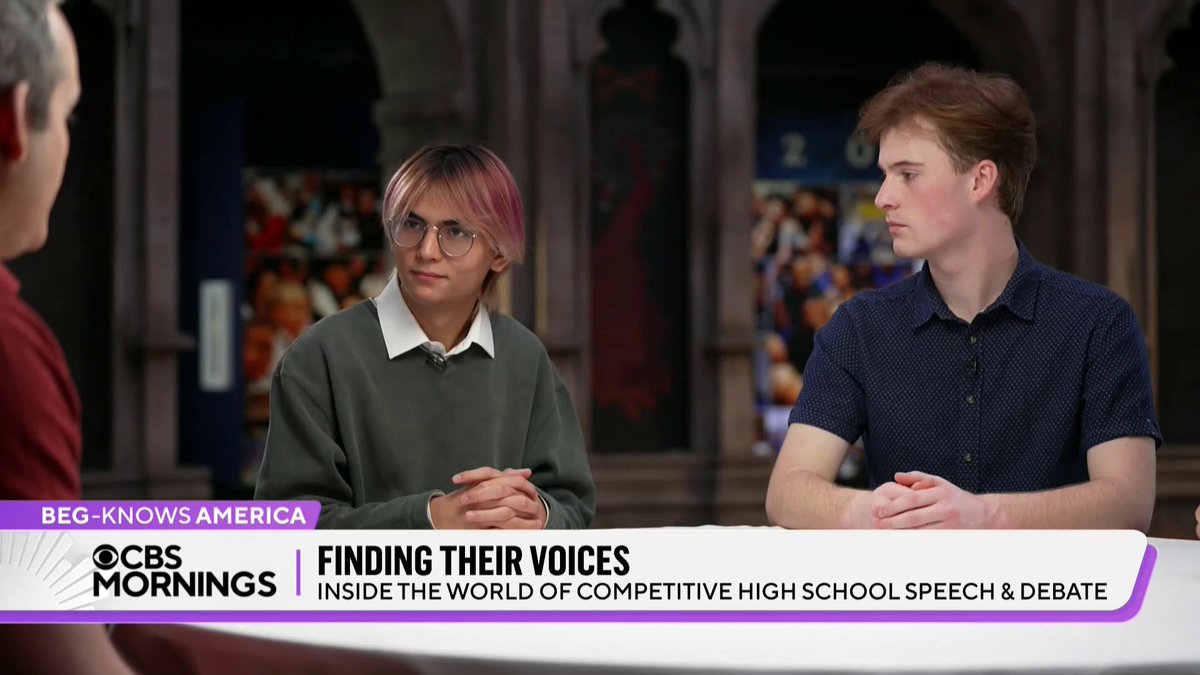
Would you cut off your own hand before cutting off a baby's? I put this version of Socrates' question to high school students in New Zealand. In collaboration with 🗣 Free Speech Union ✊.

13,783 görüntüleme • 11 gün önce •via X (Twitter)
12 Yorum

Context: Plato’s Gorgias 469b–c: Polus: “Then would you wish rather to suffer wrong than to do it?” Socrates: “I should wish neither, for my own part; but if it were necessary either to do wrong or to suffer it, I should choose to suffer rather than do it.” Socrates defends this at 474b–475e: Doing injustice is more shameful and worse than suffering it, because it harms the soul. (For the true nerds, a stricter version is in Crito 49a–d: One must never do injustice at all, even in return. Republic Book 2 has Glaucon stating the opposite popular view, that is, suffering injustice is the greater evil.)

"Would you cut off your own hand before cutting off a baby's?" I would really appreciate it if you could explain exactly what sort of ethical reasoning or principle is being solicited by offering this Hobson's Choice and very macabre version of the trolley problem? What sort of enlightenment is gained by someone answering either way?
Watch full video:

It is a violation of sound epistemological principles and practices to use borderline cases to establish and explain concept X. One examines the primary referents (and their characteristics) to explain the most about what X is and what it does, how it functions. An example such as this is self-indulgent intellectual grandstanding to confuse ignorant young people. The proper ethics/morality—a guide to how to live one’s life—is understood in the context of ordinary existence, not in the extremes or in emergency situations. Once the main concept is delineated, it might be useful in providing some degree of guidance in a borderline situation. But the latter is essentially useless in conveying the nature of the former. The goal of pondering borderline or emergency problems is to decide how best to reestablish the normal conditions as quickly as possible, not to set-up some twisted “gotcha!” by posing a marginal, incidental, rare, or bizarre variant. Again: ethics are for guiding one’s decisions and actions in everyday life. Sick conundrums need not—and do not—apply.

@NZFreeSpeech It is the response to the "suffering" that produces resilience, not the suffering itself. So no, maxing suffering, and obliterating the response is not the logical conclusion from this fact.

@NZFreeSpeech Interesting conundrum. Sacrificing yourself for another. Testing altruism with an extreme moral choice.

@NZFreeSpeech It's interesting to me that our societies seem to loathe vulnerability - let alone positing a 'recipe' sufficient to creating a broad social awareness that vulnerability is a privilege created by power. Or: perhaps that is communicated informally and I don't see it.

@NZFreeSpeech Would you ask a stupid question guaranteed not to get actual honest answers in order to get more clicks and $?

@NZFreeSpeech That would be silly. It would make holding the baby's hands still impossible.

@NZFreeSpeech The baby. You’ve lived your hole life with two hands and the baby doesn’t even know he or she has hands. It would grow up never knowing the difference. But hey I’m an asshole so…..

@NZFreeSpeech Who is making people make this choice in this hypothetical? Negan?!

@NZFreeSpeech Your own baby or a stranger?