ๆญฃๅœจๅŠ ่ฝฝ่ง†้ข‘...

่ง†้ข‘ๅŠ ่ฝฝๅคฑ่ดฅ

๐—”๐—Ÿ๐—Ÿ ๐—œ ๐—ก๐—˜๐—˜๐—— ; One look. Thatโ€™s enough. KANG DANIEL 2026 private screening event 26.4.11 in seoul ๐ŸŽž๏ธ ยฉD-SCOPE ticketing: 26.3.9 21:00, 22:00 #you_ALL_I_NEED #๊ฐ•๋‹ค๋‹ˆ์—˜ #KANGDANIEL

12,576 ๆฌก่ง‚็œ‹ โ€ข 5 ไธชๆœˆๅ‰ โ€ขvia X (Twitter)

0 ๆก่ฏ„่ฎบ

ๆš‚ๆ— ่ฏ„่ฎบ

ๅŽŸๅง‹ๅธ–ๅญ็š„่ฏ„่ฎบๅฐ†ๆ˜พ็คบๅœจ่ฟ™้‡Œ

็›ธๅ…ณ่ง†้ข‘

NEW: Private Jets 101 โ€” Should you buy the $75M+ Global 8000? SpaceX, OpenAI, Anthropic, Cerebras, Cursor.. we're in the biggest wealth event of all time, with $4T+ in combined value The most sought-after next step is flying private. I flew Van Nuys to SF on a Challenger 350 w/ Craft ( Part 135 charter company) founder Israel Slodowitz (Izzy) to break down what flying private actually costs We cover: โ€บ Who flies more: Elon, Sergey Brin, Jensen, Alex Karp, Taylor Swift? โ€บ PJ shortage?! โ€บ Charter vs jet card vs fractional vs own โ€บ A G650 that sold in one hour โ€บ What a jet really costs per year โ€บ Why capital gains wealth can't write off a jet โ€บ The $10M deduction w/ $2M down (+recapture trap) โ€บ Hidden fees, safety gaps, & first-timer mistakes that cost the most โ€บ Does flying private actually cure jet lag? โ€บ Starlink Video also features Captain Raz Matus. ๐“๐ˆ๐Œ๐„๐’๐“๐€๐Œ๐๐’ (00:00) Israel Slodowitz, Founder & CEO of Craft (00:58) The state of Private Aviation in 2026 (04:09) Why first time buyers are buying the biggest planes (05:14) A coming shortage of private jets (06:00) The Private Jet size chart nobody explains (08:26) When does it make sense to buy vs. charter? (11:24) The real cost of a $75M jet (13:30) Breaking down prices by jet category (15:07) Charter vs. Jet card vs. Fractional ownership (19:31) Inside Craft's exchange fund model (25:33) The most economical way to fly private (26:24) Alex Karp's $17M flight bill (28:01) How Aircraft financing actually works (29:25) The Biggest mistakes people make buying a plane (30:23) What to ask before you buy any Private Jet (33:48) The best part of being a Pilot (34:38) The Biggest misconception about Private Aviation (35:48) How Starlink changed the business (37:03) Why Commercial WiFi is so far behind (42:12) The real causes of aircraft downtime (43:48) Do plane windows actually pop out? (45:04) Why jet prices are climbing as supply shrinks (47:25) How to avoid buying the wrong Private Jet (48:58) The Tax Loophole behind $75M Private Jets (58:52) Biggest Health hacks while flying (1:00:02) The Hidden fees in Chartering (1:02:39) The Wildest onboard story (1:03:25) Safety standards and how to vet an operator (1:05:59) Why Pilots refuse to fly into Aspen at night (1:07:26) The Busiest private airports in the U.S. (1:09:39) Flying private, work culture, & the future of wealth (1:11:15) How Captain Raz became a private pilot (1:13:16) The real health hacks for surviving constant flying (1:14:13) Do you actually need a flight attendant on a private jet? (1:17:07) What to actually look for when chartering or buying a jet (1:18:04) His favorite plane vs. the hardest one to fly (1:21:05) The Wildest in-flight catering secret nobody admits

Molly Oโ€™Shea

1,158,345 ๆฌก่ง‚็œ‹ โ€ข 1 ไธชๆœˆๅ‰

BREAKING: Max Levchin (Max Levchin), Co-Founder of PayPal & CEO of Affirm โ€” HQ Tour A Masterclass in: Espressos โ†’ Big Lebowski โ†’ PayPal lessons โ†’ Affirm โ†’ Economics of AI The Dude abides. โ€œThe net IQ of the world Is about to go up 50 pointsโ€ Result: As intelligence becomes normalized, bad actors & "fine print" companies will get exposed faster. We cover: โ€ข Capitalism vs the โ€œwarm embraceโ€ of socialism โ€ข You canโ€™t perfectly time an IPO โ€ข The best time ever to be a CS CEO โ€ข AI collapsing the cost of intelligence โ€ข Great economic shift underway Strikes & gutters, ups & downs. Recorded at Affirm HQ, March 30, 2026 ๐“๐ˆ๐Œ๐„๐’๐“๐€๐Œ๐๐’ (00:00) Max Levchin, Co-Founder & CEO at Affirm (01:35) Inside Affirm's office espresso bar (06:46) How the love for espressos started at age 5 (10:30) Truth about bad coffee beans (13:51) Strava & cycling (14:56) Meeting Alfred Lin & Tony Hsieh over poker (21:14) Onboarding 800K Shopify merchants in one week (22:59) Big Lebowski in every shareholder letter (32:11) The PayPal lesson that built Affirm (35:25) Being a technical CEO (37:57) Why this is the best time to be a technical CEO (42:10) Should engineers still learn to code? (44:48) Side quest with AI (46:59) Companies AI will destroy (49:46) How AI has changed engineering at Affirm (50:54) Agentic commerce & DoorDash (52:28) Devolution of Credit (55:06) Biggest misconceptions about BNPL (57:42) Being a public company CEO (01:07:01) Advice for private companies (01:11:09) Creating his own economy (01:14:29) Can AI help solve the $39T debt problem? (01:16:00) Learnings (01:17:46) Will average IQ rise or fall?

Molly Oโ€™Shea

380,065 ๆฌก่ง‚็œ‹ โ€ข 4 ไธชๆœˆๅ‰

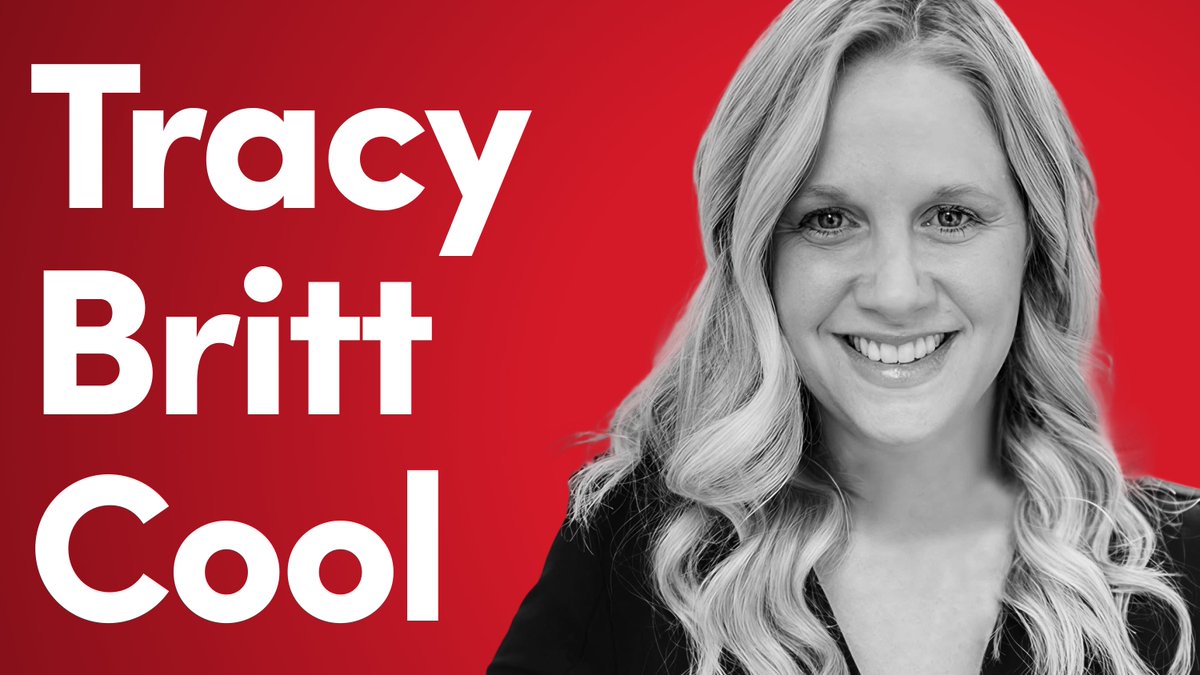
My conversation with Tracy Britt Cool. Warren Buffett called her his "fireman" because of her reputation at Berkshire Hathaway for turning around struggling businesses. In this conversation, you'll learn exactly how she did it, how she evaluates businesses, and the mistake that most people make when hiring. (0:00) Intro, recent reading, and family life (3:04) Alan Mulally's Turnaround at Ford (4:22) The Work Test (5:03) The Pampered Chef Turnaround (7:06) How Value Creation is Changing (8:38) Why Companies Fail to Adapt (10:09) Lessons from the Farm (16:57) Lessons from Warren Buffett (18:25) Ad Break (20:57) Buying Companies at Kanbrick (22:38) The 3 Components of Long-Term Thinking (25:11) Avoiding the Complexity Trap (26:23) How to Turnaround a Declining Business (28:03) Attracting Talent to a Declining Business (30:29) Matching Structure to Time Horizon (32:00) Growing Margins (33:25) The Process: What to Focus on (35:10) The 3 Buckets of Putting People First (37:00) How to Specifically Evaluate Talent (40:16) Identifying the People to Avoid at All Costs (42:23) Sourcing Deals (43:56) 5 Lenses to Evaluate a Business (45:14) How to Evaluate a Moat (49:29) How Quantitative Analysis Misleads (50:25) A Detailed Look at Return on Invested Capital (53:18) What Makes an Attractive Market (54:33) Finding High-Potential Businesses (57:00) The Post Close Playbook (1:02:03) Repeatable Business Systems (1:04:06) Why Copying What Works is Hard (1:06:01) Mistakes in the Past 5 Years (1:10:13) Debt and Leverage (1:12:20) 3 Ways to Think about AI (1:15:13) What Most People Get Wrong When Hiring (1:21:12) Businesses to Avoid (1:22:35) What Not to Do (1:24:31) Public vs. Private Company Boards (1:27:04) How Warren Buffett Taught Katharine Graham Business (1:29:28) Each Hire is a Million Dollar Decision (1:31:02) Evaluating Integrity (1:32:36) The One Word That Keeps People Honest (1:35:52) Principles & Lessons from Business History (1:36:59) Inflation (1:40:22) Public Company Heroes (1:41:41) Companies & Political Opinions (1:42:46) What is Success for you? Tracy Britt Cool is the co-founder of Kanbrick and the former CEO of Pampered Chef. At Berkshire Hathaway, she worked directly with Warren Buffett and was on the board of Kraft Heinz, Benjamin Moore, and Dairy Queen. (Includes paid partnerships. If you're interested in sponsoring, reach out.)

Shane Parrish

430,283 ๆฌก่ง‚็œ‹ โ€ข 10 ไธชๆœˆๅ‰

A special new episode to finish the year: Glyn Davis & Terry Moran are two former Secretaries of the Department of Prime Minister & Cabinet -- they're two of the tiny number of Australians who have literally sat in the Cabinet Room, week after week, watching the highest-stakes decisions get made from the inside. Terry was Secretary from 2008 to 2011, including during the GFC. Glyn was Secretary from 2022 to 2025, resigning only a few months ago. As far as I know, neither has done a long-form podcast like this before -- let alone together. My goal was to ask as many naive questions as possible about the nuts and bolts of Cabinet, and how power is used, shaped and constrained in Canberra. We go into lots of tactical detail. One general takeaway for me was how surprisingly malleable the institutions in a Westminster system are -- for better or worse, the PM really can mould the government around their persona. But the flipside of this is that once they leave power, the machinery snaps back to its default state, or reconfigures around the next PM. So PM's are very powerful, but not in a lasting way. Also, given how reflexively and unfavourably we compare government to the private sector, it was interesting to invert the lens and consider the Cabinet process as an example of operational excellence -- a system refined over more than a century and stress-tested through wars, disasters and depressions. Learning about even small details -- like what the template for Cabinet submissions looks like -- was fascinating. Links below, or watch/listen wherever you get your podcasts. Enjoy! Timestamps: 0:00:00 - Introduction. 0:02:50 - What is the biggest thing Australians get wrong about how federal government works day to day? 0:06:17 - Where does power sit in Canberra? 0:12:38 - Two powerful figures: Nugget Coombs and John Monash. 0:15:44 - Have prime ministers been getting more powerful in Australia? 0:18:24 - Is Cabinet government in the UK and Canada dead? Why not Australia? 0:20:04 - Is Albanese more powerful in Australia than Trump is in the U.S.? 0:22:42 - What is the institutional or conventional source of the PM's power? 0:29:01 - What does a typical day for the PM look like? 0:38:14 - The gritty details of the Cabinet process. 1:15:54 - What are the root causes of big mistakes by governments? 1:19:00 - How often does physical exhaustion impair outcomes? 1:21:00 - How should decision-making structures change in a crisis? 1:24:40 - One thing you'd change about the machinery of government? 1:32:23 - If the PM made solving the housing crisis their top priority, how would that be reflected in the machinery of government? 1:45:15 - How are decisions about war made? 1:49:33 - Questions about "state capacity" โ€” that is, the ability of our governments to achieve their goals. 2:22:33 - What great book remains to be written about government in Australia? (And an explanation of the Red and Blue books.)

Joseph Noel Walker

11,039 ๆฌก่ง‚็œ‹ โ€ข 7 ไธชๆœˆๅ‰

BREAKING: Inside Marc & Ben's Multi-Family Office โ€” a16z Perennial Chief Investment Officer, Michel Del Buono Why wealth management is broken & how to financially prepare for a SpaceX IPO This is a closer look at how $50Mโ€“$1B+ personal portfolios are actually constructed & managed Important: Michel also explains why many founders make critical mistakes immediately after their first liquidity event, & how to avoid them. We cover: โ€ข The โ€œno manโ€™s landโ€ between wealth managers & asset managers โ€ข How founders should handle liquidity events ($50Mโ€“$1B+) โ€ข Diversifying concentrated stock without killing upside โ€ข Venture returns & why manager selection matters more than exposure โ€ข Real estate, taxes, & after-tax alpha โ€ข Why volatility is an opportunity, not a risk โ€ข How to actually choose (and not get trapped by) a wealth manager Special thank you to Dave Maloney ๐“๐ˆ๐Œ๐„๐’๐“๐€๐Œ๐๐’ (00:00) Michel Del Buono, CIO a16z Perennial (01:25) The idea behind a16z Perennial (03:38) Whatโ€™s broken in wealth management (09:05) How wealth has changed over time (11:57) How fee structures shape portfolios (15:26) Why single family offices are hard to run (19:47) Who wealth management is really for (23:26) What makes Perennial different (22:21) Preparing for massive liquidity events: SpaceX, OpenAI... (24:01) How to choose the right wealth manager (26:39) Why switching firms is so hard (28:01) How portfolios are actually built (31:29) Why volatility is an opportunity (32:47) Why real estate is so powerful (34:55) Taxes and the Billionaire Tax debate (38:46) Should you move to save taxes? (40:59) Chamath : SPAC losses & how they affect taxes (42:21) Secondary deals, fake Anduril SPVs & the risks (46:16) What drives returns in Venture Capital (49:42) Biggest Lesson from Marc Andreessen & Ben Horowitz (51:27) The biggest mistake founders make with money (52:53) How to invest after a big exit (54:16) Concerns around private credit (56:38) What big IPOs mean for markets (58:08) Keeping up with markets (59:35) Whatโ€™s the focus this year at a16z

Molly Oโ€™Shea

384,417 ๆฌก่ง‚็œ‹ โ€ข 4 ไธชๆœˆๅ‰

New episode with Dr. Steve Horvath (Prof Steve Horvath), a pioneer in the field of epigenetic aging clocks. Steve developed the original Horvath clock, one of the first tools to show that DNA methylation carries a remarkably reliable signal of aging across human tissues. In this episode, he explains what biological clocks actually measure, why different clocks can disagree, and how to interpret a biological-age result without treating it like a literal lifespan forecast. We talk about chronological age vs. biological age, and we also get into the intervention evidence on exercise and VO2 max, calorie restriction, omega-3s, vitamin D, multivitamins, and weight loss/GLP-1 therapy, among other topics! The big theme is that biological clocks can be useful dashboards, but they are not diagnoses, fortune-telling tools, or proof that one supplement has reversed aging. This was Steve's second appearance on the podcast and he did not disappoint. You won't want to miss this episode. Links to the episode on all platforms in the comments below. Timestamps: 0:00 - Introduction 1:59 - Biological vs. chronological age 7:33 - Why one clock isn't enough 13:16 - PhenoAge vs. GrimAge 15:21 - GrimAge & mortality risk 19:04 - Epigenome as stress memory 23:02 - Can stress be inherited? 25:06 - Why clocks fail in sperm 26:30 - Can lifestyle reverse GrimAge? 28:18 - DunedinPACE as an odometer 32:20 - Judging longevity interventions 34:41 - Clocks as mortality surrogates 38:28 - Most validated interventions 41:25 - 5 years younger in 7 months? 45:43 - Can GrimAge predict death? 47:30 - Translating GrimAge to lifespan 52:16 - Blind spots of aging clocks 58:20 - More than inflammation 1:00:56 - Young blood, transient effects 1:04:46 - Calorie restriction 1:08:54 - GLP-1 drugs & weight loss 1:12:24 - Can a multivitamin slow aging? 1:21:05 - Omega-3, vitamin D, & exercise 1:28:55 - Removing an aging accelerator 1:31:24 - Vegetables vs. exercise 1:36:58 - Does red meat age you? 1:38:38 - Hard training moves the clock 1:45:59 - Heat as an exercise mimetic 1:47:23 - When cold slows the clock 1:49:48 - Does poor sleep speed aging? 1:51:19 - Can friendship slow aging? 1:57:49 - Are consumer tests worth it? 2:02:46 - Choosing a reliable test 2:07:33 - Different clocks, different lenses 2:12:21 - Can AI build better clocks? 2:13:53 - Partial reprogramming 2:17:47 - What reprogramming can't fix 2:22:37 - Do DNA mutations drive aging? 2:24:53 - The silver bullet problem 2:29:23 - Limits of polygenic risk 2:33:32 - Steve's longevity routine 2:38:05 - How stress affects aging

Dr. Rhonda Patrick

86,945 ๆฌก่ง‚็œ‹ โ€ข 2 ไธชๆœˆๅ‰

Former staffer of Rep. Eric Swalwell (D-CA) vividly describes to CNN how Swalwell sexually assaulted and r*ped her. CNN reports on corroborating evidence and other victims. Exhibit Aโ€”Oral sexโ€”(00:38) โ€œIt was in 2019, I was again driving him to an event. This was my jobโ€ฆ I was 21 years old. We see some sort of parking lot and he says to pull over. (00:47) He pulls out his pen*s and instructs me to give him oral sex. And I started to, again. I felt incredibly uncomfortable. And I stopped and I said to him, โ€˜This feels really uncomfortable and anyone can see us right now.โ€™ And he said to me, โ€˜Youโ€™re right. Itโ€™s probably not good for a congressman to be caught with his pants down.โ€™โ€ Exhibit Bโ€”NDAsโ€”(01:29) Swalwell doesnโ€™t deny he had NDAs he made staffers sign, but instead says, โ€œThereโ€™s never been an allegation and thereโ€™s never been a settlement.โ€ Thatโ€™s not a denial of having NDAs. Exhibit Cโ€”Lewd photosโ€”(01:48) โ€œHe would send short Snapchat videos of him rubbing his pen*s through his pants while on the airplane.โ€ Exhibit Dโ€”Potential r*peโ€”(02:07) She woke up naked next to Swalwell and he said โ€œlast night was great.โ€ Exhibit Eโ€”R*peโ€”(03:17) She says how in 2024 she met Swalwell and then he r*ped her. (03:51) โ€œI can see flashes of that evening of him on top of me, me pushing him off. Him grabbing meโ€ฆ (04:07) I said, โ€˜No.โ€™ In my flash that I can recall, I was pushing him off of me saying noโ€ฆ He didnโ€™t stop.โ€ Exhibit Fโ€”Corroborationโ€”(04:44) CNN says, โ€œHer mother confirmed her account in an interview with CNN. CNN also reviewed screenshots of texts she sent to a friend saying she was sexually assaulted, by Eric. She also shared this note from a physicianโ€™s assistant calling her a survivor after she went to get tested for STDs one week later.โ€ Exhibit Gโ€”More victimsโ€”(05:20) โ€œIn addition to this former staffer, three other women who spoke with CNN also allege sexual misconduct by Swalwell. One said he kissed her and touched her without her consent. Two of the women said he sent them unsolicited explicit messages or nude images of himself. Something the others said Swalwell did with them as well.โ€ Swalwell denies all these allegations.
6:39

Sensitive content

Former staffer of Rep. Eric Swalwell (D-CA) vividly describes to CNN how Swalwell sexually assaulted and r*ped her. CNN reports on corroborating evidence and other victims. Exhibit Aโ€”Oral sexโ€”(00:38) โ€œIt was in 2019, I was again driving him to an event. This was my jobโ€ฆ I was 21 years old. We see some sort of parking lot and he says to pull over. (00:47) He pulls out his pen*s and instructs me to give him oral sex. And I started to, again. I felt incredibly uncomfortable. And I stopped and I said to him, โ€˜This feels really uncomfortable and anyone can see us right now.โ€™ And he said to me, โ€˜Youโ€™re right. Itโ€™s probably not good for a congressman to be caught with his pants down.โ€™โ€ Exhibit Bโ€”NDAsโ€”(01:29) Swalwell doesnโ€™t deny he had NDAs he made staffers sign, but instead says, โ€œThereโ€™s never been an allegation and thereโ€™s never been a settlement.โ€ Thatโ€™s not a denial of having NDAs. Exhibit Cโ€”Lewd photosโ€”(01:48) โ€œHe would send short Snapchat videos of him rubbing his pen*s through his pants while on the airplane.โ€ Exhibit Dโ€”Potential r*peโ€”(02:07) She woke up naked next to Swalwell and he said โ€œlast night was great.โ€ Exhibit Eโ€”R*peโ€”(03:17) She says how in 2024 she met Swalwell and then he r*ped her. (03:51) โ€œI can see flashes of that evening of him on top of me, me pushing him off. Him grabbing meโ€ฆ (04:07) I said, โ€˜No.โ€™ In my flash that I can recall, I was pushing him off of me saying noโ€ฆ He didnโ€™t stop.โ€ Exhibit Fโ€”Corroborationโ€”(04:44) CNN says, โ€œHer mother confirmed her account in an interview with CNN. CNN also reviewed screenshots of texts she sent to a friend saying she was sexually assaulted, by Eric. She also shared this note from a physicianโ€™s assistant calling her a survivor after she went to get tested for STDs one week later.โ€ Exhibit Gโ€”More victimsโ€”(05:20) โ€œIn addition to this former staffer, three other women who spoke with CNN also allege sexual misconduct by Swalwell. One said he kissed her and touched her without her consent. Two of the women said he sent them unsolicited explicit messages or nude images of himself. Something the others said Swalwell did with them as well.โ€ Swalwell denies all these allegations.

Paul A. Szypula ๐Ÿ‡บ๐Ÿ‡ธ

192,500 ๆฌก่ง‚็œ‹ โ€ข 4 ไธชๆœˆๅ‰

๐Ÿ‡บ๐Ÿ‡ธ MOSSAD, MI6, THE CIA, AND PUTIN: AN EX-CIA OFFICER MAPS EVERY INTELLIGENCE LINK IN THE EPSTEIN FILES John Kiriakou spent 14 years at the CIA and went to federal prison for exposing the agency's torture program. He knows what intelligence operations look like from the inside, and he says the Epstein files are exactly that. Epstein was actively seeking access to the CIA, FBI, NSC, MI5, MI6, and even requested a private meeting with Putin. He had SCIF access in 2018. John says an uncleared civilian shouldn't even know where a SCIF is, let alone be invited inside one. Victims received death threats in Hebrew. John says that tracks with how Mossad operates. On the death, the ear doesn't match, the autopsy doesn't add up, and the body was cremated so it can never be re-examined. John also confirmed that during his time at the CIA, he was part of a conversation where officials discussed encouraging a problem asset to kill himself. We've seen 2% of what the FBI has. And someone decided that's enough. The question is who made that call, and what's in the other 98%. Full interview with John Kiriakou below 02:10 - Whoโ€™s behind the cover-up? Kiriakou weighs Mossad vs. CIA vs. the billionaire class. 04:36 - New conclusion: Epstein was actively seeking ties to CIA, FBI, MI5, MI6, and even Putin. 07:09 - Epstein enters a SCIF in 2018 despite being an uncleared convicted sex offender. 09:45 - Plotting to access billions in frozen Libyan assets with alleged MI6 and Mossad ties. 16:30 - Victims receive death threats in Hebrew: is this Mossad tradecraft? 21:30 - The prison irregularities: deleted footage, broken protocols, and missing cellmate. 24:00 - The ear, the autopsy, the โ€œdecoy body,โ€ and unanswered forensic questions. 29:19 - Only 2% of the files released: parallels to the redacted torture report. 39:50 - Honeypot or blackmail operation? Cameras in bathrooms and coded language. 43:11 - Kiriakou recalls CIA officials discussing encouraging a liability to commit suicide.

Mario Nawfal

1,079,820 ๆฌก่ง‚็œ‹ โ€ข 5 ไธชๆœˆๅ‰

E160: Paradex: The Wealth Creation Engine of the Internet Economy fiddy.dime - priv/acc ๐Ÿฆก is building Paradex, a perpetuals DEX he believes will become one of the five that will power onchain finance. He is back on When Shift Happens for Paradexโ€™s upcoming Token Launch and to help you spot the difference between TGE - Token Generation Event and TGE - Teamโ€™s Gonna Exit! Timestamps: 0:00 Introduction 1:55 25 Day Fast & The Benefits 7:14 Building Businesses While Dealing With Health Issues 9:25 Partnerships: Jupiter KAST 10:05 Being A Super Entrepreneur Helps With Finding Solutions To Anything 14:04 Fixing Your Health Makes You Unstoppable When Building A Business 15:20 The Playbook To Surviving & Becoming Stronger In Crypto 18:52 The Key To Staying Motivated No Matter What 21:02 How Difficult Is It To Run A Crypto Exchange 23:14 Anand's Stance On Hiring People Who Execute 28:48 Partnerships: Paradex Zodl (fka Zashi) Sumsub 30:02 Anandโ€™s Belief On What Crypto Represents & What It Should Be 33:48 What Do You Want Crypto To Be? 35:12 Paradexโ€™s Privacy Aspect Explained 36:58 Has Anand Ever Thought Of Building Paradex On Solana 41:12 Do You Ever Regret Or Doubt Yourself? 44:08 Anandโ€™s Unshakable Northstar That Drives Him Everyday 44:45 Why Anand Is Extremely Bullish On The Perp Space 47:35 Partnerships: Trezor Bitwise Sui 48:32 What Happens To The Perp Space In One Years Time 51:43 People Starting To Look Beyond Memecoins & Seeing Real Use Cases 52:56 What Are The Two Types Of TGE & How Can People Spot This In A Community 55:34 Cryptoโ€™s โ€œBad Repโ€ Comes From These Non-Serious Token Creators 56:50 Paradex Stands Out Because Of The Transparency, Alignment, & Governance Framework 59:30 How You Ensure People Wonโ€™t Use Options As An Instrument To Sell 1:01:19 Whatโ€™re You Trying To Prove Here? 1:03:31 Launching A Token In A Bear Market 1:05:22 Can You Be Transparent With Us Now? 1:05:50 What Does The Little Voice In Your Head Tell You Every Day & Night 1:08:08 Closing Thoughts

MR SHIFT ๐Ÿฆ

111,473 ๆฌก่ง‚็œ‹ โ€ข 5 ไธชๆœˆๅ‰

WARNING: โ€œWe havenโ€™t had problem in 15 years or moreโ€ฆat some point there will be forced reckoning.โ€ A few weeks ago Fmr Goldman Sachs Chairman & CEO Lloyd Blankfein โ€“ a true titan of finance โ€“ joined The Master Investor Podcast and shared lessons from his life, including the American Dream, actionable career advice, what makes a great trader & lessons from the 2008 financial crisis with some worrying warnings for today. LESSONS FROM 2008: โ€œIf I was still managing the risk of a big institution today I'd be very, very concerned about something that could trigger [a blaze] and I think this is a good time to look for the spark. Could the spark be private equity? Could it be private credit? Could it be the price of oil suddenly doubling? It could be any of those things & the world might absorb that at any other time except we haven't had a problem in 15 years or more. At some point there'll be a forced reckoning.โ€ ART OF GREAT TRADE: โ€œTraders are a lot like good poker players. Over your life, statistically you're going to get the same amount of good hands & bad hands that anybody else will get but somehow the good poker player always wins and the poor poker player always loses. Why is that? One will play the cards betterโ€ฆget out of a bad position quicker and let his opportunity run in a good position. The future is very hard to identify, but I noticed the people who are very good traders are the people who react the quickest to changes.โ€ CAREER ADVICE: โ€œIn order to do a good job, you need the enthusiastic support of the people who are your subordinates. I didn't always make myself so friendly to the people around me. If I'd known I was going to grow so senior in the firm, I would've been a lot nicer to people on the way up because then I would've had to spend much less of my time apologising to them. Once I got to those positions, I needed their support as I moved up the letterhead.โ€ Timestamps: 0:00 Intro 2:49 The advantage of low expectations 5:10 Feeling insignificant 6:52 The American Dream 8:15 J. Aron vs Goldman Sachs 11:16 The art of being a great trader 13:21 Traders vs Investment Bankers 16:25 Memories of 2008 Financial Crisis 20:28 โ€œYou canโ€™t recover from being deadโ€ 22:26 Dรฉjร  vu today from 2008? 26:13 A reckoning is coming 28:28 US government debt risks 30:00 US economy has strong culture 34:10 London as a financial centre 36:22 I started life as a gold trader but it didnโ€™t make me a gold bug 37:52 I am mostly in equities 39:10 You need support of subordinates not grudging cooperation 42:45 Suck it up and stick it out 45:27 Donโ€™t get deluded by your own self importance 47:53 Worrier not a warrior 51:55 Optimism is generally justified

Wilfred Frost

59,098 ๆฌก่ง‚็œ‹ โ€ข 2 ไธชๆœˆๅ‰

๐Ÿšจ๐Ÿ‡บ๐Ÿ‡ธ EXCLUSIVE w/ COL. DANIEL DAVIS ON GAZA, U.S. EMPIRE DECLINE, & WW3 TRIGGERS Heโ€™s advised top generals, commanded in Iraq and Afghanistan, and now sounds the alarm on whatโ€™s coming next. I sat down with Col. Daniel Davis to get his brutally honest take on global chaos and American decline: โ€ขโ  โ Can the U.S. stop overextending before it collapses like past empires? โ€ขโ  โ Will Ukraine spark a global war, or be quietly abandoned by the West? โ€ขโ  Is China preparing for war over Taiwan, and can we stop it? When I asked him what keeps him up at night, it wasnโ€™t terrorism or partisanship. It was hubris: the blind belief that the U.S. canโ€™t fall, even as it repeats the mistakes of every fallen empire in history. This interview is a window into the mind of someone whoโ€™s spent his life at the center of American power, fighting its wars, questioning its leaders, and warning about what comes next. 00:17 โ€“ Gazaโ€™s turning point: โ€œAt some point, this becomes more than a counterterrorism operation and becomes strategic suicide.โ€ 04:42 โ€“ Ukraine war reality check: โ€œWeโ€™re asking Ukrainians to fight and die for objectives we know they canโ€™t achieve.โ€ 09:58 โ€“ U.S. empire warning: โ€œWeโ€™re doing exactly what Rome didโ€”overextending, overspending, and refusing to face reality.โ€ 14:06 โ€“ Why we canโ€™t beat Russia: โ€œThey have thousands of tanks and an industrial base to support them โ€” we donโ€™t.โ€ 21:13 โ€“ Will the U.S. abandon Ukraine?: โ€œThereโ€™s going to be a sharp pivotโ€”maybe after the electionโ€”because this is not sustainable.โ€ 28:20 โ€“ On WW3 risks: โ€œThe real danger is that one mistakeโ€”one wrong missileโ€”can turn this from a proxy war into a global catastrophe.โ€ 34:09 โ€“ Can America still deter China?: โ€œRight now, we are stretched too thin to fight a two-front warโ€”and China knows it.โ€ 41:40 โ€“ Iranโ€™s regional ambition: โ€œIf we strike them first, expect asymmetric retaliation โ€” not just in the Middle East, but globally.โ€ 49:12 โ€“ Israelโ€™s Iron Dome blind spot: โ€œIron Dome canโ€™t stop a mass swarm โ€” if Hezbollah unleashes everything, it's game over.โ€ 52:45 โ€“ The โ€˜Golden Domeโ€™ prophecy: โ€œIf that site is hit or destroyed, you're not just talking about war โ€” you're talking about Armageddon.โ€ 59:36 โ€“ On U.S. decline: โ€œWeโ€™ve lost our industrial base, hollowed out our economy, and now rely on borrowed credibility.โ€ 01:01:24 โ€“ Chinaโ€™s energy vulnerability: โ€œWe could interdict that with our naval powerโ€ฆ theyโ€™re very vulnerable to that.โ€ 01:01:57 โ€“ Chinaโ€™s red line on Taiwan: โ€œIf there is any overt declaration of independence, thatโ€™s it โ€” thatโ€™s the red line.โ€ 01:05:16 โ€“ Why nuclear deterrence still works: โ€œNobody wins in a nuclear war โ€” and every leader knows it.โ€ 01:08:22 โ€“ Why peace is off the table: โ€œWeโ€™ve made diplomacy a dirty word โ€” now war is the only language we speak.โ€ 01:11:43 โ€“ What could save America?: โ€œStrategic humility. We need to stop pretending we can run the world.โ€ 01:14:09 โ€“ Final warning from Daniel Davis Deep Dive : โ€œThe U.S. has a choice: adapt and survive, or keep pushing and collapse like every empire before it.โ€

Mario Nawfal

997,751 ๆฌก่ง‚็œ‹ โ€ข 10 ไธชๆœˆๅ‰

It's the June Q&A on Open Book, and you came at me with everything this month: aliens, whether there's a reckoning coming when Trump's term ends, and the honest reason it took me so long to break from him. I'm dodging none of it, plus I'm handing you a summer's worth of book recommendations. Keep the questions coming in the comments. Thank you to Joana and Big Chorux 2.0 ๐Ÿฅท from X for asking questions. Timestamps 0:00 June 2026 Open Book Q&A Introduction 0:45 Is there going to be a reckoning in US politics when the Trump term ends? 2:07 If you were going to grad school again today, would you still go to law school? If not, why not? 3:52 Any recommendations for resources (books, podcasts, blogs, whatever) appropriate for an early high school level (like 9th grade) on how markets really work? 5:11 X Joana Which books would you recommend a 12-year-old boy whoโ€™s an advanced reader with an interest in history and fantasy/adventure? 6:00 Whatโ€™s the honest reason it took you that long to see what you now say so confidently, and what do you think current Trump-aligned officials are rationalizing right now that you used to? 8:23 What are your thoughts on the NY Democratic primary results? 9:08 I want to read more, but struggle with time. Whatโ€™s a short, punchy book you would recommend? 10:04 Do you believe (as I do) that those three goals are compatible with the Democratic Socialist wave we just witnessed in the NYC primaries? 11:13 My question to you is: how can we encourage others on both sides to drop the dogma and the pitchforks, put our heads together, and think critically about these issues? 12:42 Do you have any advice for a young person looking to make a positive contribution to our democracy? 13:34 What are some practical ways for American citizens to reclaim it in a constructive way? 14:30 Who is a famous entrepreneur who you would like to see run for President? 15:32 Many leading members of the financial community have a genuine and deeply-held engagement with art. Do you collect, and do you have a favorite artist or art movement? 16:51 X Big Chorux 2.0 ๐Ÿฅท What's one thing you wish you knew at 20? 17:40 Which books provide the best overview of U.S. financial history, especially the role of bank bailouts and private equity in shaping the modern economy? 18:20 What is the best advice you give your kids about politics? 19:05 Has a book ever changed your opinion on an issue? If so, what was it? 20:03 Do you believe aliens are among us? 21:14 What is your best takeaway and your greatest regret from your early career days? 22:08 What are some book recommendations you can offer?

Anthony Scaramucci

22,395 ๆฌก่ง‚็œ‹ โ€ข 1 ไธชๆœˆๅ‰

"900,000 BARRELS JUST ARRIVED IN JAPAN": President Trump's Truth Social Post Lands as Beijing's Hormuz Strategy Officially Implodes โ€” Inside the Tanker That Just Rewrote the Indo-Pacific Energy Map The M/V Otis didn't just dock in Tokyo Bay. It docked on top of the CCP's entire wedge-strategy thesis. "HUGE MOMENT! Asia is getting their oil from the United States now. 900,000 barrels just arrived in Japan. America will lead the charge on oil dominance." President Trump's post โ€” accompanied by an ANN News screenshot of an American crude tanker easing into Tokyo Bay at dawn โ€” is doing the kind of work that ten policy white papers cannot. It is taking a moment of strategic transformation and stamping it onto the public consciousness in a single image: U.S. oil. Japanese port. Middle East bypassed. And for once, the substance behind the showmanship checks out. What Actually Happened in Tokyo Bay The tanker is the Suezmax-class M/V Otis (IMO 9408217). On the morning of Sunday, April 26, she eased up to an offshore jetty in Tokyo Bay carrying approximately 910,000 barrels of Texas light crude oil bound for a refinery in Chiba Prefecture. The cargo was transferred through an undersea pipeline to a facility operated by Cosmo Oil, a subsidiary of Cosmo Energy Holdings, where it will be processed into petroleum products including gasoline for domestic distribution. The voyage itself is the part that matters strategically. The Otis loaded in Texas on March 22 and completed a roughly 35-day voyage through the Panama Canal โ€” one of the largest direct U.S. crude deliveries to Japan in years. The alternative routing โ€” Cape of Good Hope, which takes about 55 days โ€” was bypassed in favor of the Panama Canal, cutting transit time by roughly 20 days. This is the operational answer to a question Beijing assumed had no answer: Can American crude actually reach Japanese refineries fast enough, in sufficient volume, to matter when Hormuz is contested? The Otis is the receipt. The Real Number Is Not 910,000. It's 4x. A single tanker, as honest reporting from noted, amounts to less than one day's consumption in Japan. Taken in isolation, 910,000 barrels is a symbol, not a strategy. The strategy lives in the trendline. According to Japanese government documents reviewed by Reuters, Japanese imports of U.S. crude oil for May will be four times higher than they were a year earlier โ€” up from a May 2025 baseline of 189,000 barrels daily, which represented about 8% of total imports that month. Tokyo also expects that by May, it will have secured half of its imports from suppliers outside the Middle East, with the United States the largest among those alternative suppliers, joined by Malaysia, Azerbaijan, Brazil, Nigeria, and Angola. For a country that historically sourced as much as 95% of its oil from the Middle East, this is the fastest reorientation of a G7 energy supply chain in the post-Cold War era. The Otis is the first tanker in a queue, not the last. The $56 Billion Bet Behind the Tanker None of this is happening on autopilot. On March 14, at the Asia-Pacific Energy Security Forum in Tokyo, Japan signed agreements worth up to $56 billion with the United States covering oil, natural gas, and LNG purchases and investments โ€” sitting inside the broader framework from the 2025 U.S.-Japan trade agreement, under which Japan pledged $550 billion in U.S. investments, with energy as a key pillar. Five days later, Prime Minister Sanae Takaichi โ€” Japan's first woman prime minister and one of the most China-skeptical leaders Tokyo has produced in a generation โ€” walked into the Oval Office and, in front of cameras, embraced President Trump. The visit had a few rough edges: Trump's unprompted Pearl Harbor reference, made when a Japanese reporter asked why allies hadn't been warned about the February 28 strike on Iran, appeared to take Takaichi aback. But on substance the meeting did exactly what an alliance summit is supposed to do โ€” it pre-positioned the energy pivot the Otis would later make material. By May 19, that pivot had widened into a trilateral. In Seoul, President Lee Jae-myung and Prime Minister Takaichi agreed to expand LNG cooperation under the bilateral Supply and Demand Cooperation Agreement signed in March, and to deepen information sharing and communication channels related to crude oil supply, demand, and stockpiling โ€” explicitly framed by Seoul as a vehicle for South Koreaโ€“Japan and South Koreaโ€“U.S.โ€“Japan cooperation for regional peace and stability. The Hormuz shock was supposed to fracture this triangle. Instead, it welded it. What Beijing Got Wrong โ€” And Why It Matters The Chinese Communist Party's strategic miscalculation in the Hormuz file was not merely tactical. It was conceptual. For roughly a decade, Beijing's working thesis on Asian energy security has been that the United States cannot credibly underwrite the region from outside the Persian Gulf, and that any Middle East flashpoint would therefore translate into political leverage for China โ€” the buyer of last resort with the deepest stockpiles, the longest supply contracts, and the most flexible sanctions tolerance. The thesis has just failed three stress tests at once. First, the logistics held. Alaskan crude can reach Japanese refineries via Pacific routes about a week faster than Middle Eastern shipments, and Texas crude via Panama โ€” as the Otis proved โ€” gets there in 35 days. Tokyo is now actively weighing expanded Alaskan imports and a joint U.S.-Japan strategic crude reserve arrangement. Second, the political will held. Takaichi did not hedge. She unilaterally began releasing 15 days' worth of private-sector reserves from March 16, followed by a month's worth of state-held oil, and committed Japan to participating in the IEA's coordinated 400-million-barrel release, with Japan contributing 80 million barrels โ€” 54 million in crude and 26 million in oil products. Third โ€” and most damaging to Beijing's strategic narrative โ€” China's own position deteriorated. While Tokyo was diversifying westward across the Pacific, Iran continued sending the bulk of the crude still moving โ€” roughly 1.22 million barrels per day โ€” to China, after a record 2.16 million bpd in February that was entirely destined for Beijing as it amassed reserves. The CCP's "energy security" turned out to be a deeper handcuff to a sanctioned, militarily degraded supplier whose primary export terminal โ€” Kharg Island, the departure point for roughly 90% of Iran's crude exports โ€” has been struck by U.S. forces. Beijing did not de-risk. It concentrated risk. And when Trump publicly pressured Beijing to help secure Hormuz on the grounds that 90% of Chinese oil flowed through it, Chinese state spokespeople were reduced to publicly emphasizing that the country had "enough" energy reserves โ€” an answer that managed to be both defensive and, in strategic terms, an admission. The Honest Caveats Serious analysis requires acknowledging what the headline glosses over. The Otis cargo is, by Japan's own ministry, less than one day's consumption. U.S. crude exports cannot fully substitute for Middle Eastern barrels: industry analysts cited by Axios put the realistic monthly ceiling for U.S. crude exports in the 5.5 million bpd range, with Gulf Coast port and terminal capacity acting as a hard infrastructure limit. The Iran war has been genuinely costly โ€” Brent crude topped $110 a barrel in late March before retreating to roughly $98 by late May โ€” and the global growth picture has been marked down accordingly. There are also legitimate technical questions about crude grade compatibility (U.S. light sweet vs. Middle Eastern medium sour) that Japanese refineries will need to manage. The diversification away from Hormuz is real, but it is not free, not frictionless, and not complete. These caveats sharpen the conclusion. They do not invert it. The Strategic Bottom Line Three months ago, the Hormuz file was supposed to be the lever that pried Tokyo loose from Washington. The arithmetic looked plausible on paper: Japan and South Korea are the third- and fourth-largest destinations for crude moving through the Strait of Hormuz, behind only China and India. Pain there should, in theory, have created political space for Beijing. It didn't. The pain became the catalyst. A $56 billion energy package. A four-fold surge in U.S. crude bound for Japanese refineries. A Suezmax tanker easing into Tokyo Bay at dawn carrying 910,000 barrels from Texas. A trilateral Tokyoโ€“Seoulโ€“Washington cooperation framework formalized in the middle of a war Beijing was counting on to crack it. There is a lesson here for anyone still treating CCP economic statecraft as inevitable: leverage that depends on your rival having no alternative evaporates the moment one is built. Tokyo built one. Washington underwrote it. Trump is now broadcasting it. And the manifests in Yokohama harbor are the proof. The alliance held. The wedge failed. The map has been redrawn โ€” and the next tanker is already loading. Original article by me Aric Chen. Views are my own โ€” welcome to discuss! ยฉ 2026 Aric Chen. All rights reserved. Any unauthorized use will be reported under the DMCA.

Aric Chen

17,007 ๆฌก่ง‚็œ‹ โ€ข 2 ไธชๆœˆๅ‰