Загрузка видео...

Не удалось загрузить видео

На главную

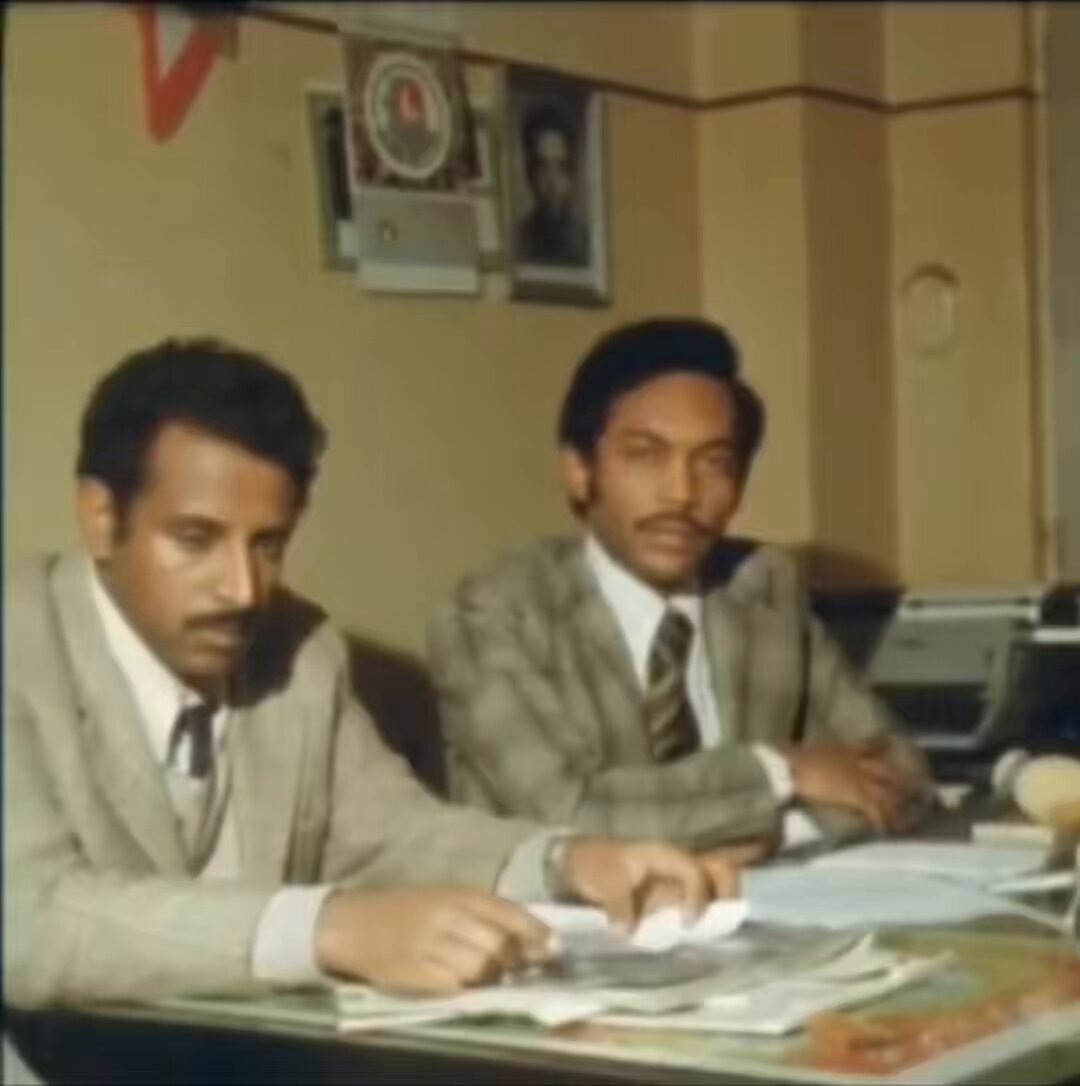
📝𝗧𝗵𝗶𝘀 𝗶𝘀 𝘄𝗵𝘆 𝗘𝘁𝗵𝗶𝗼𝗽𝗶𝗮 𝗯𝗲𝗰𝗮𝗺𝗲 𝗹𝗮𝗻𝗱𝗹𝗼𝗰𝗸𝗲𝗱 𝗳𝗼𝗿𝗲𝘃𝗲𝗿— because the Somali government supported the #Eritrean struggle for liberation, which ultimately led to their independence. President Siad Barre also stood firm when #Ethiopia sought access to a military base in Djibouti. At that time, Ethiopia viewed jibouti as a threat and...

22,532 просмотров • 1 год назад •via X (Twitter)

Комментарии: 0

Нет доступных комментариев

Здесь появятся комментарии из оригинального поста

Похожие видео

🚨#Breaking: Djibouti Offers Ethiopia Full Control of Port in Bid to Counter Somaliland Djibouti's Foreign Minister, Mahmoud Ali Youssef ( Mahmoud Ali youssouf ), has proposed granting Ethiopia 100% control of the port of Tajourah, along with a new corridor leading to the port, as a solution to Ethiopia's lack of sea access. In an interview with the BBC, Youssef stated that the proposal, which includes a newly constructed corridor connecting the port to the Ethiopian border, aims to resolve Ethiopia's longstanding issue of accessing the sea. He indicated that President Ismail Oma Geela will discuss the proposal with leaders from Somalia and Ethiopia during the upcoming China-Africa summit next week. The proposal comes amidst heightened tensions between Somalia and Ethiopia over the recent agreement between Ethiopia and Somaliland, which Somalia vehemently opposes. Djibouti, meanwhile, is engaged in an economic war with Somaliland, aiming to hinder its economic growth and international recognition. Youssef believes this proposal could create a win-win situation for all parties involved. However, the proposal is primarily aimed at strengthening Djibouti's economic dominance over Ethiopia, while simultaneously bolstering Somalia's claims to Somaliland and hindering its recognition. The potential impact of this proposal on Somaliland's economic growth and its pursuit of international recognition remains a key concern. In both cases, whether an agreement is reached between Ethiopia and #Somaliland or between #Djibouti and #Ethiopia for access to the sea, Ethiopia may achieve its goals, leaving Somaliland in opposition to both Somalia and Djibouti.

Mariam Robly | مريم روبلى

24,961 просмотров • 1 год назад

🇸🇴Down the Money Lane🇸🇴 In the 19th and early 20th centuries (as recently as the 1950s), Ethiopia, with the help of European colonizers, took control of a vast somali land known as Western #Somalia, or #Ogaden, now referred to as the Somali Region of #Ethiopia. In 1977-78, #Somalis from that region rose in revolt, and the government of Somalia came to their aid. Together, they liberated their land. At that time, Ethiopia was led by a Marxist-Leninist military regime. Somalis captured nearly all of their territory, and as the map shows, they were close to reaching Addis Ababa. The Warsaw Pact, led by the Soviet Union, then entered the war to support their client state and ally in the Horn of Africa. Against the Soviet Union and Warsaw Pact forces, which included troops from Cuba and South Yemen, Somalia could not hold its ground and ultimately had to retreat. Yet, Somalis everywhere, including those who lived and still live under leaders like Abiy and other colonial figures, have never forgotten how their land was taken through treachery, and how, in reality, they remain colonized. Today, when Somalis hear external powers pushing Ethiopia’s agendas or offering “whataboutism” in response to Ethiopia’s annexation and dismemberment schemes, they are reminded of past treachery and injustices. And when Abiy now speaks of seizing Somalia’s sea, Somalis conclude that conceding Western Somalia only whetted the colonial appetite. The song “Galbeed waa la xoreeyey” (The West is Liberated) stands as one of the most powerful informal Somali anthems, declaring that the land is Somali land, and the struggle continues. It is sung by the revered band Waberi, led by the legendary Somali singer Hassan Adan Samatar. Lyrics: West, we have liberated, West, we have liberated, West, we have liberated. Warsaw has interfered, But the occupier will not sleep easy. The struggle continues, This is Somali land. The land! This is Somali land. We have won victory, We have won victory, We have won victory. Warsaw has interfered, But the occupier will not sleep easy. The struggle continues, This is Somali land. The land! This is Somali land. 1/2 (See below — next post — as event occur then in real time!)

Abdirashid Hashi

47,141 просмотров • 1 год назад

This is Major General Dahir Aden Indha Qarshe, a distinguished Somalian military leader and former Chief of the Somalia Army, in this clip he shared a poignant reflection on the role of Somaliland in the 1977 war between Somalia and Ethiopia. In 1977 war between Somalia and Ethiopia General Elmi led an armored Somali National Army (SNA) battalions in the Qabri Dahare Front. In his account, General Qarshe emphasizes the critical and sacrificial role played by the people of Somaliland during this conflict. During the war, the proximity of Somaliland to the frontlines meant that the region bore the brunt of the conflict's devastation. The hospitals in Hargeisa were inundated with casualties, and the local population went to extraordinary lengths to assist the injured. General Qarshe recounts how Somalilanders, driven by a profound sense of Somali nationalism, not only provided medical care but also opened their homes to the wounded soldiers. He observed that the people of Somaliland demonstrated an unparalleled dedication to the cause of Somali unity, going so far as to sell their properties and livestock to support the war effort. He recalls that the civilians' cars were even repurposed for military use. In his emotional reflection, General Qarshe recalls a visit to a hospital in Hargeisa where he was moved to tears by the sight of how the injured soldiers were treated with more care and compassion than they had ever experienced in their own regions. This, he notes, was a testament to the genuine patriotism and sacrifice of the Somaliland people. Tragically, despite their immense sacrifice, the people of Somaliland faced horrific repercussions after the war's conclusion. Following the defeat of Somalia, the Somalilanders were subjected to brutal repression and violence. The very soldiers they had cared for and treated, as well as the airplanes used for the war effort, turned against them. The ensuing genocide led to the loss of over a quarter of a million Somaliland lives, illustrating the depth of animosity harbored by the Somali government towards Somaliland. Today, the people of Somaliland have learned from their harrowing experiences. They have become wary of deceptive appeals to "Somalism" and patriotic fervor that once led to their suffering. The lessons of the past have strengthened their resolve to protect their own interests and maintain their independence, ensuring that they are no longer deceived by false promises of unity and patriotism. That’s why the people of Somaliland decided to reclaim their independence and today proudly have their own nation, The Republic of Somaliland—a nation that wants nothing to do with Somalia. We have resolved never to share anything with Somalia again; we have learned our lesson well. Abdirashid Hashi @JustAwHirsi Abdi Aynte Abdirahman Abdishakur Faisal Roble “Miro daray haddaan beri Duuduub ku liqi jiray Doorkan waan hubsanayaa Inuu dirxi ku hoos jiro” Gaariye.

IbrahimInsights

17,849 просмотров • 1 год назад