
NASA Ames
@NASAAmes • 502,412 subscribers
We're NASA's center in Silicon Valley.
Shorts



Videos

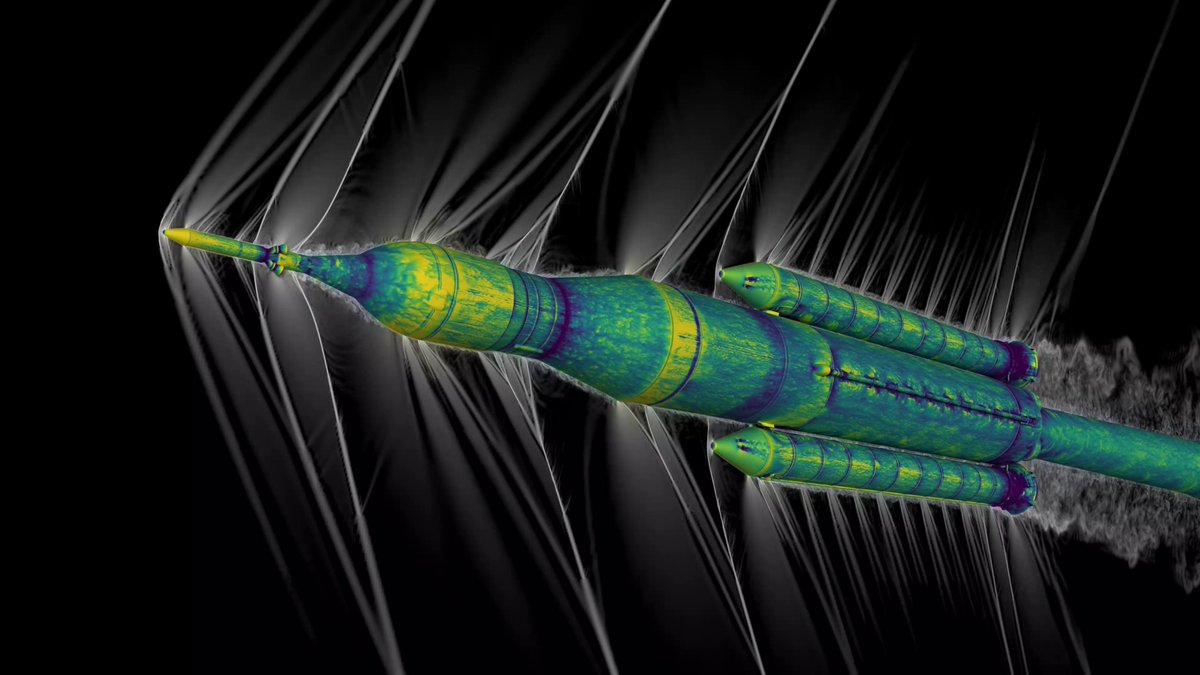
A fresh look at SLS 🚀 We used our supercomputers and wind tunnels here at our Silicon Valley center to simulate airflow the Space Launch System rocket will experience during ascent. Notice anything new? Flanking each booster is a strake to improve the rocket’s airflow and stability. For the Artemis II mission, a pair of these strakes will be added to the core stage of SLS to smooth vibrations. Using supercomputers to visualize this addition helps engineers design stronger and more efficient structures. Learn more:
NASA Ames427,764 次观看 • 11 个月前
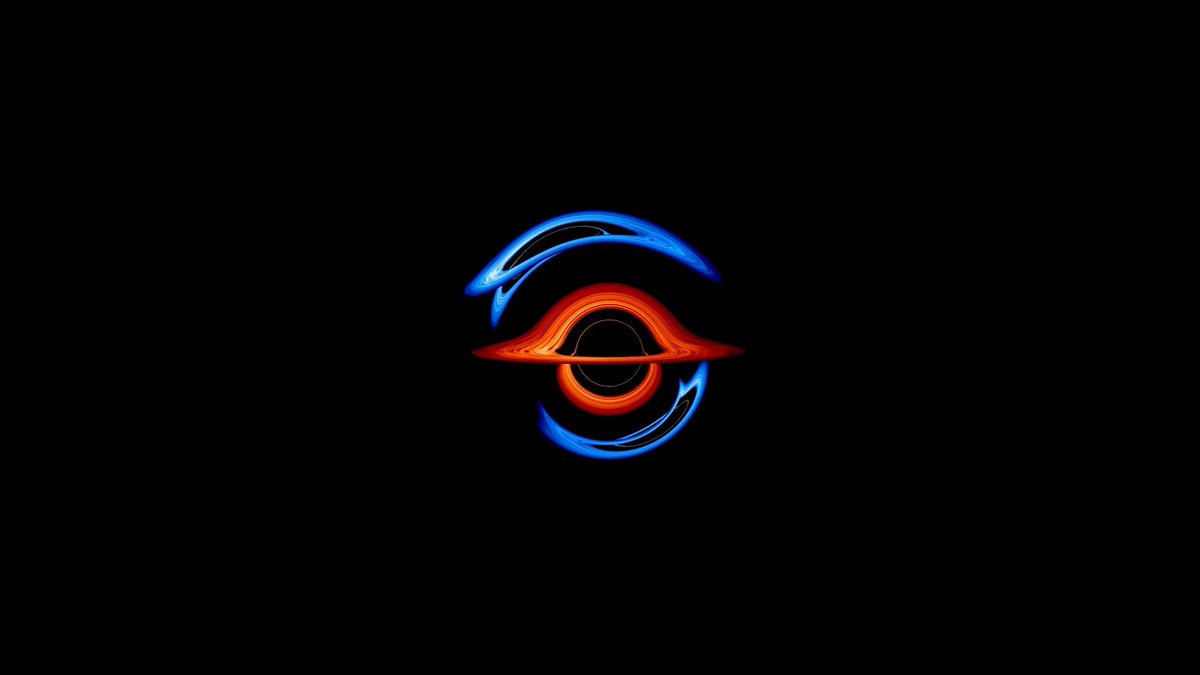
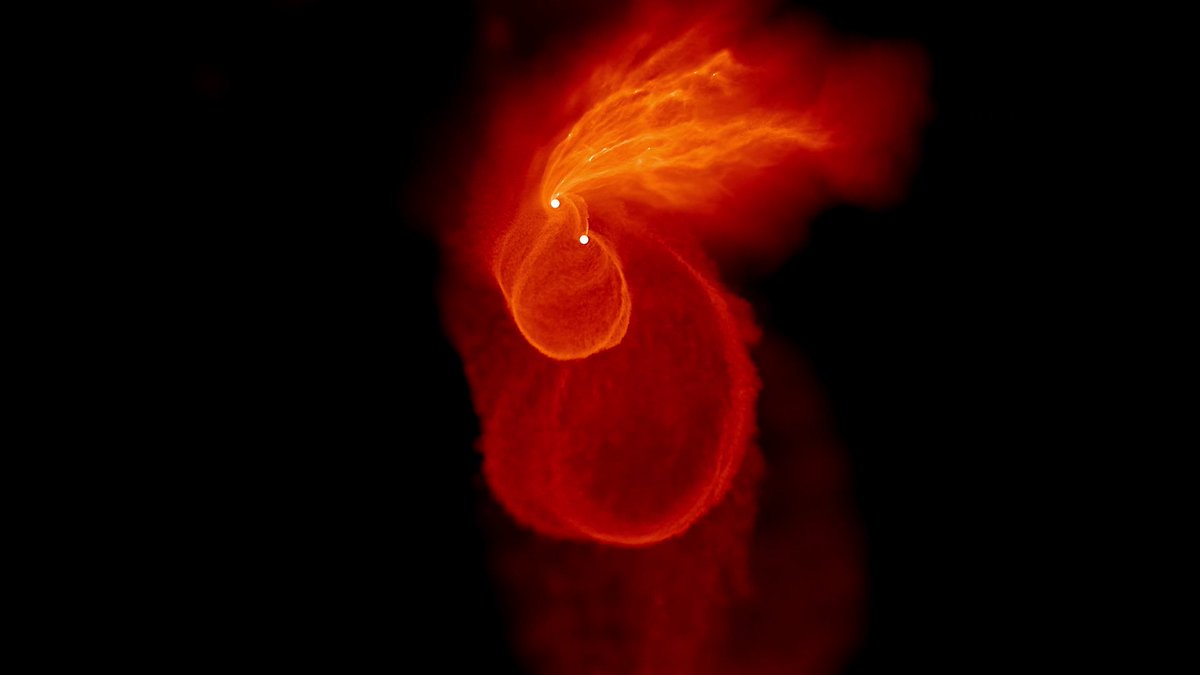
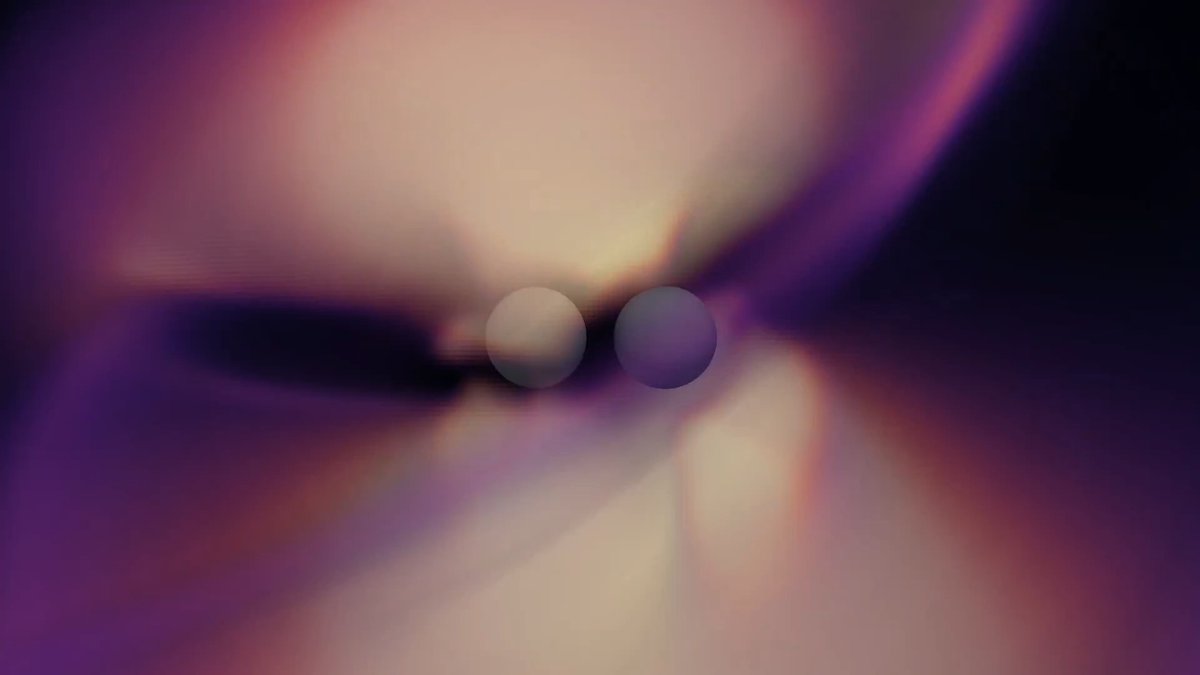
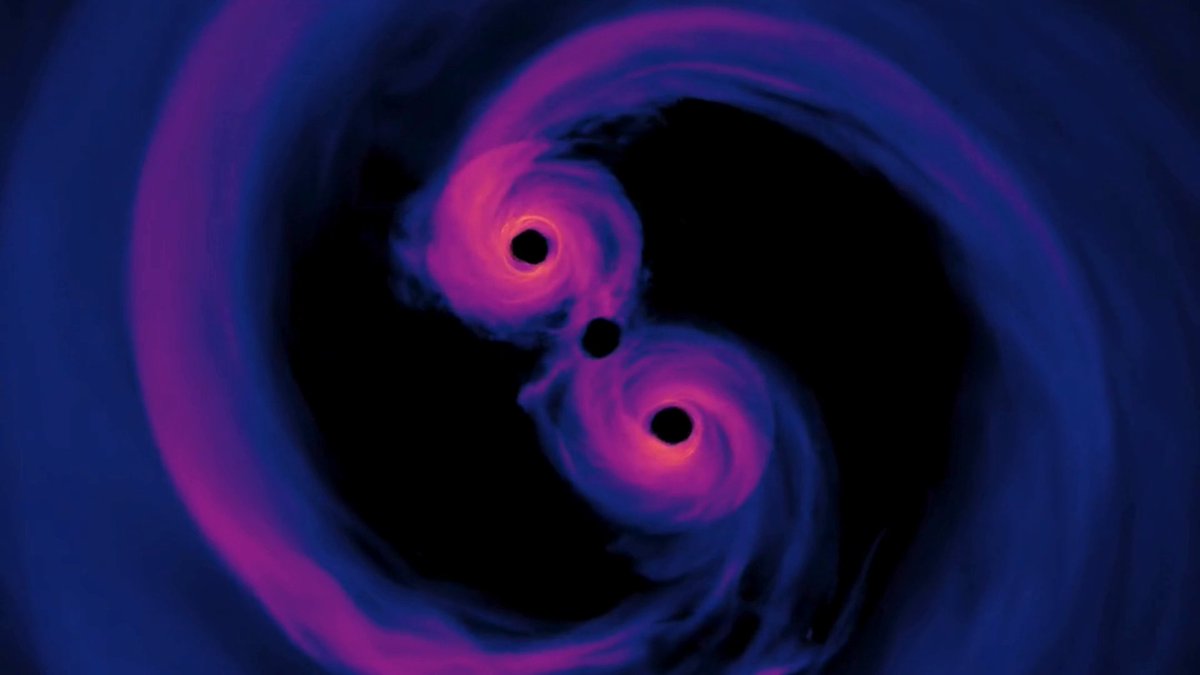
As gravity distorts our view… This simulation shows how the extreme gravity of two orbiting black holes bends and redirects light emanating from the chaotic hot gas surrounding each one. As they pass in front of one another, light weaves through the fabric of space and time.
NASA Ames120,933 次观看 • 4 个月前

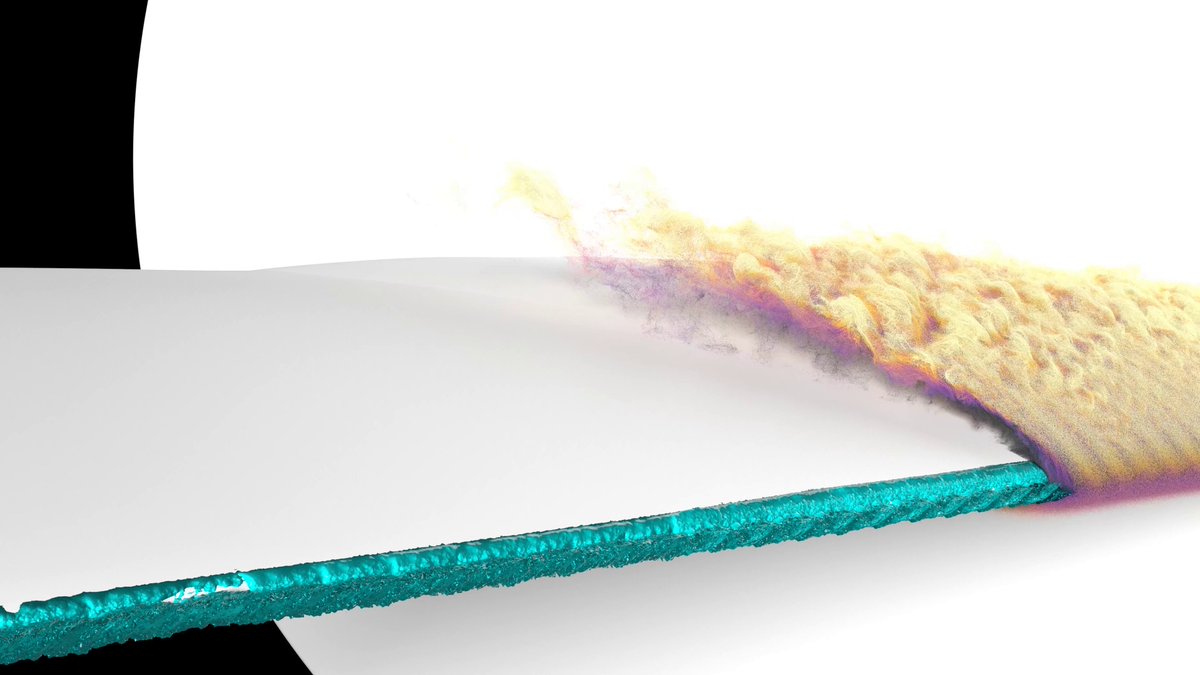
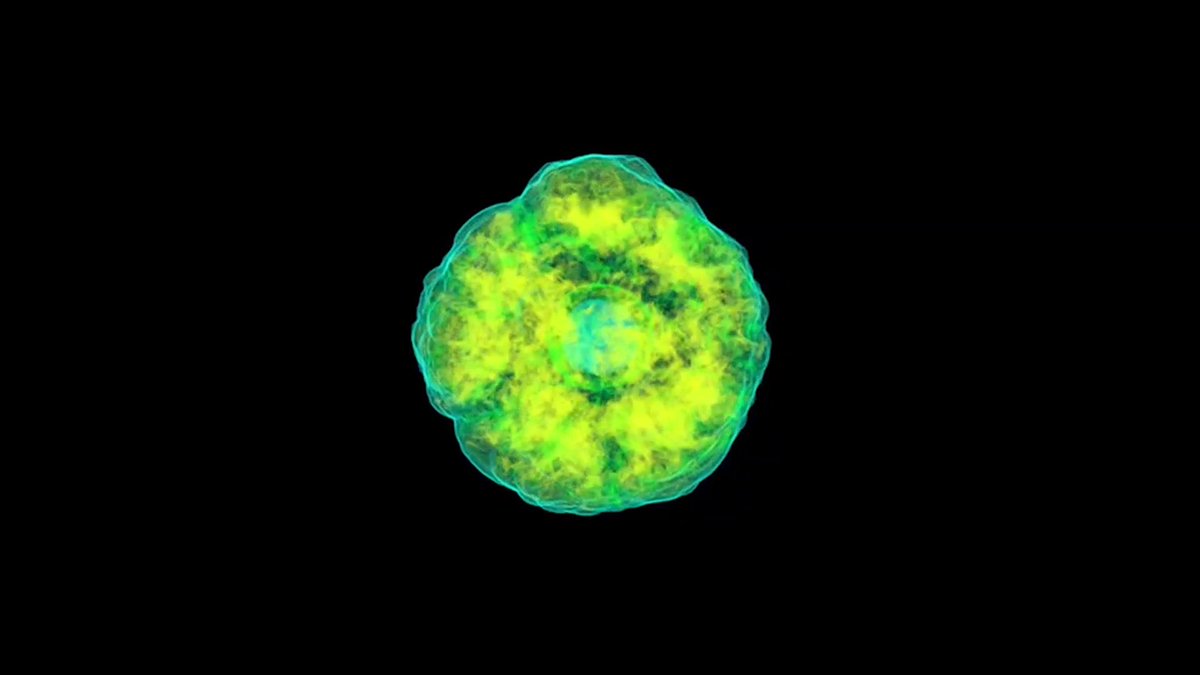
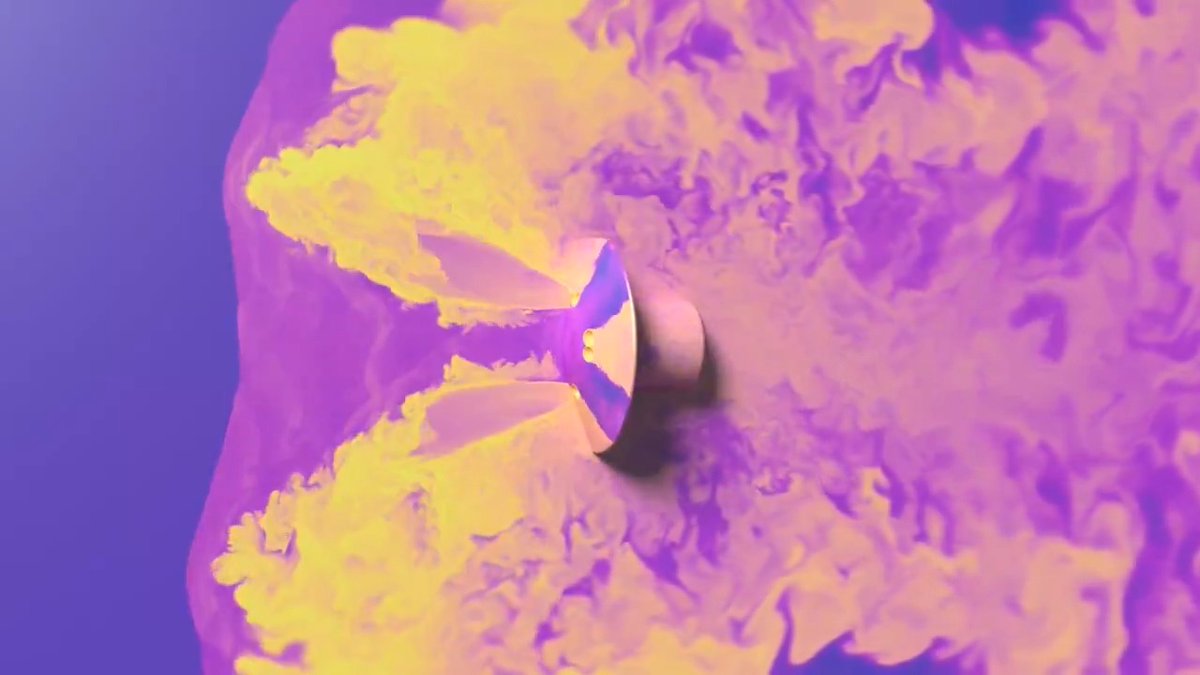
What does a supernova look like? This visualization simulates the first 150 milliseconds of a supernova. As the star collapses in on itself, hot gas emits from its core in uneven shock waves. Researchers use computer simulations like this to more accurately understand the events of a dying star.
NASA Ames49,347 次观看 • 10 个月前

Earth's ocean currents 🌊 This data visualization is showing how the ocean moves water across the planet using data from NASA’s ECCO model, or Estimating the Circulation and Climate of the Ocean. The model pulls data from spacecraft, buoys, and more. Researchers rely on the model output to study ocean dynamics and to track conditions that are crucial for ecosystems and weather patterns. View the complete video here: Credits: NASA’s Scientific Visualization Studio
NASA Ames59,189 次观看 • 1 年前


Tiny particles floating in our air. This visualization shows how tiny particles called aerosols move through Earth's atmosphere from August 1 to September 14, 2024, using NASA's Goddard Earth Observing System (GEOS) model. These particles, which include sea salt, dust, smoke, and sulfates, can travel thousands of miles and affect air quality and visibility far from their original sources. By tracking these movements, NASA helps communities prepare for changes in air quality and visibility while advancing our understanding of Earth's complex atmospheric system. Watch the complete video:
NASA Ames42,556 次观看 • 1 年前


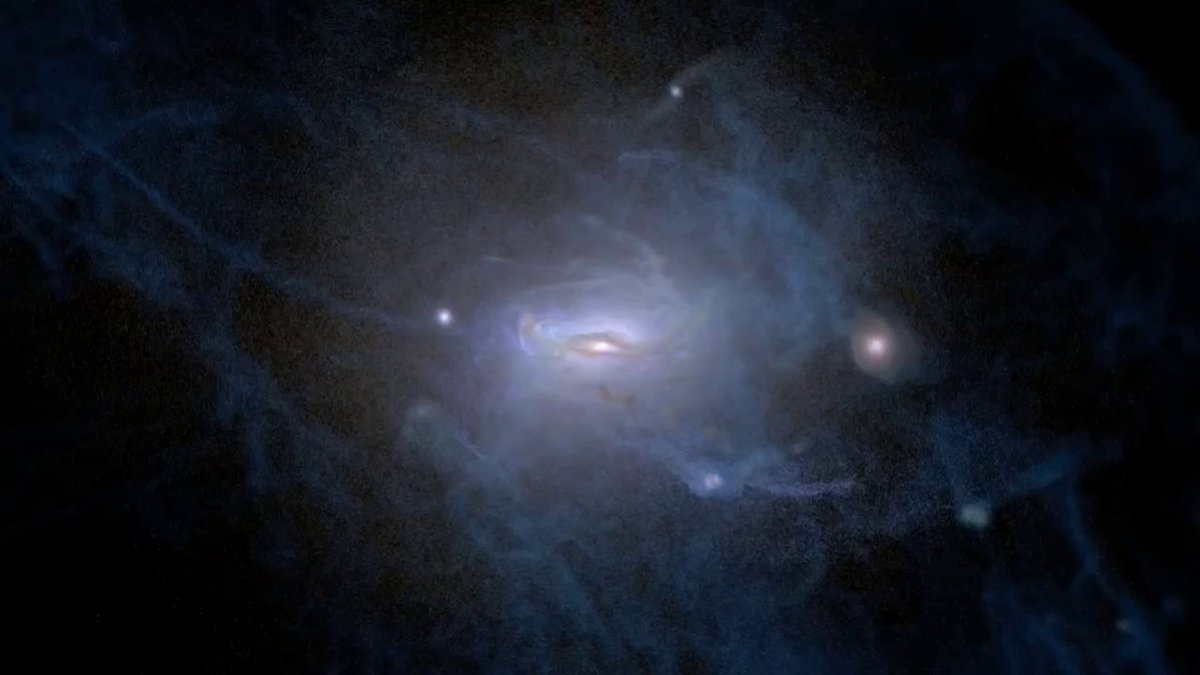
Galaxies merging 🌌 A supercomputer simulation shows many galaxies merging over time. The parts of galaxies we can see are glowing stars forming from gas in their central parts. Visualizations like these inform researchers on a galaxy’s evolution and how gas within one may form.
NASA Ames37,441 次观看 • 1 年前
